glaciation
noun glaciation
ˌɡleɪʃiˈeɪʃn
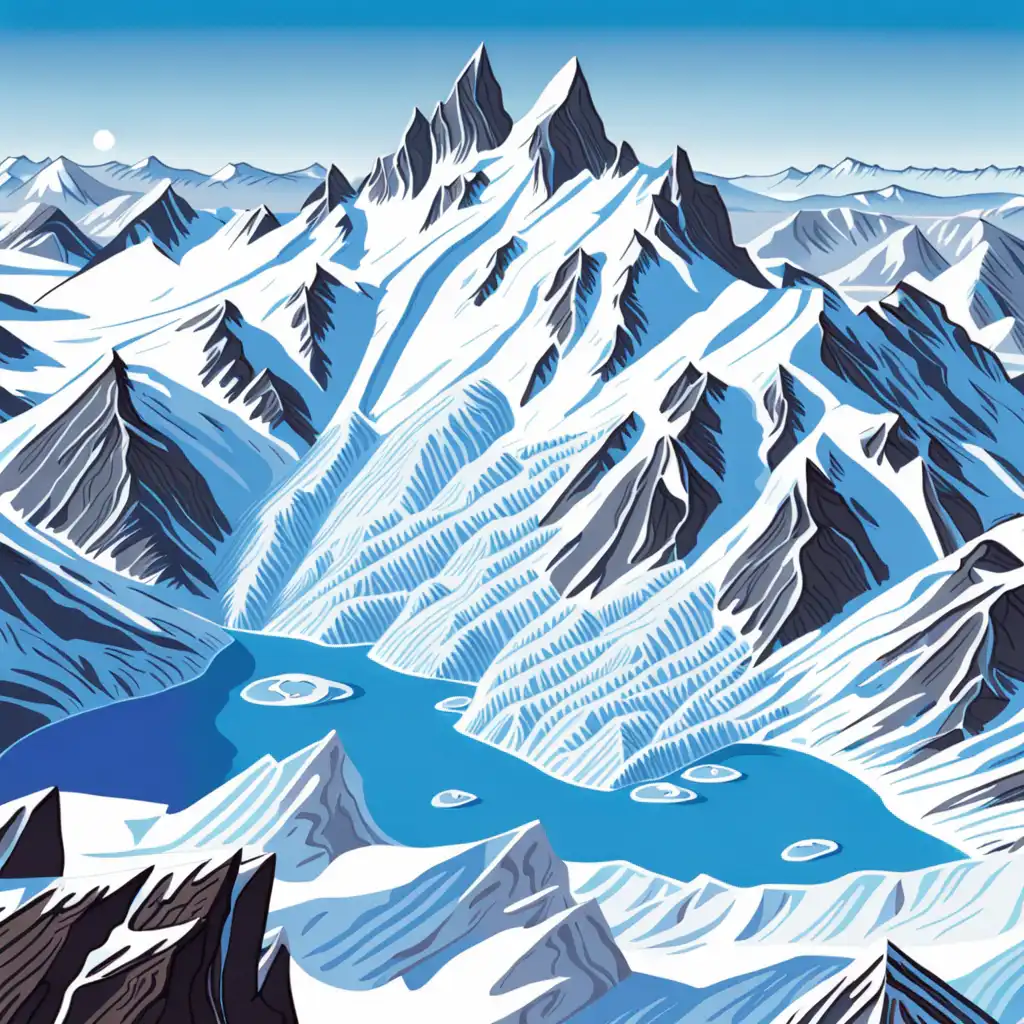
The process, condition, or result of being covered by glaciers or ice sheets.
The Rocky Mountains underwent several phases of glaciation during the last ice age.
glaciation
ˌɡleɪʃiˈeɪʃn
Loading…
ˌɡleɪʃiˈeɪʃn
The process, condition, or result of being covered by glaciers or ice sheets.
The Rocky Mountains underwent several phases of glaciation during the last ice age.
ˌɡleɪʃiˈeɪʃn
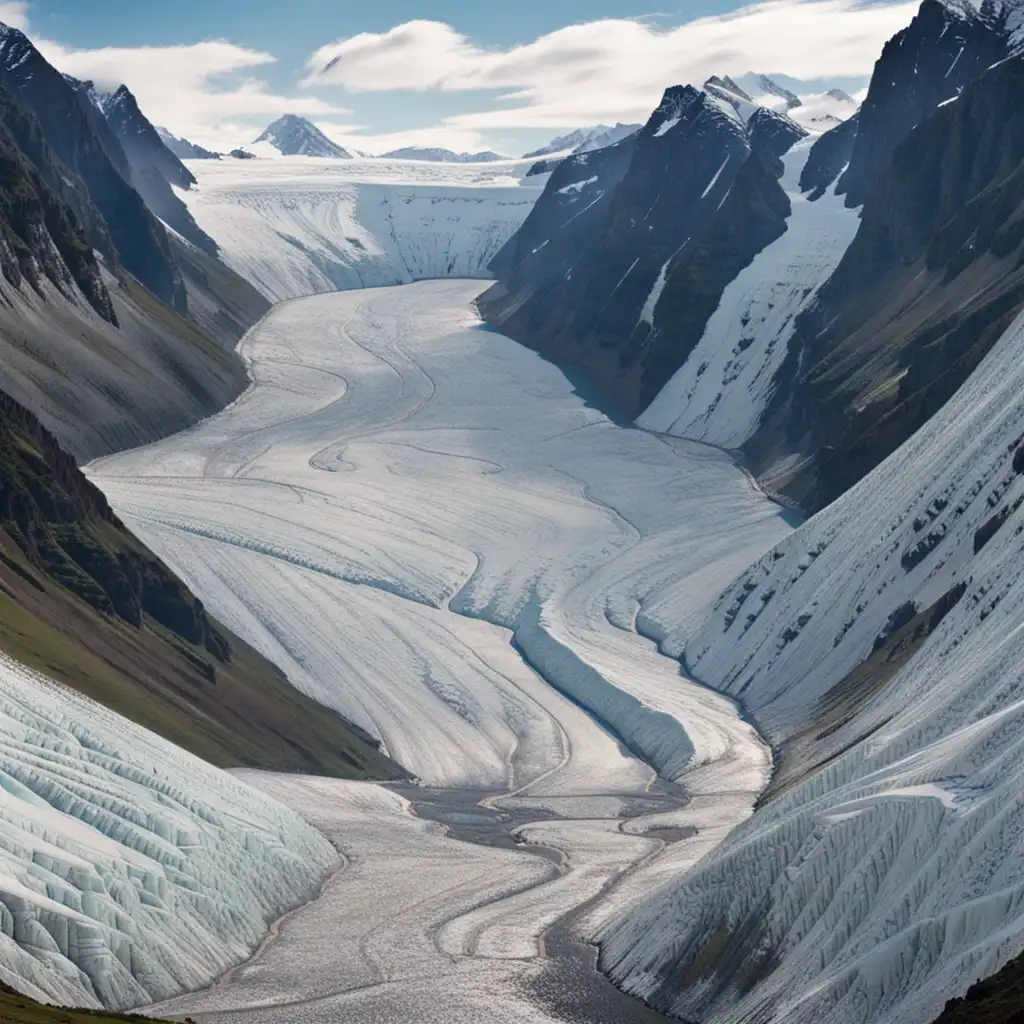
The carving of the Earth’s surface by glaciers.
The U-shaped valleys are the evidence of glaciation in the past.
ˌɡleɪʃiˈeɪʃn
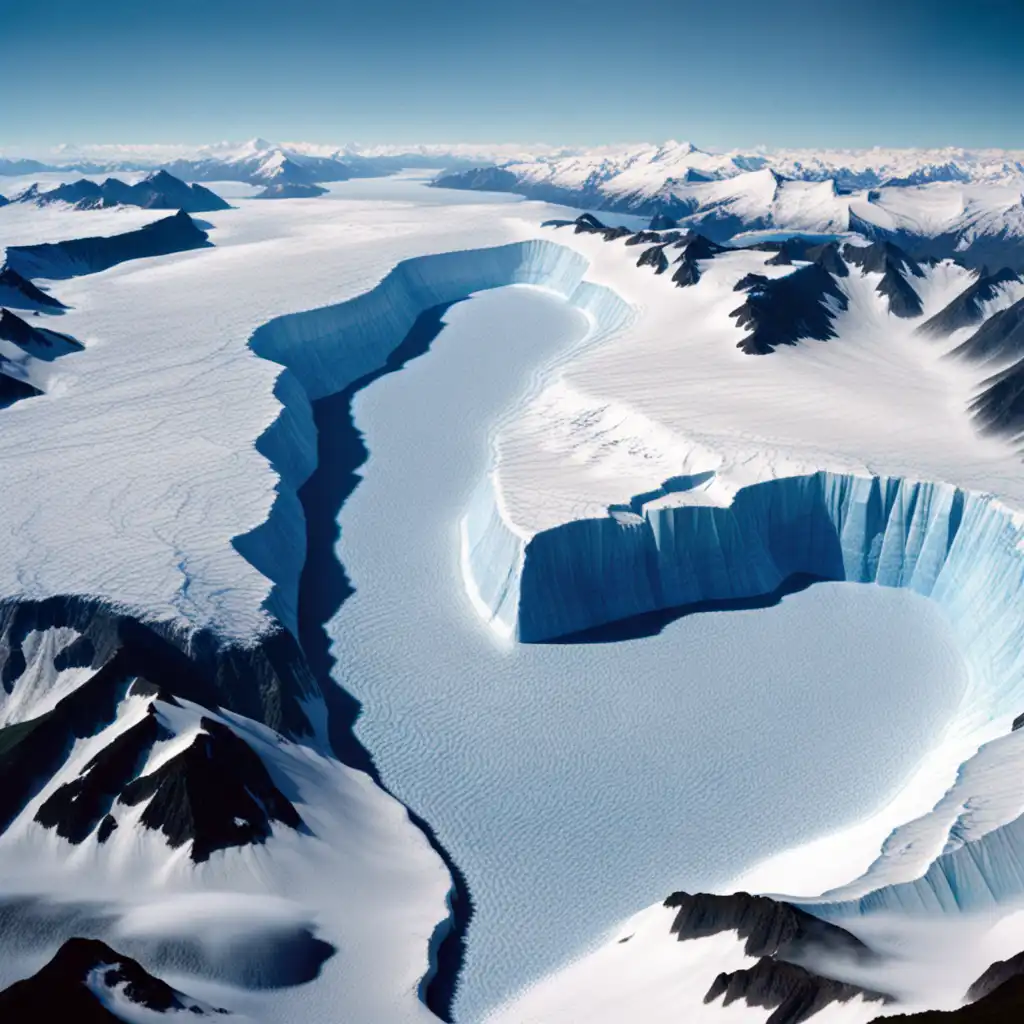
A specific instance or period of glaciers covering huge parts of the Earth's surface.
The last major glaciation ended about 10,000 years ago.
Audio could not be loaded. Please try again later.
The word 'glaciation' describes a period when the Earth was covered in glaciers and ice sheets. This happened during the Ice Age, which was a long time ago. We use this word when we talk about geological history, to describe how the Earth has changed over time. We might also use it to talk about places where there are still glaciers today, like in Antarctica or Greenland.
Freeze means the process of turning a liquid into a solid by lowering the temperature.
It can be used to refer to specific things like freezing water, or more generally as in 'the temperature was below freezing'.
Glaciation refers to the process or event of a large area of land being covered by a glacier. It happens over a much longer period of time than a simple freeze, and requires specific conditions like high altitude, low temperatures, and large amounts of snowfall.
In simpler terms, freeze is when something becomes solid because it got really cold, while glaciation is the long-term process of a giant sheet of ice forming and covering a large area of land.
Open word: Freeze →Earth in Chaos %\PIPE%...
Watch on YouTube ↗