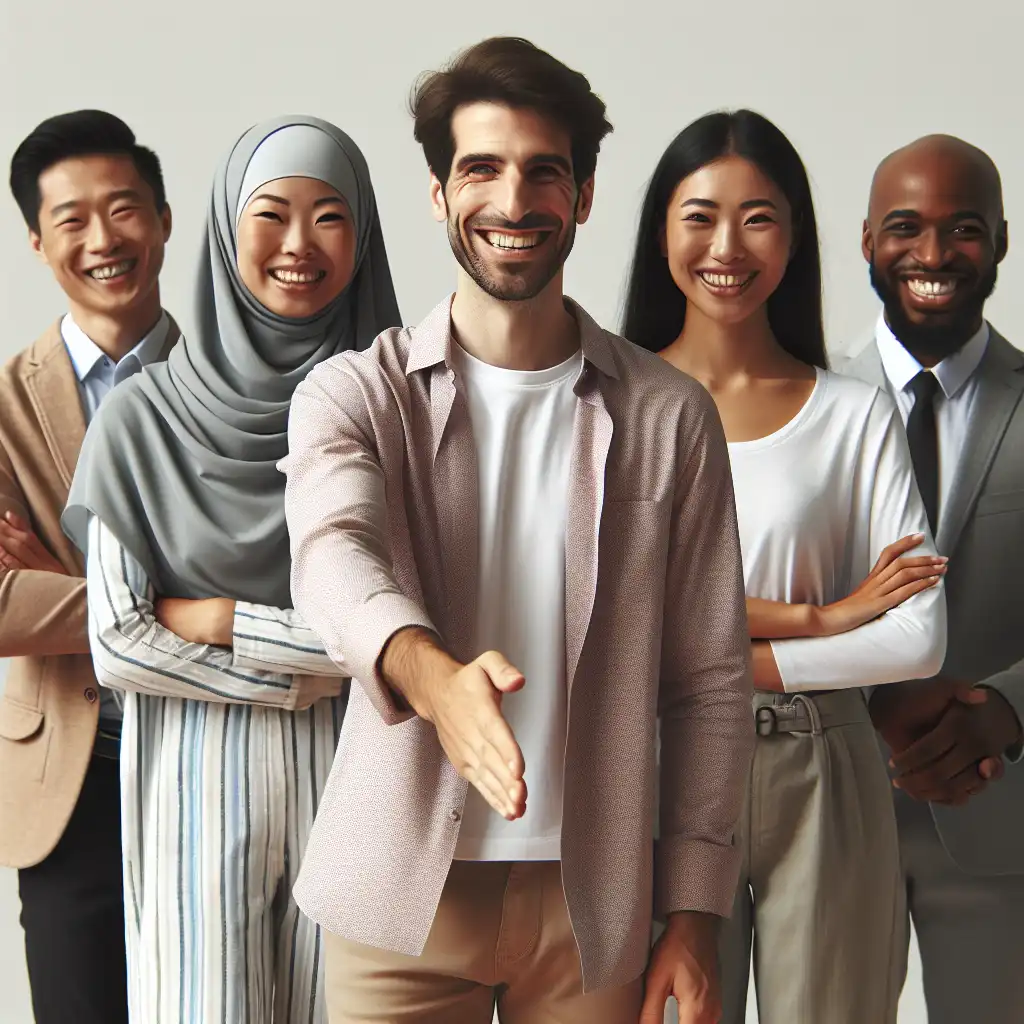
inclusion
noun inclusion
ɪnˈkluːʒn
The act of including someone or something as part of a group, list, etc, or the fact of being included.
The inclusion of her name on the list came as a surprise.
inclusion
ɪnˈkluːʒn
読み込み中…
ɪnˈkluːʒn
The act of including someone or something as part of a group, list, etc, or the fact of being included.
The inclusion of her name on the list came as a surprise.
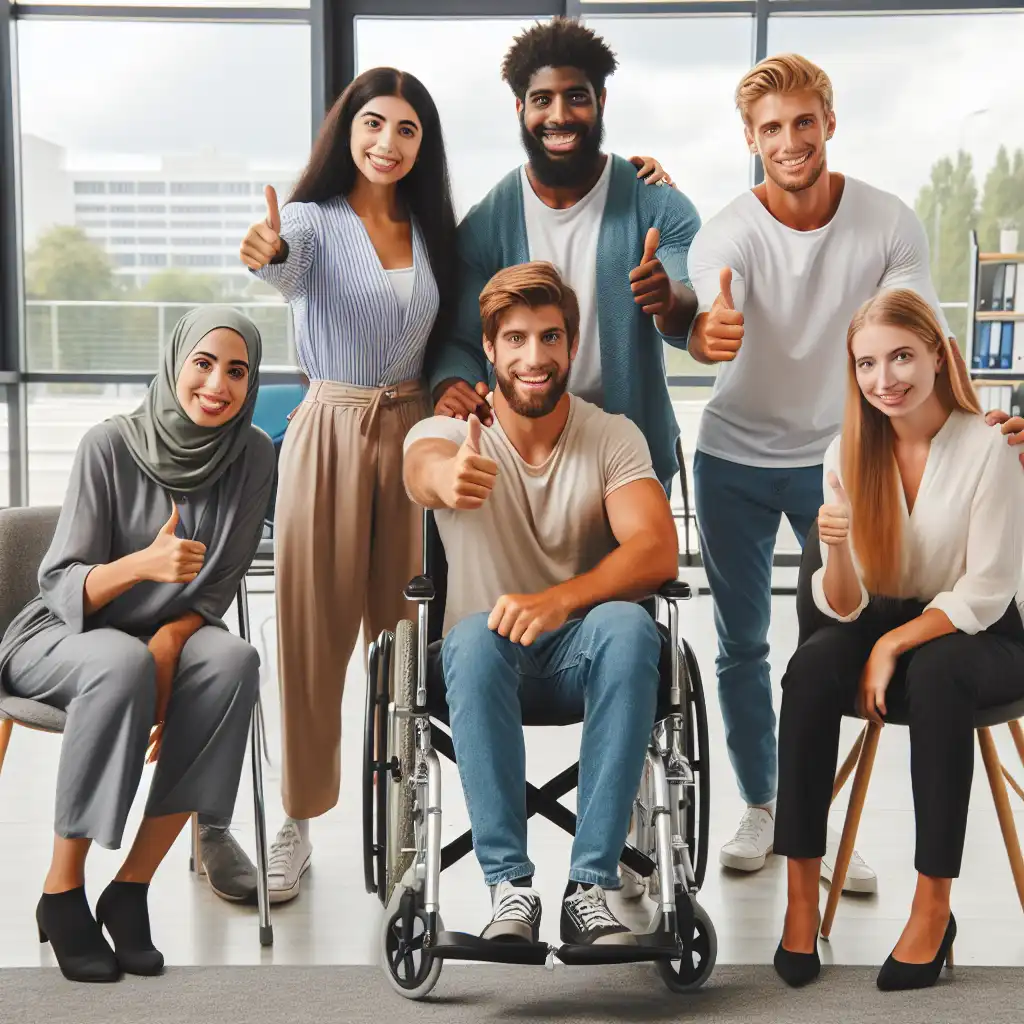
ɪnˈkluːʒn
In business or education settings, it's the practice of giving equal opportunities to people who might otherwise be excluded or marginalized, such as those who have physical or mental disabilities and members of minority groups.
The company is committed to promoting diversity and inclusion.

ɪnˈkluːʒn
In geology, it's a body or particle recognizably distinct from the substance in which it is embedded.
The rock had several small inclusions of a different mineral.

ɪnˈkluːʒn
In law, it's the act of including a term or condition as part of a contract or agreement.
The inclusion of a non-disclosure agreement was a standard part of the contract.
音声を読み込めませんでした。しばらくしてからもう一度お試しください。
Inclusion means making sure that everyone, no matter who they are or what they can do, feels welcome and a part of things. For example, in the classroom, inclusion means making sure all students feel comfortable and included in the learning environment. It's important to use inclusion to make everyone feel valued and respected.
Assimilate means to become like or similar to a group of people or culture. For example, if someone moves to a new country and tries to adopt their customs and way of life, they are assimilating.
While assimilate focuses on conforming, inclusion celebrates diversity. Assimilation is applicable when someone wants to adapt to a new culture, whereas inclusion is more applicable when a diverse group of people interact and work together.
単語を開く: Assimilate →Comprehension means understanding or grasping something mentally. It is applicable in situations where we need to understand or learn something new, like reading a book or listening to a lecture.
To summarise, comprehension is about understanding, while inclusion is about acceptance and integration.
単語を開く: Comprehension →Embrace means to accept and welcome something or someone with open arms or a positive attitude. It is applicable when we want to show warmth and acceptance towards something new, different, or someone outside our usual circle.
単語を開く: Embrace →Enclosure means something that is closed off or surrounded, making it separate from the surrounding area. It is applicable in situations where a physical barrier or boundary is required to keep something inside or to keep something outside.
Examples of enclosures could be a fence, a wall or a box.
Enclosure is about creating a boundary or separation, while inclusion is about bringing something into the fold.
単語を開く: Enclosure →Enrol means to officially sign up or register for a course, activity, or program. It is applicable in situations where you want to join a particular organization, school, or a course.
Enrol is about signing up for a specific activity or program, while inclusion is about making sure everyone is included and accepted in a particular group or society.
単語を開く: Enrol →Incorporate means to take in or include something as part of a larger whole. For example, a bakery may incorporate new recipes into their menu.
単語を開く: Incorporate →Integrate means bringing different parts together into a single whole.
It can refer to ideas, systems, or people. For example, if we're talking about promoting integration between different cultures, that means making sure that people from different cultures work together, share their ideas and learn from each other.
Inclusion is about making sure everyone feels welcome, while integration is about bringing different parts together to work as a whole.
単語を開く: Integrate →Participate means actively engaging in something, like joining a group or taking part in an activity. It's about getting involved and contributing to a larger goal or purpose.
Both words are important, but they are applicable in different ways. Inclusion is about creating a sense of belonging and community, while participation is about actively contributing to that community.
Inclusion is necessary for participation, but participation is not always necessary for inclusion.
単語を開く: Participate →How to foster true...
YouTube で見る ↗I believe in a passion for inclusion.
Continuing the Fight for...
YouTube で見る ↗Women's inclusion in the economy is one of the most important issues in Israel.
Want interstellar...
YouTube で見る ↗I believe it's our responsibility to show our communities the value of all people, to celebrate different, and to take a stand for acceptance and inclusion.
Why Libya's revolution...
YouTube で見る ↗Corporate social responsibility is measured in terms of businesses improving conditions for their employees, shareholders, communities, and environment. But moral responsibility goes further, reflecting the need for corporations to address fundamental ethical issues such as inclusion, dignity, and equality.
Capitalism will eat...
YouTube で見る ↗We need to do a better job of supporting diversity and inclusion within all sectors of our economy, including agriculture.
The danger of hiding who...
YouTube で見る ↗To me, beauty is inclusion - every size, every color - that's the world I live in.
Roxane Gay: Confessions...
YouTube で見る ↗I think the art world heightens the intensity of desires for inclusion, and the humiliations of exclusion, which is why it's a great place to circulate when you are in the lucky position, as I am, of not wanting or needing anything from anyone.
How to get serious about...
YouTube で見る ↗Economic success without accountability and social inclusion is not sustainable, and new governments often must face tough choices in order to protect the poor and vulnerable.
The data behind...
YouTube で見る ↗I feel like we need to be aware of the ways we use and misuse religious dogma: whether it takes us deeper into love and inclusion or it separates us.
A queer vision of love...
YouTube で見る ↗You have a responsibility to make inclusion a daily thought, so we can get rid of the word 'inclusion.