permeability
noun permeability
ˌpɜːrmiəˈbɪləti
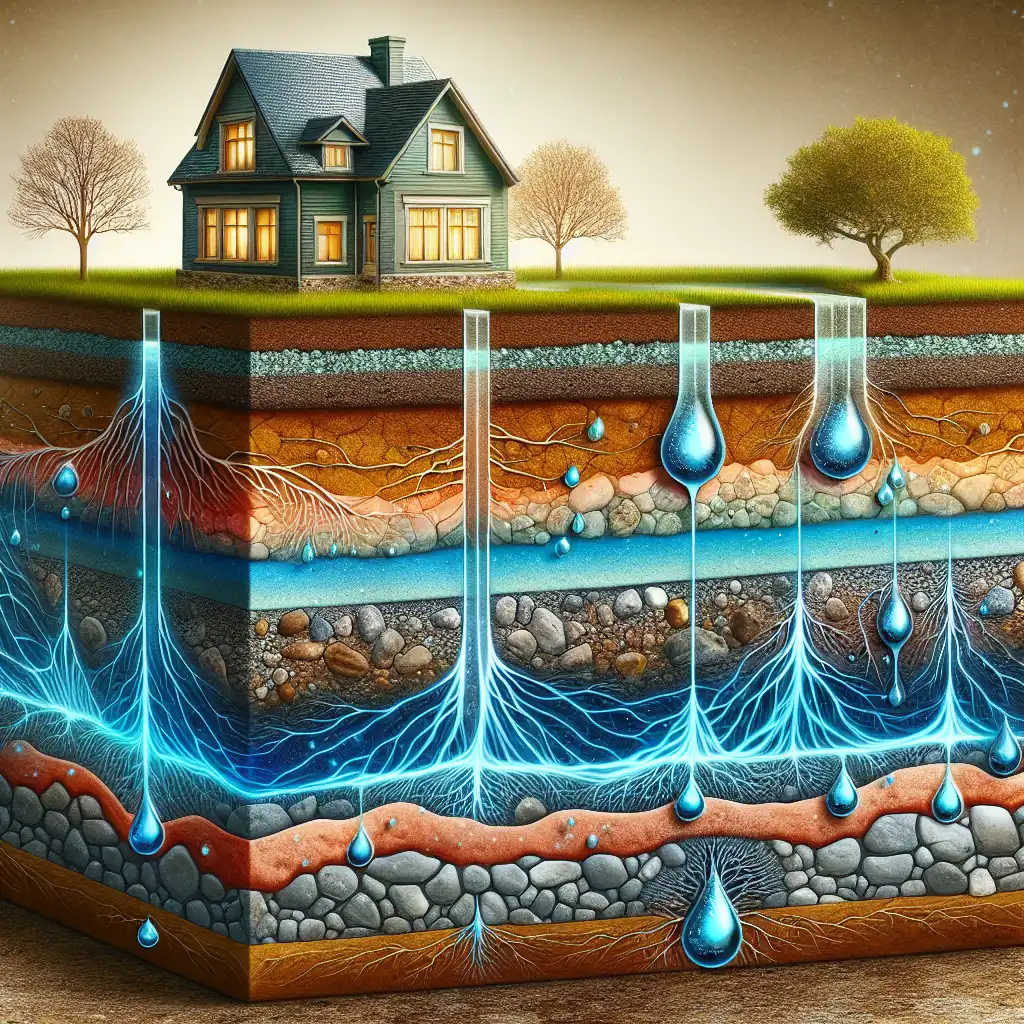
The ability of a material or membrane to allow liquids or gases to pass through it.
The permeability of the soil is tested before building the house.
permeability
ˌpɜːrmiəˈbɪləti
불러오는 중…
ˌpɜːrmiəˈbɪləti
The ability of a material or membrane to allow liquids or gases to pass through it.
The permeability of the soil is tested before building the house.

ˌpɜːrmiəˈbɪləti
In physics, it's the measure of a material's ability to conduct a magnetic field.
The permeability of the iron core is higher than that of the air.
ˌpɜːrmiəˈbɪləti
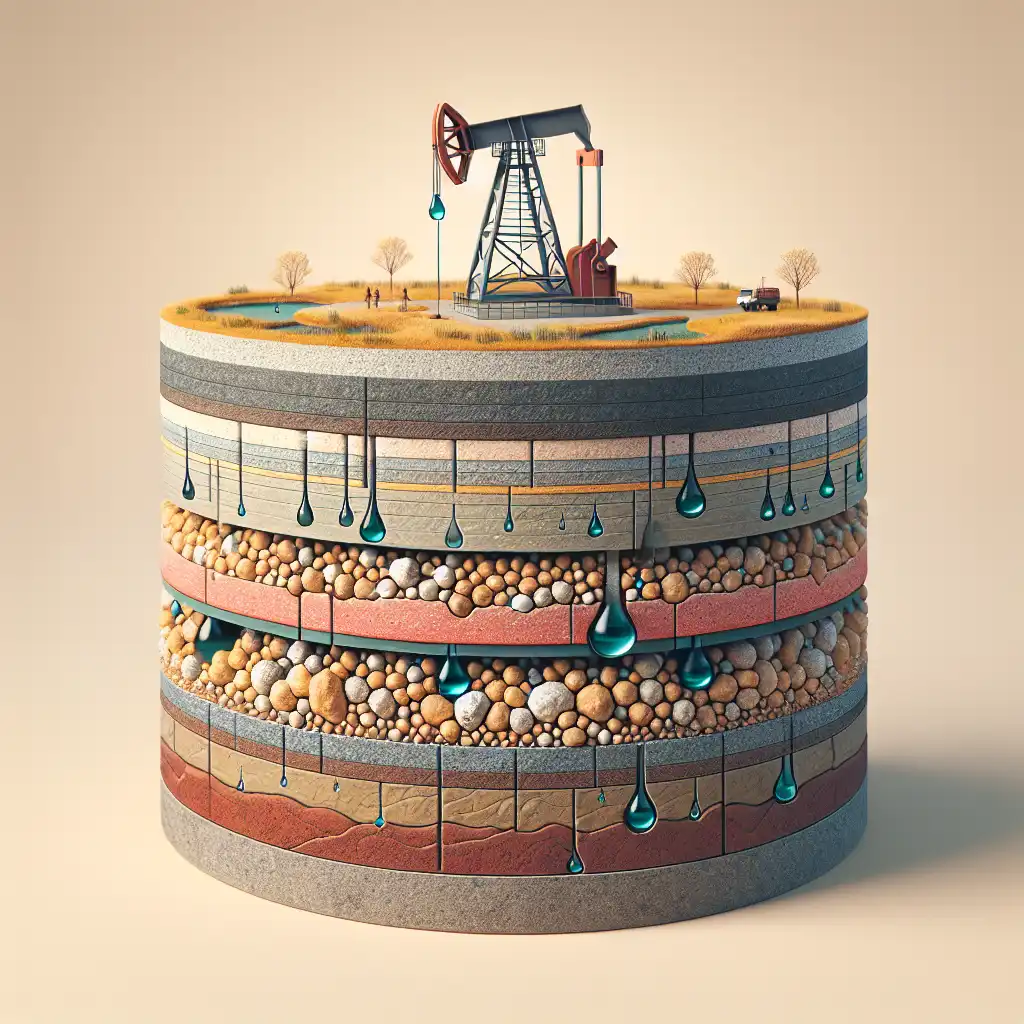
In geology, it's the measure of the ability of a rock or sediment to transmit fluids.
The permeability of the shale layers is crucial for oil extraction.

ˌpɜːrmiəˈbɪləti
In biology, it's the property of a cell's membrane to allow substances to pass in and out.
The cell's permeability can be affected by temperature changes.

ˌpɜːrmiəˈbɪləti
In medicine, it's the quality of a blood vessel's wall to allow substances or fluids to pass into and out of the blood.
The permeability of blood vessels is studied in relation to various diseases.
오디오를 불러오지 못했어요. 잠시 후 다시 시도해 주세요.
Permeability refers to the ability of a substance or material to allow other things to pass through it. For example, the walls of a balloon are permeable to air because air can pass through them easily. In science, permeability is often used to describe how easily liquids or gases can move through soil or rocks. In the context of clothing, permeability may refer to air or water getting through a fabric. Knowing the permeability of a material is important for understanding how it behaves in different situations.
Absorbency refers to the ability of a material to soak up a liquid or gas into its own structure, whereas permeability refers to the ability of a material to allow fluids or gases to pass through it.
Absorbency is applicable in situations where a material, such as a sponge or paper towel, is meant to actively take in or hold onto a substance, such as water or oil.
단어 열기: Absorbency →Infiltrate means to enter or penetrate a place or group slowly, secretly and often with harmful intentions.
It is generally used to describe a negative or malicious action, such as when an enemy army infiltrates a fortress.
Infiltrate usually refers to a deliberate, often harmful action of entering a group or place, whereas permeability is a more general term describing the ability of a material to let substances pass through it.
단어 열기: Infiltrate →Passage refers to the act of passing through something, such as a passage in a book or a passage through a tunnel. Permeability refers to the ability of a substance or material to allow other substances to pass through it, such as a membrane's permeability to water or air.
Passage is applicable to describing movement through a particular space or medium. Permeability is applicable to materials and substances and describes how easily they allow other substances to pass through them.
단어 열기: Passage →Porosity is the measure of how much open space exists in a material or substance. It usually refers to the amount of empty space within a solid substance, like rocks, soil or concrete.
Porosity is applicable when discussing things like the potential for liquid retention, filtering or storing gas. Permeability is applicable when discussing things like filtration, groundwater movement or diffusion.
단어 열기: Porosity →For the Love of Jaguars...
YouTube에서 보기 ↗There is an odd mix of permeability and impermeability in the Net. You won't be able to communicate with everyone, and not every application will be accessible to everyone.
Edward Snowden, who worked for Booz Allen Hamilton, professes to have had access to whatever he wanted to know about anyone's anything. If he's telling the truth, why does he have such permeability without any government oversight? Is that OK with you?