
progenitor
noun progenitor
prəʊˈdʒenɪtər
A person or thing from which a person, animal, or plant is developed.
He could be considered a progenitor of modern chemistry.
progenitor
prəʊˈdʒenɪtər
Loading…
prəʊˈdʒenɪtər
A person or thing from which a person, animal, or plant is developed.
He could be considered a progenitor of modern chemistry.
prəʊˈdʒenɪtər
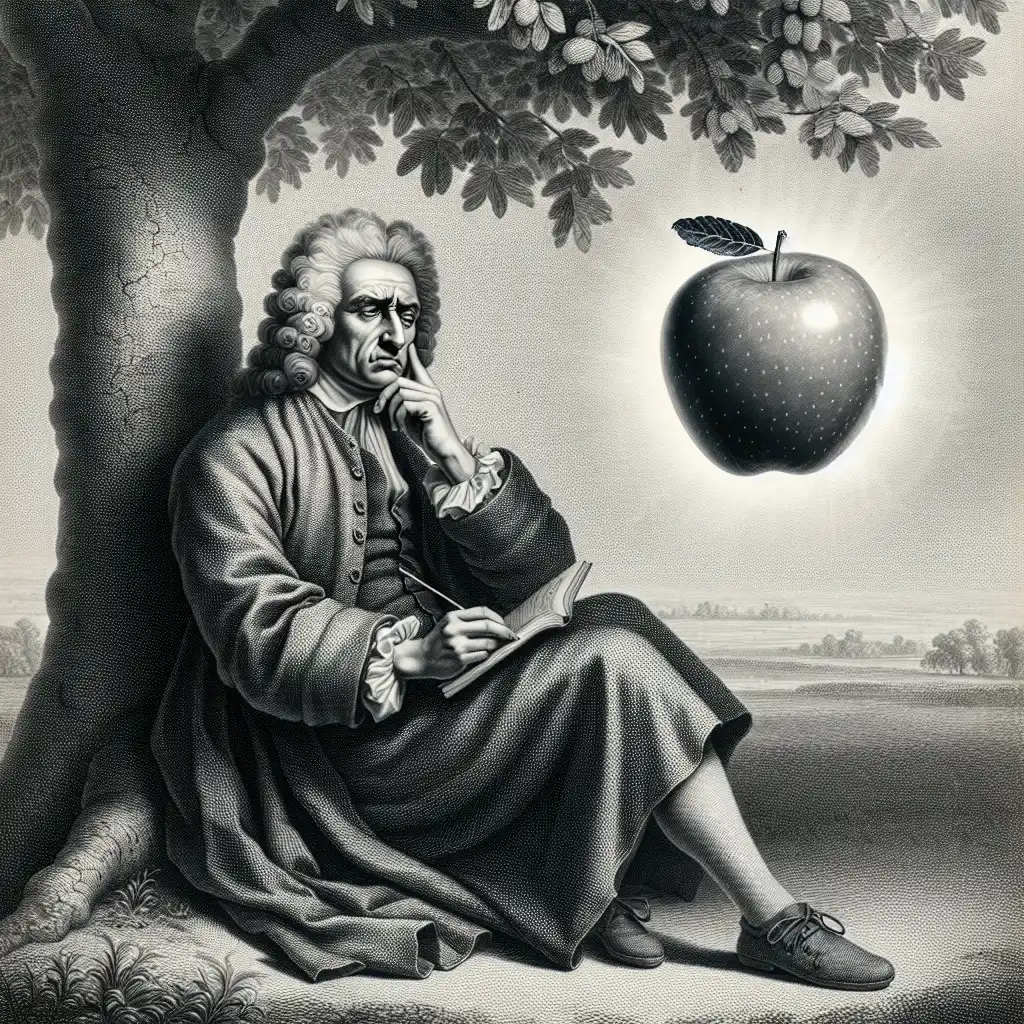
A person who first thinks of something and causes it to happen.
Isaac Newton is the progenitor of classical mechanics.

prəʊˈdʒenɪtər
An action, process, or design serving as a model for later stages.
The progenitor of this design was an ancient Egyptian pyramid.

prəʊˈdʒenɪtər
An original model on which something is patterned.
This statue is the progenitor of all the copies you will find in the city.
Audio could not be loaded. Please try again later.
The word 'progenitor' refers to a person, animal or plant that is the ancestor or predecessor of something. It is often used in a scientific or historical context to refer to the origin or starting point of something. For example, we might say that a particular species of bird is the progenitor of all modern birds, or that a famous scientist is the progenitor of a new field of study. It is a somewhat formal and technical word, so it may not be used in everyday conversation.
An ancestor is a person or animal from whom one is descended or originates from. Ancestors refer to those who came before you in your family tree.
Progenitor refers to the originator or initial founder of something or the direct ancestor of a person or animal. It is applicable in a broader sense such as the progenitor of a particular species or idea.
In simplified terms, ancestors are those who came before you in your family, whereas progenitors can be any initial pioneer or originator of something.
Open word: Ancestor →Forebear refers to a person from an earlier time who is part of your family, such as your grandparents, great-grandparents, and so on.
While both words refer to a person or thing that came before you, forebear is used specifically in reference to your family history and ancestry, while progenitor is used more broadly to refer to any sort of origin or source.
Open word: Forebear →Forefather means a male ancestor in your family who lived a long time ago. For example, your great-grandfather or great-great-grandfather.
Forefather pertains to a direct ancestor in one's family line while progenitor refers to someone who started or created something.
Open word: Forefather →Founder generally refers to someone who establishes or creates something, like a company, organization or school. For instance, Steve Jobs was the founder of Apple.
So, while both words refer to someone who has played a significant role in the beginnings of something, founder is more commonly used in a business or entrepreneurship context, while progenitor is more commonly used in a scientific or historical context.
Open word: Founder →The words originator and progenitor both refer to someone or something that is responsible for the existence or creation of something else.
Originator refers to the person or thing that first came up with an idea, concept or creation. For example, the originator of the telephone is Alexander Graham Bell.
In simpler terms, originator refers to the person who came up with something for the first time, while progenitor refers to the person or thing that is the ancestor or starting point of something else.
Open word: Originator →Patriarch refers to the head of a family or tribe who is usually male and holds significant power and authority.
In essence, patriarch describes a leader or respected elder within a community, while progenitor describes the origin or beginning of a particular lineage.
Open word: Patriarch →Precursor refers to something that came before and helped to create or lead to something else.
For example, a scientific breakthrough may be considered a precursor to a new technology. In contrast, an animal that is the direct ancestor of another species would be a progenitor.
Precursor describes something that came before and influenced something else, while progenitor describes something that is the direct ancestor of another thing.
Open word: Precursor →Predecessor and progenitor are related to ancestry or lineage but have slightly different meanings.
A predecessor is someone who held a certain position before the current person.
It can refer to any type of position or job, such as a former president, CEO, or teacher. For example, Barack Obama was the predecessor of Donald Trump as the President of the United States.
Predecessor refers to someone who held a position before, while progenitor refers to an ancestor who is the originator or creator of something.
Open word: Predecessor →Wade Davis: The...
Watch on YouTube ↗What you would call a 'lead,' I've always considered a supporting part, and what people would call 'supporting parts,' I've considered leads. In a way, I look at it in reverse, because supporting parts - when they're done correctly - are the ones that are progenitors for storylines, to move forward.
Could your brain repair...
Watch on YouTube ↗I'm 100% Celt. In fact, I'm directly related to the progenitor of the high kings of Ireland, Niall of the Nine Hostages.
The divergence of songs in the new population away from those in the progenitor population would only be prevented if these processes were balanced by repeated immigration and subsequent breeding: song flow.
The god, it would appear, was frequently thought of as the physical progenitor or first father of his people.
Rodney King is a progenitor of all these cell phone videos that we have. It was unusual that a person had a video camera to take a picture of the Rodney King beating. Now, of course, everybody has a phone, and that has been one of the key factors in all the new attention to the issue.
General Atomics, the progenitor of General Atomics Aeronautical Systems, started life in 1955 when a major military contractor, General Dynamics, feared that the military hardware market might dry up. It began exploring peacetime uses of atomic energy, but abandoned the effort when cold-war military spending took off.
If we are to have faith that mankind will survive and thrive on the face of the earth, we must believe that each succeeding generation will be wiser than its progenitors.
Homo Sapiens is a frontier creature. It is what we do; it defines what we are. This has been true from our very beginnings. It is the core reason our progenitors wandered forth from the first primordial valleys in search of more room, better hunting, or more fertile soil.