
bide
verb bide
baɪd
To remain or stay somewhere
He decided to bide in the town for a few more days.
bide
baɪd
불러오는 중…
baɪd
To remain or stay somewhere
He decided to bide in the town for a few more days.
baɪd
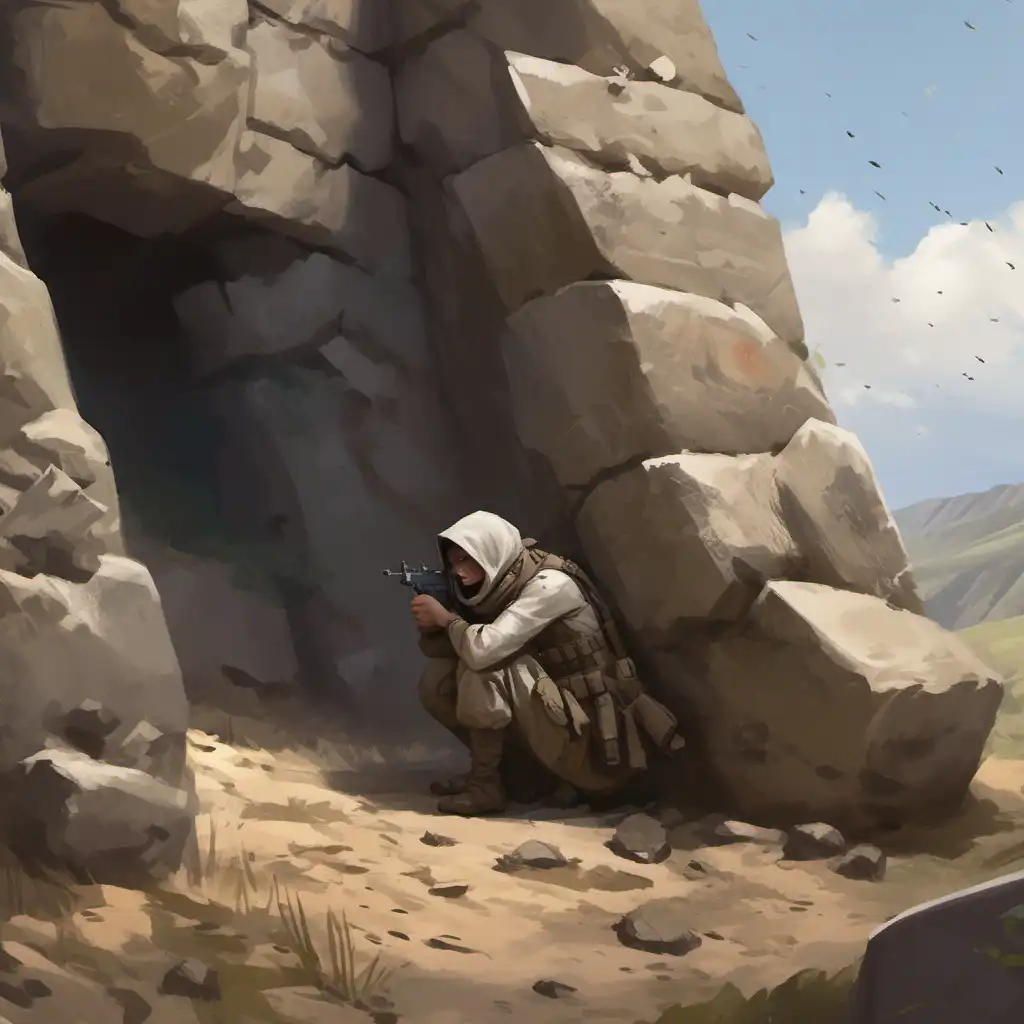
To wait patiently for the perfect moment or opportunity
You must bide your time and then attack when the enemy is weakest.
baɪd
To endure or tolerate a situation or person
I cannot bide his rudeness any longer.
오디오를 불러오지 못했어요. 잠시 후 다시 시도해 주세요.
'Bide' is a verb that means to wait or stay in a particular place for someone or something. You can use it in different situations, such as waiting for a friend to arrive or waiting for a package to be delivered. For example, "I'll bide here until my friend arrives" or "I'll bide my time until the right opportunity comes."
The main difference between abide and bide is that abide means to stay or endure for a long time, while bide means to wait or remain in a certain place or condition.
Abide is commonly used in the context of following rules, laws, or traditions. For example, "We must abide by the laws of our country.".
It can also refer to an enduring feeling or relationship, such as "Our friendship has abided for many years."
Abide is about endurance or following rules, while bide is about waiting or enduring a difficult situation.
단어 열기: Abide →Endure means to continue to exist or suffer through a difficult or unpleasant situation. It is applicable in situations where one needs to show strength and resilience in the face of adversity.
Example: She endured the pain and managed to complete the marathon despite her injuries.
단어 열기: Endure →The words bide and hold on both relate to waiting, but they are used in slightly different situations.
Bide means to wait patiently, but usually for a longer period of time. For example, you might say "I will bide my time until I am ready to make a move." This implies that it will take some time before anything happens, but you are willing to wait.
Hold on means to wait for just a moment, or to pause briefly before continuing with what you were doing. For example, you might say "Hold on, let me find my keys before we leave." This implies that you need a brief pause, but are otherwise ready to continue.
Bide is used when you need to wait patiently for a longer period of time, while hold on is used when you just need a brief pause before continuing.
단어 열기: Hold on →Linger means to stay somewhere longer than necessary or expected, often because you enjoy it or because you don't want to leave.
It is a more casual and modern term. For example, you might say "I lingered in the park, enjoying the sunshine," or "The scent of the roses made me want to linger in the garden.".
Bide refers to waiting for a specific time or event while linger refers to staying somewhere longer than needed because it's enjoyable.
단어 열기: Linger →Remain means to continue to stay in a particular place, without any specific purpose or reason.
Bide is applicable when waiting for something specific to happen, while remain is applicable when staying in a place without any particular purpose or reason.
단어 열기: Remain →Stay also means to remain in a particular place or situation, but it does not necessarily imply waiting for something to happen.
For example, "I will stay at my friend's house tonight."
Bide is used when waiting or enduring in expectation of something, while stay is used more generally to describe remaining in a certain place or situation.
단어 열기: Stay →Both bide and tarry mean to wait or stay in a place for a period of time.
Tarry is more commonly used in American English and means to delay or linger before starting or continuing a journey.
For example, "We will tarry for a while before we begin our hike."
Thus, bide is more appropriate when you are waiting for a specific thing to happen or waiting for a time to come, while tarry is more appropriate when you are delaying to begin or continue a journey.
단어 열기: Tarry →Wait means to stay in one place or remain inactive until something happens or someone arrives. For example, you wait for a friend at a coffee shop.
Bide means to wait patiently for the right time or circumstance to do something. For example, if you are biding your time for a promotion at work, you are waiting for the right opportunity to come along.
Wait is used when you are simply waiting for something, whereas bide is used when you are waiting for a specific moment or event to happen before taking action.
단어 열기: Wait →The whales simply bide their time.
YouTube에서 보기 ↗As a young actor, I was advised to bide my time. Back then, there weren't good roles for someone like me. There were handsome leading men and character actors for smaller supporting roles. But I was told to hang in there, and it was good advice. We're all character actors now. Even a handsome man is a character actor at my age.
okay we're gonna sleep he's not going to sleep he is actually this is this is Hassan as hunting technique it's the hunting technique of most leopards walk to us see something and they lie down and they just wait and they bide their time and they rely upon their camouflage
YouTube에서 보기 ↗The anger of a person who is strong, can always bide its time.
I have to bide my time, train well and still play well at club level and whenever my time comes to be more of a regular... but I'm just getting on with it. If I play, I play; if I don't, I don't, but then I will work harder to try get into the team.
I've learned when to speak out. You do have to learn when to bide your time and when to speak out, and I don't always get it right.
You have to be patient and bide your time and hopefully your chance will come.
I started lower down the leagues with Coventry, so I'd had that taste of first-team action at a young age. I'd already played 40 or 50 games before moving on, and when I got to Norwich, I had to bide my time at the start.