fastener
noun fastener
ˈfæsnər
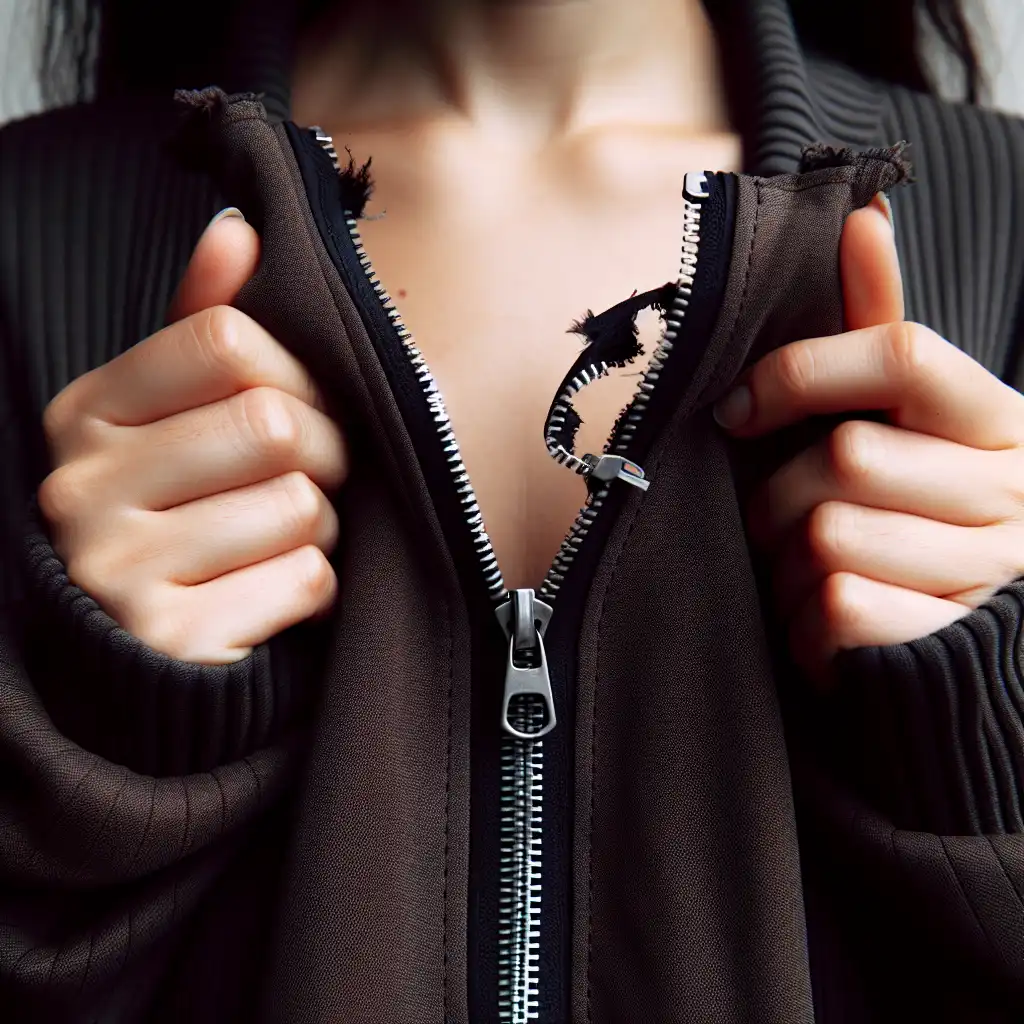
A device, like a button or zip, that is used to securely close or connect something.
The fastener on my jacket broke, so I can't zip it up.
fastener
ˈfæsnər
Chargement…
ˈfæsnər
A device, like a button or zip, that is used to securely close or connect something.
The fastener on my jacket broke, so I can't zip it up.
ˈfæsnər
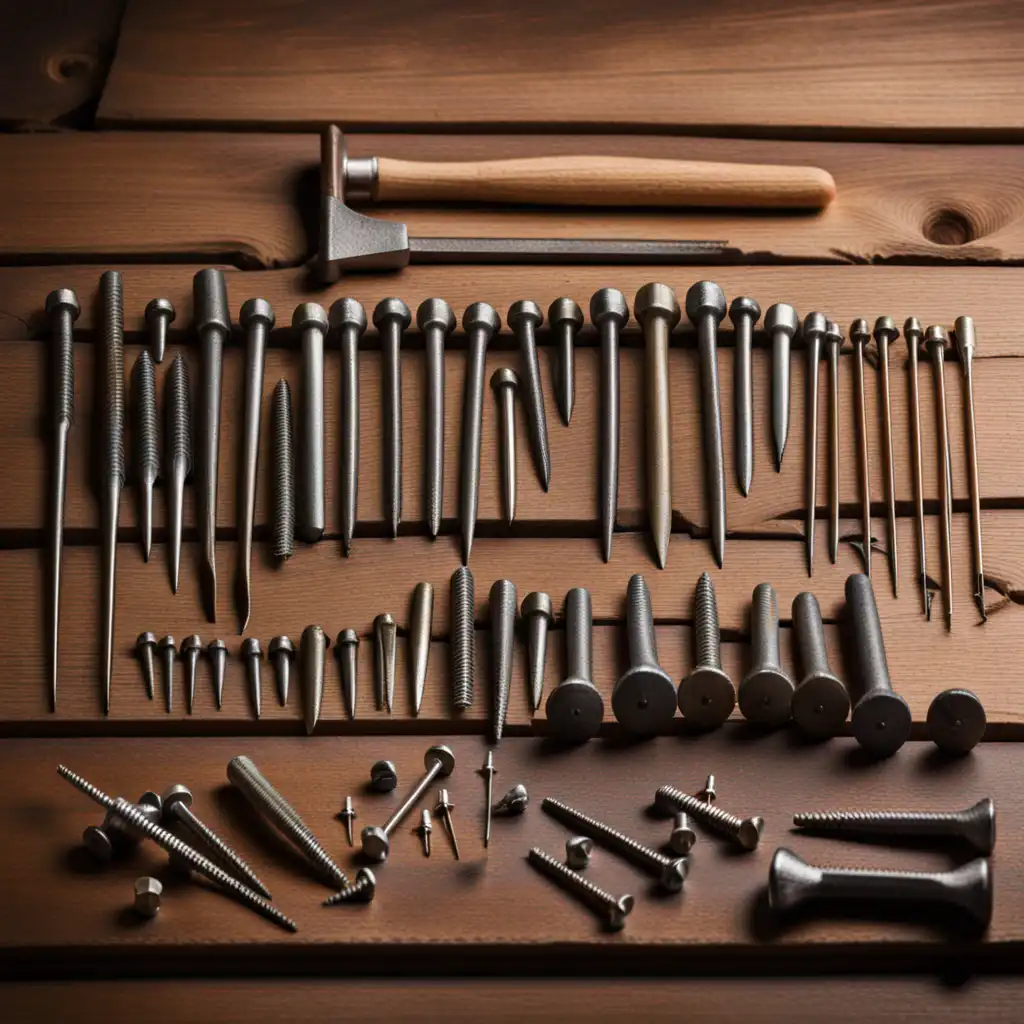
A piece of hardware, like a nail or screw, that is used in construction to hold objects together.
We need more fasteners to secure the wooden planks together.

ˈfæsnər
An electronic tool used in computer science to hold or manage digital data.
You'll need a binary fastener to secure the bits of data.
Impossible de charger l’audio. Réessayez plus tard.
Fasteners are often used to connect or secure two or more objects together. They are commonly found in construction or DIY projects, as well as in the manufacturing of products. Examples of fasteners include screws, bolts, nuts, nails, and rivets. It is important to use the appropriate type and size of fastener for the task at hand to ensure a secure and safe connection.
Both buckle and fastener refer to items used to join or secure two things together.
However, a buckle is typically a type of fastener that is used to secure clothing or accessories, such as a belt or a watchband.
A buckle is a specific type of fastener used to secure clothing and accessories, while a fastener can refer to a variety of objects used to join or secure things together, including those used in construction and manufacturing.
Ouvrir le mot: Buckle →A button is a small, usually circular object typically made of plastic, metal, or wood with a small hole in the center.
It is used to fasten or close two pieces of fabric or material together by being pushed through a buttonhole.
A fastener is a general term that refers to any device that is used to join or secure two or more things together. This can include buttons, zippers, snaps, hooks, and clasps.
In short, buttons are a type of fastener while fastener is a broader term that includes a variety of different types of devices used to join or secure things together.
Buttons are most commonly used on clothing items, while fasteners can be used in a variety of different settings such as construction, automotive, and manufacturing.
Ouvrir le mot: Button →A clasp is a type of fastener that is used to hold two things together, typically by means of a small hook or latch.
So, while a clasp is a specific type of fastener that is typically used for small-scale applications like jewelry and fashion accessories, a fastener is a more broad term that can refer to any device used to hold things together.
Ouvrir le mot: Clasp →A clip is a tool that holds something in place, usually by gripping or clamping it.
Each one has its own specific purpose. Clips are usually used to hold things temporarily or for light-duty tasks. Fasteners are used when a stronger connection is necessary between two objects, such as attaching a button on a shirt or assembling a piece of furniture.
In short, clips are best used for temporary or lightweight tasks while fasteners are used for stronger or more permanent connections.
Ouvrir le mot: Clip →A hook is a specific type of fastener that has a curved shape and is used for hanging things up.
Hooks are used in many different situations, such as to hang clothes in a closet or to hold a shower curtain in place.
A fastener can refer to any type of device used to hold things together, while a hook is a specific type of fastener with a curved shape.
Ouvrir le mot: Hook →A fastener is a general term for any object used to join two things together, like screws, bolts, and nails.
A nail is a specific type of fastener that is typically made of metal and has a pointed tip and a flat head.
Nails are often used for woodworking, construction, and other tasks where a strong bond is needed between two pieces of material.
While nails are a common type of fastener, they are not suitable for all applications. There are many different types of fasteners that have their own specific uses and advantages, so it's important to choose the right one for the job at hand.
Ouvrir le mot: Nail →A pin is a thin, pointed piece of metal or plastic that is used to hold things in place without joining them permanently.
Pins are applicable in fashion, arts and crafts, and office settings where they keep things temporarily secured.
Ouvrir le mot: Pin →Screw specifically refers to a type of fastener that features a helical thread along its length, and is typically used to join two objects together by turning it into one of the objects, such as a wall or piece of wood.
So, in short, a screw is a specific type of fastener, but not all fasteners are screws.
Fasteners can apply to almost anything that is used to keep two things together, while a screw is a specific type of fastener that has a helical thread along its length and is used to join two objects together by turning it into one of the objects.
Ouvrir le mot: Screw →A snap specifically refers to a fastener that has two interlocking discs that fasten together when compressed. Snaps are commonly found on clothing, bags, and other items that require a secure closure.
In essence, a snap is a specific type of fastener, while a fastener can refer to any type of closure.
Ouvrir le mot: Snap →A zipper is a specific type of fastener that consists of two parallel rows of interlocking teeth that can be opened or closed by sliding a small metal or plastic tab up and down.
Fasteners can be used in a lot of different situations, such as closing a backpack or attaching a piece of jewelry. Zippers, however, are most commonly used in clothing, bags, and other items where access needs to be easy and quick, such as jackets, pants, and purses.
Ouvrir le mot: Zipper →Hubble's Final Mission %\PIPE%...
Voir sur YouTube ↗Religion,' I should note, has a disputed etymology in Latin: some say it's from 'relegere,' meaning 'to reread', while others say it's from religare, meaning 'to connect' or 'link.' Literature is life's fastener.
The Swedish engineer who invented the zip fastener made a greater intellectual leap than many scientists do in a lifetime.