clumpy
adjective clumpy
ˈklʌmpi
In a form of groups or lumps
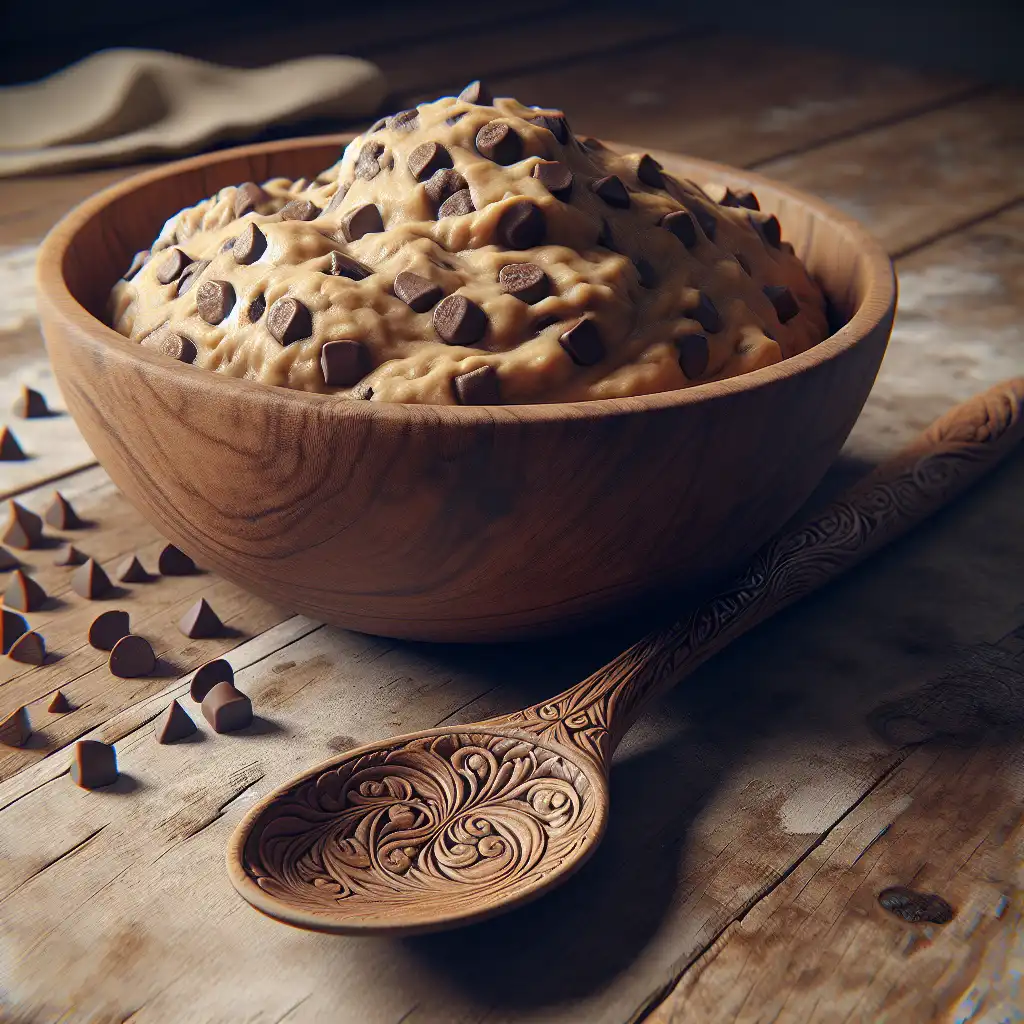
The cookie dough was too clumpy to spread evenly.
clumpy
ˈklʌmpi
लोड हो रहा है…
ˈklʌmpi
In a form of groups or lumps
The cookie dough was too clumpy to spread evenly.

ˈklʌmpi
Not moving smoothly, awkward in motion
He wore big, clumpy boots which made him walk weirdly.
ऑडियो लोड नहीं हो सका। कृपया बाद में फिर कोशिश करें।
'Clumpy' is a word used to describe something that is lumpy or bumpy in texture. It usually refers to something that is made up of small pieces or clumps that are stuck together. For example, if you have a bowl of cereal that has big clumps of cereal inside, you can describe it as clumpy. Another example is if you are walking on a path that has a lot of rocks and uneven surfaces, you might say that the path is clumpy. So, if you want to describe something that is lumpy and not smooth in texture, you can use the word 'clumpy'.
Bumpy refers to a surface that is uneven or full of small bumps. This can describe a road, a mattress, or anything that has a rough texture.
Bumpy describes surfaces that are rough, while clumpy describes substances that are lumpy or not well mixed.
शब्द खोलें: Bumpy →Chunky describes something that has big, solid pieces, like chunky salsa with big pieces of tomato and onion.
Clumpy describes something that has small pieces that stick together in clumps, like clumpy oatmeal. Chunky refers to big, solid pieces while clumpy refers to small pieces that stick together.
शब्द खोलें: Chunky →Clot refers to a dense mass of blood that can form inside the body, leading to health problems. Clumpy refers to something that has lumps and doesn't have a smooth consistency.
This word can describe food, liquids, or other substances that have a thick or chunky texture. Clot is specific to medical contexts, while clumpy can be used in any situation where texture or consistency is relevant.
शब्द खोलें: Clot →Clumpy refers to something that is lumpy or chunky in texture, while cluster refers to a group of similar things that are close together.
Cluster is used to talk about groups or collections of things.
A cluster of grapes, for example, refers to a bunch of grapes that are situated close together.
Clumpy describes a physical texture or appearance, while cluster describes a grouping or collection of things.
शब्द खोलें: Cluster →Clumpy refers to something that is formed or gathered into clumps or lumps, whereas the word coarse refers to something that is rough, harsh or uneven in texture.
Coarse can describe a surface that is rough or uneven to the touch, such as a piece of sandpaper, or the texture of gravel or stones in a pathway.
Clumpy relates to a cluster or bunch of something, while coarse has to do with the roughness of a surface or texture.
शब्द खोलें: Coarse →Clumpy describes things that are made up of large, uneven, and irregular clusters or lumps. For example, mashed potatoes can be described as clumpy if they are not mashed properly.
Lumpy describes things that have small irregularities or bumps scattered throughout their surface. For example, a cake batter can be described as lumpy if it has small clumps of flour that haven't been mixed in properly.
Clumpy describes irregular clusters or lumps and lumpy describes small irregularities or bumps.
शब्द खोलें: Lumpy →Regular means to be consistent or evenly distributed.
It is often used to describe things that are uniform or follow a set pattern. For example, regular milk might mean that the milk has a consistent texture throughout.
Clumpy is applicable when there are uneven clusters or lumps, while regular is applicable when things are uniform and evenly distributed.
शब्द खोलें: Regular →Uneven refers to when something is not level or flat, and has variations in height or surface. For example, a bad road surface with bumps and potholes is uneven.
To summarize, clumpy refers to things that are stuck together in clumps, and uneven refers to things that are not level or have variations in height or surface.
शब्द खोलें: Uneven →The beneficial bacteria...
YouTube पर देखें ↗The search for dark...
YouTube पर देखें ↗