
tariff
noun tariff
ˈtærɪf
A list of prices for goods or services
The hotel provided a tariff of their services at the front desk.
tariff
ˈtærɪf
加载中…
ˈtærɪf
A list of prices for goods or services
The hotel provided a tariff of their services at the front desk.
ˈtærɪf
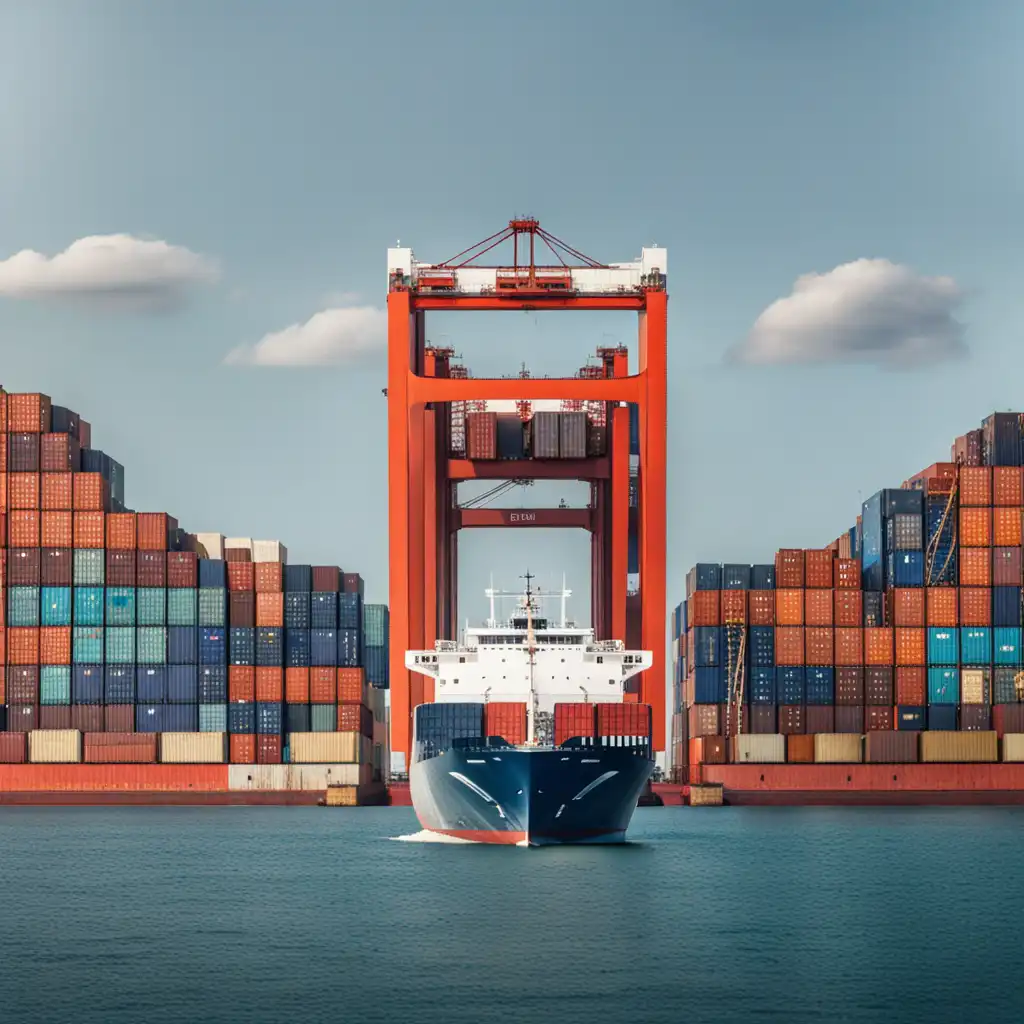
A tax to be paid on imports or exports
The government imposed a high tariff on imported goods.
ˈtærɪf
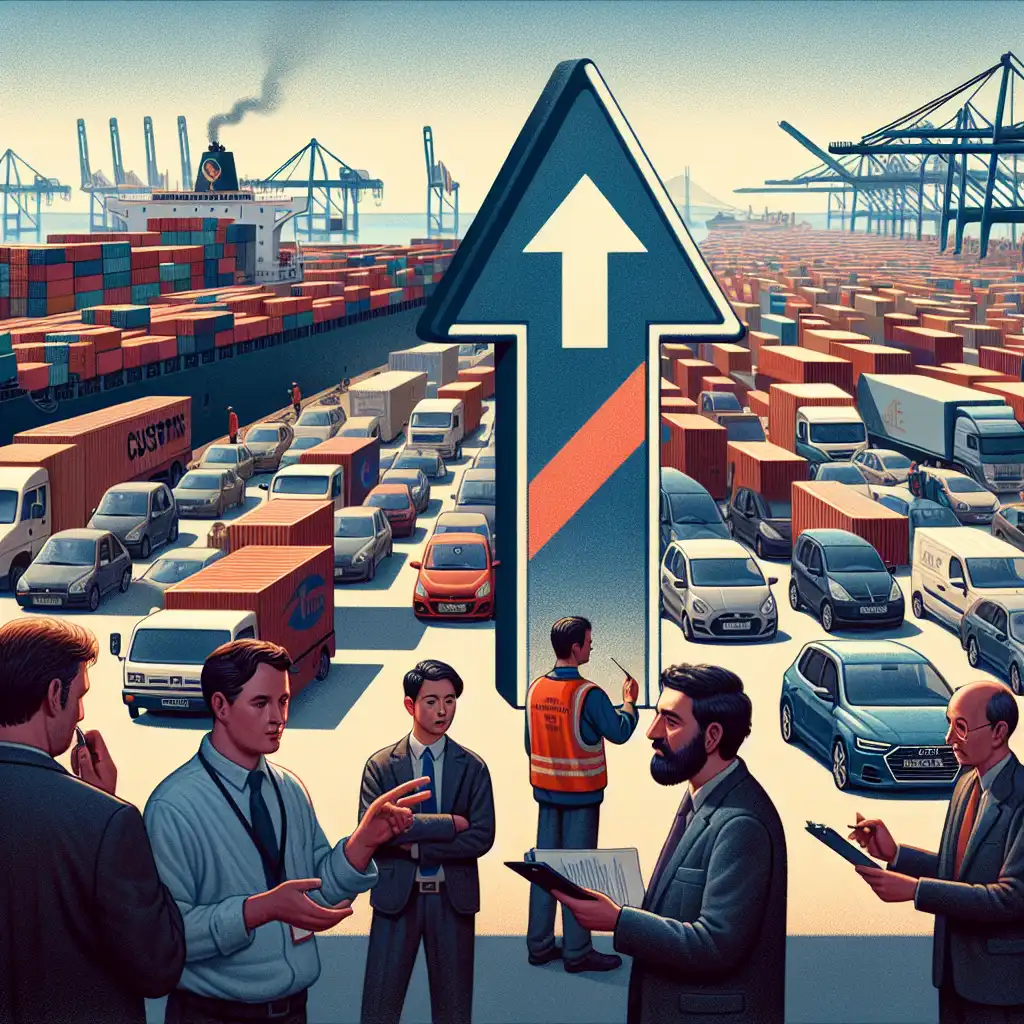
To put a tariff on something
The country decided to tariff imported cars to support local manufacturers.
音频无法加载,请稍后再试。
Tariff is a word used to talk about money that is charged on goods imported or exported between countries. It's like a tax that a government puts on items that are being bought or sold across its borders. It can make things more expensive for the buyers or sellers, depending on who is paying the tariff. For example, if a country puts a tariff on cars being imported from another country, those cars will be more expensive to buy in the first country. Tariffs can be a way for a government to protect its own businesses and industries from competition from other countries.
Assess means to evaluate or determine the value or quality of something.
In simpler terms: Assess means to evaluate something based on a set of standards, while tariff refers to a tax on traded goods.
打开单词: Assess →Charge is often used to describe the price you pay for a particular item or service. For example, you might be charged $10 for a movie ticket or $50 for a taxi ride.
A tariff is a specific type of charge that is applied by governments on goods and services that are imported or exported to other countries.
Charge refers to the price you pay for something, while tariff refers to a tax on goods being traded between countries.
打开单词: Charge →Customs are taxes imposed on goods that are imported into a country, while a tariff is a tax on goods that are exported from a country.
Customs are levied on imports when they are brought into a country, and are applied to items such as automobiles, clothing, and electronics.
In short, customs are taxes on imports, while tariffs are taxes on exports.
打开单词: Custom →Duty refers to a tax or fee that is charged on goods that are imported or exported by a country. This is often done in order to protect local industries and ensure that domestic products are not undercut by cheaper foreign goods.
Tariff refers to the specific amount that is charged as a duty on a particular product.
For example, if a country wants to protect its local steel industry, it might place a duty on imported steel. The duty itself is the duty, while the specific amount charged on each unit of steel is the tariff.
In this way, duties and tariffs are essentially two sides of the same coin - duties are the broader policy decision, while tariffs are the specific implementation of that policy.
打开单词: Duty →Excise and Tariff are both taxes, but they are different types of taxes.
Excise taxes are applied on specific goods that are produced or manufactured within a country. They are usually included in the price of the product and the manufacturer is responsible for paying it.
For example, excise taxes might be applied to goods like cigarettes, alcohol, or gasoline.
To summarize, excise taxes are applied to goods produced within a country while tariffs are applied to imported goods.
打开单词: Excise →A levy is a tax or fee that the government or another authority imposes on goods, services, or income. This can be on either imported or domestically produced items.
Levies can be used to raise revenue or to discourage certain activities, such as smoking or driving in certain areas.
In short, levies are more general taxes or fees on goods, services, or income, while tariffs are specifically taxes on imported goods.
打开单词: Levy →A tariff is a tax specifically placed on imported goods. This is done to protect domestic industries by making imported goods more expensive.
A tax is a broad term that refers to any money paid to the government for various reasons, such as income tax, sales tax or property tax.
Taxes are collected to fund government projects, such as schools, hospitals, and infrastructure.
A tariff is a specific tax on imported goods while taxes are general payments made to the government for various reasons.
打开单词: Tax →A toll is a fee that is charged for using a particular resource or facility, such as a bridge, road, or tunnel. Tolls are usually collected by private companies or government agencies to cover the cost of building and maintaining these facilities.
Unlike tariffs, tolls do not directly relate to trade between countries but rather to the use of specific infrastructure.
In summary, tariffs are taxes on goods being imported or exported between countries while tolls are fees for using particular facilities such as roads, bridges, and tunnels.
打开单词: Toll →Tribute is a payment made by one ruler or country to another as a sign of respect or subjugation. This could be in the form of a gift, tribute, or tax.
For example, in ancient times, a conquered nation might be forced to pay tribute to the conquering nation as a sign of submission.
In summary, tariffs are taxes on goods traded between countries while tribute is a payment made by one ruler or country to another as a sign of subjugation or respect.
打开单词: Tribute →The Silk Road:...
在 YouTube 上观看 ↗Tariffs that save jobs in the steel industry mean higher steel prices, which in turn means fewer sales of American steel products around the world and losses of far more jobs than are saved.
Ashraf Ghani: How to fix...
在 YouTube 上观看 ↗There is no man more dangerous, in a position of power, than he who refuses to accept as a working truth the idea that all a man does should make for rightness and soundness, that even the fixing of a tariff rate must be moral.
Secret Formula of...
在 YouTube 上观看 ↗Every increase of protective duties is necessarily followed, in the present condition of our country, by an expansion of the currency, which must continue to increase till the increased price of production, caused by the expansion, shall be equal to the duty imposed, when a new tariff will be required.
What is international...
在 YouTube 上观看 ↗Evidence points out that if you raise tariffs too much it will increase smuggling.
Amory Lovins: We must...
在 YouTube 上观看 ↗Wind developers have realised the importance of transparent method of price discovery, which was demonstrated in the solar sector. They realise that bidding brings in efficiency, and tariff is right-sized.
A vision of crimes in...
在 YouTube 上观看 ↗One thinks that one is winning when we slap tariffs or introduce barriers to imports from another country, and we think we win. But you lose when you export because the other countries are going to raise tariffs as well. They're going to introduce barriers as well. So you win with one hand and you lose with the other.
History vs. Andrew...
在 YouTube 上观看 ↗In almost every case, whenever a tariff or quota is imposed on imports, that tax is strongly supported by the domestic industry getting the protective shield from lower-priced foreign competition. The sugar industry supports sugar tariffs; textile mills lobby for tariffs on foreign clothing.
Let the environment...
在 YouTube 上观看 ↗A weaker currency is a national tariff. After we get a weaker currency, we have to take advantage of that. Or else, we will waste it once more in inflation and in the inability to raise competitiveness.
Parag Khanna maps the...
在 YouTube 上观看 ↗Agricultural products ranging from citrus and dairy to beef and chicken face stifling tariffs or nontariff barriers in many countries around the world.
Why it's too hard to...
在 YouTube 上观看 ↗If you put tariffs in place, it creates inflation. If you put inflation in place, you have to raise interest rates. You raise interest rates, and stock markets shouldn't be so high.