
hereditary
adjective hereditary
həˈredɪteri
Something that is passed from parents to children, like genes or characteristics.
Blue eyes are a hereditary trait in their family.
hereditary
həˈredɪteri
लोड हो रहा है…
həˈredɪteri
Something that is passed from parents to children, like genes or characteristics.
Blue eyes are a hereditary trait in their family.
həˈredɪteri
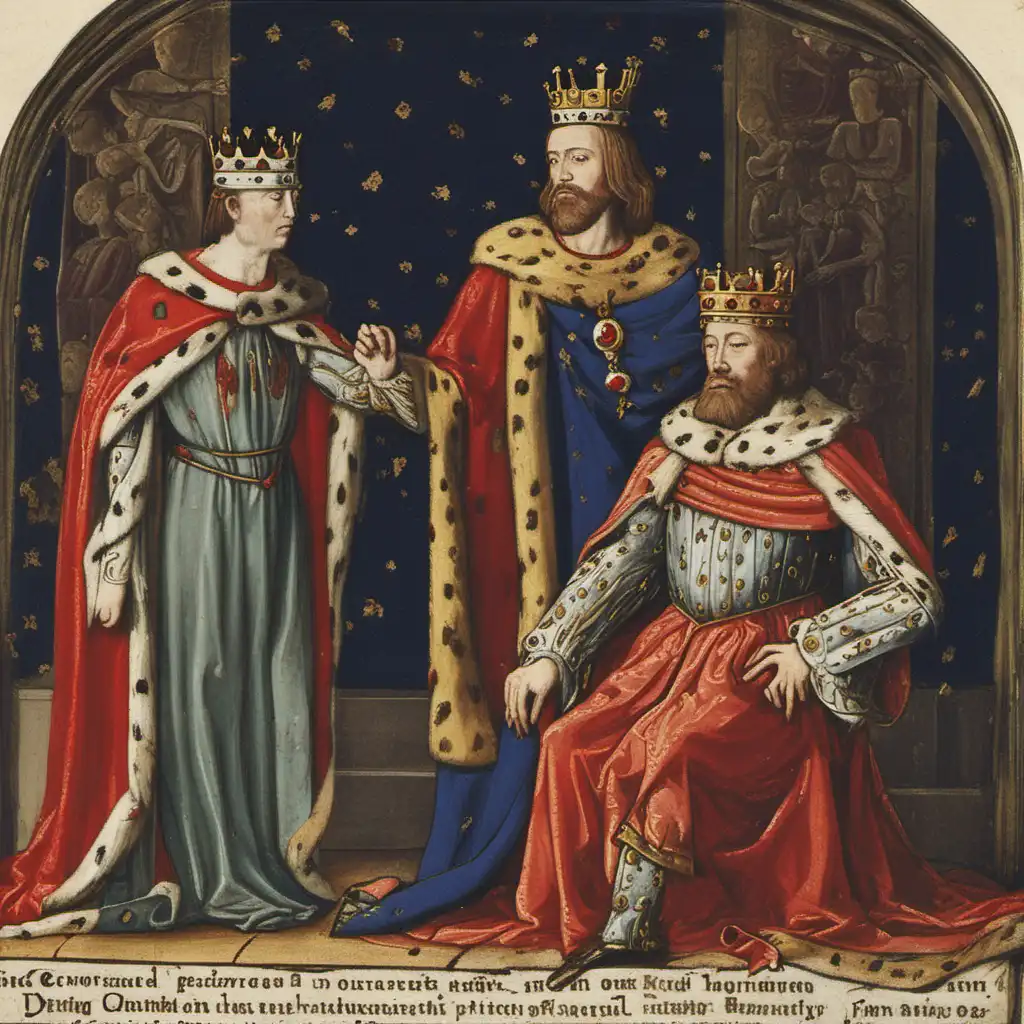
A position or title that is passed from a parent to a child when the parent dies.
The title of King is hereditary and passes to the eldest son.
həˈredɪteri
In computing, a concept where properties or characteristics are passed from a 'parent' element to a 'child' element.
In object-oriented programming, classes can have hereditary relationships.
ऑडियो लोड नहीं हो सका। कृपया बाद में फिर कोशिश करें।
The word 'hereditary' means something that is passed down from parents to their children. It is often used to describe traits or characteristics that are inherited genetically. For example, if a person's parents both have brown eyes, it is likely that their child will also have brown eyes due to hereditary factors. The word can also refer to diseases or medical conditions that are passed down through families. For instance, if a person's parents have a history of diabetes, they may be at a higher risk of inheriting the condition due to hereditary factors.
Ancestor refers to a person who came before you in your family history, like your great-great-grandfather. Hereditary refers to traits or characteristics that are passed down through genetics from one generation to the next, such as eye color or a predisposition to a certain disease.
Ancestor is applicable when talking about your family tree, while hereditary is applicable when talking about genetics and inherited traits.
शब्द खोलें: Ancestor →Familial refers to traits that are common in a particular family due to shared environment and upbringing, while the word hereditary refers to traits that are passed down genetically from one generation to the next.
For example, a family may have a familial tendency towards being good at music because the parents are musicians and encourage their children to learn instruments.
Familial refers to shared environment and upbringing while hereditary refers to traits passed down through genetics.
शब्द खोलें: Familial →Genealogical relates to the tracing of family ancestry and history. This is often done by looking at birth certificates, marriage licenses, and other official documents.
Genealogical is more about family history and ancestry, while hereditary is about passing down physical or genetic traits.
शब्द खोलें: Genealogical →Genetic refers to the study of genes and how they are passed down from one generation to another. It is the scientific term used to describe the study of genes and their functions.
Both terms are applicable in the field of biology and genetics, but genetic is more commonly used when referring to the scientific study of genes, while hereditary describes the passing down of traits from ancestors.
शब्द खोलें: Genetic →Inherit refers to the process of receiving something from a family member who has passed away. This could include money, property, or possessions.
Both words are applicable in the context of family genetics and wealth. Hereditary is used for biological traits and conditions, while inherit is used for receiving assets or money from family members.
शब्द खोलें: Inherit →Lineal refers to the direct descent from an ancestor. This term is usually used in discussions of family relationships and genealogy.
For example, a lineal descendant would be someone who is descended directly from a specific ancestor, such as a great-grandfather.
Hereditary pertains to traits inherited through genetics, while lineal refers to the direct descent from an ancestor.
शब्द खोलें: Lineal →Maternal specifically refers to anything related to one's mother. This can include traits that are passed down from the mother's side of the family, but can also refer to things like maternal instincts, maternal health, or maternal leave.
Hereditary is a broader term that applies to genetics from both sides of the family, while maternal is a more specific term that only applies to the mother.
शब्द खोलें: Maternal →Paternal refers to something related to a father or father figure. For example, if a person talks about their paternal grandfather, they are referring to their father's father.
Hereditary is applicable when discussing genetics and inherited traits, while paternal is applicable when talking about a person's relationship with their father or their father's family.
शब्द खोलें: Paternal →like the risk of passing on hereditary illness, the danger of having to stop life-saving medication for the duration of your pregnancy, concern about overpopulation, your access to resources,
YouTube पर देखें ↗Teach your children poetry; it opens the mind, lends grace to wisdom and makes the heroic virtues hereditary.
build this for you know if the makers are actually within the family so summer players and summer maker said it's a hereditary tradition both the makers and the players are within that well and do you have music that's available like on iTunes or yeah iTunes in the bookstore
YouTube पर देखें ↗OUR history begins before we are born. We represent the hereditary influences of our race, and our ancestors virtually live in us.
And scarce resources, and a lack of access to healthy affordable foods creates an even greater risk in disadvantaged communities. Yet our genetic makeup also plays a part. Studies on families and on separated twins have shown a clear causal hereditary relationship to weight gain.
YouTube पर देखें ↗History is hereditary only in this way: we, all of us, inherit everything, and then we choose what to cherish, what to disavow, and what to do next, which is why it's worth trying to know where things come from.
there are many people affected by bilateral cataract at a very young age we call it a hereditary cataract just
YouTube पर देखें ↗Cartoons are like fruit flies. Biologists use fruit flies because their large chromosomes and short life cycle make them ideal for studying hereditary changes.
And all of a sudden what we're doing is we've got this multidimensional chess board where we can change human genetics by using viruses to attack things like AIDS, or we can change the gene code through gene therapy to do away with some hereditary diseases,
YouTube पर देखें ↗The nucleic acids have considerable biological importance because of their role in cell growth and in the transmission of hereditary characters.
This is called synesthesia. Galton called it synesthesia, a mingling of the senses. In us all the senses are distinct. These people muddle up their senses. Why does this happen? One of the two aspects of this problem are very intriguing. Synesthesia runs in families, so Galton said this is a hereditary basis a genetic basis.
YouTube पर देखें ↗I was born with this. It's a hereditary genetic condition. This is something you can go your whole life without really knowing that something's wrong. I had high blood pressure, and that was the first sign.
called hereditary inclusion body myopathy, or HIBM. It's a progressive muscle wasting disease that affects all of my muscles from head to toe. HIBM is very rare.
YouTube पर देखें ↗I have this thing called hereditary neuropathy with liability to pressure palsies. It's incredibly rare.
that kept some of the most important achievements of the revolution in freedom of religion abolition of hereditary privilege, and equality before the law for all men." "All men indeed. He deprived women of the rights that the revolution had given them
YouTube पर देखें ↗Of the various forms of government which have prevailed in the world, an hereditary monarchy seems to present the fairest scope for ridicule.
Without their regular cues the muscles waste away. Precisely what makes the motor neurons degenerate is the prevailing mystery of ALS. In hereditary cases parents pass genetic mutations on to their children. Even then ALS involves multiple genes with multiple possible impacts on motor neurons,
YouTube पर देखें ↗When we are planning for posterity, we ought to remember that virtue is not hereditary.
In the novel she interrogates the culture of her native India, including its social mores and colonial history. One of her focuses is the caste system, a way of classifying people by hereditary social class that is thousands of years old.
YouTube पर देखें ↗Indeed, the hereditary gift of prophecy will go to the grave with me.