masque
noun masque
mæsk
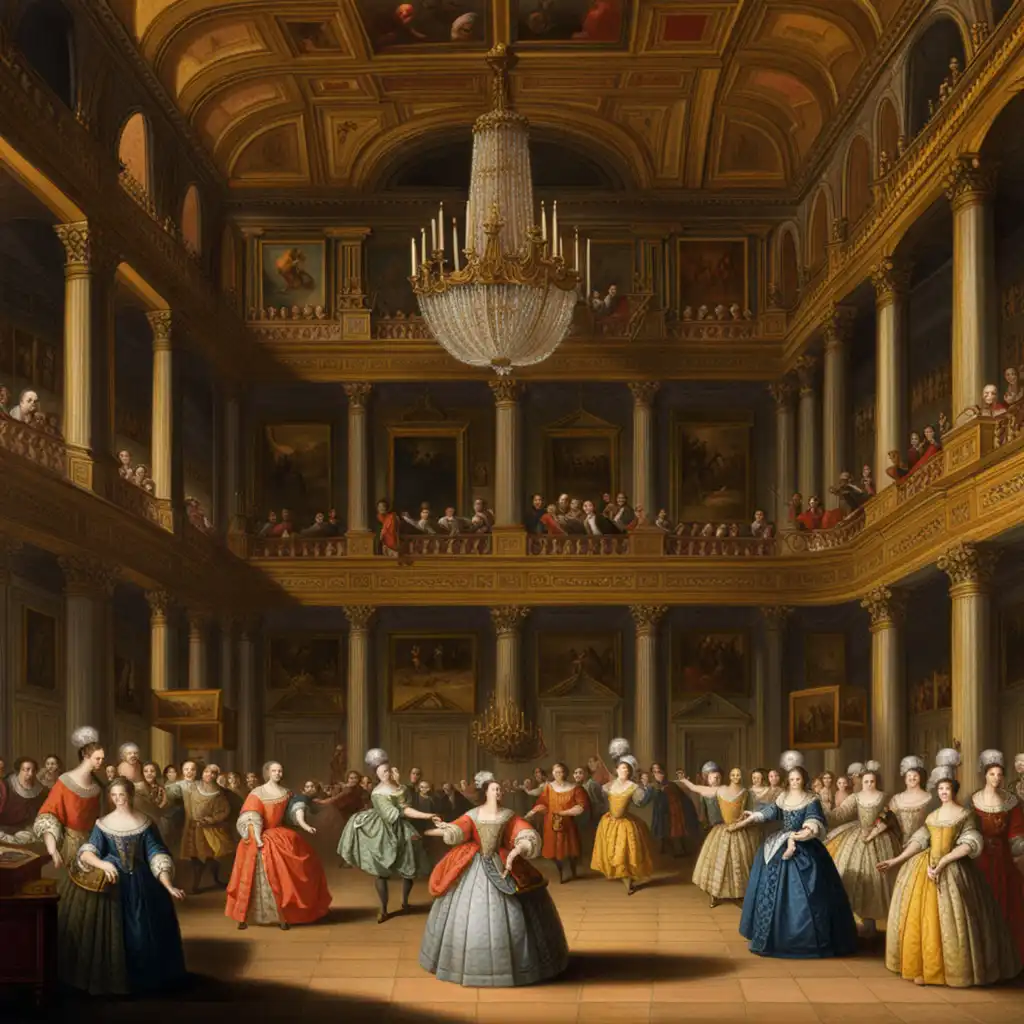
A type of entertainment in the 16th and 17th centuries that includes music, acting, and dancing.
For the royal celebration, a masque was organized at the palace.
masque
mæsk
Cargando…
mæsk
A type of entertainment in the 16th and 17th centuries that includes music, acting, and dancing.
For the royal celebration, a masque was organized at the palace.
mæsk
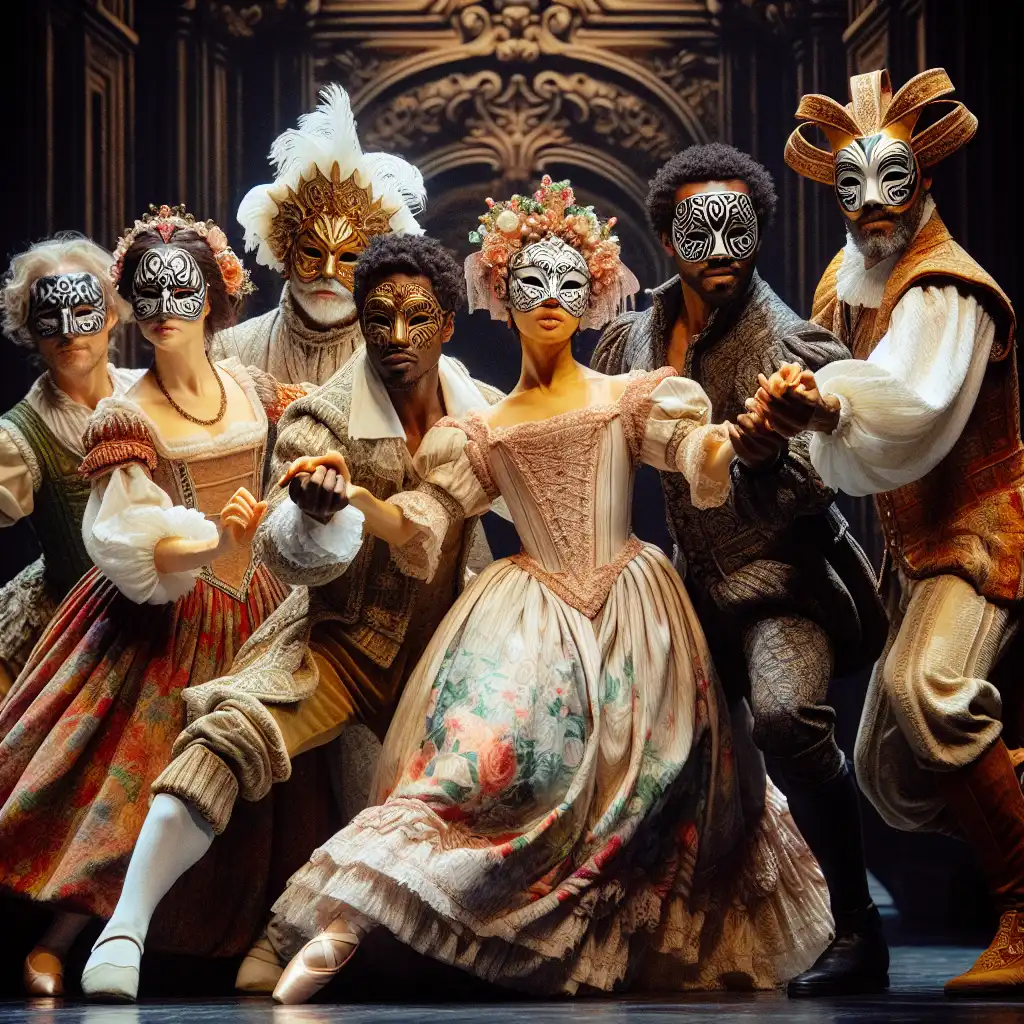
A mask, specially one used in a play or ballet.
The actors in the play wore elaborate masques for their performances.
No se pudo cargar el audio. Inténtalo de nuevo más tarde.
Masque refers to a type of theatrical performance that was popular in the 16th and 17th centuries in Europe. It usually involved elaborate costumes and dancing, and was often performed for royalty or upper-class audiences. Nowadays, the word masque is still used to describe a type of performance that involves masks or disguises, particularly during Halloween or carnival celebrations. It can also refer to a type of cosmetic treatment for the face, which is sometimes spelled "mask".
Apparel refers to clothing and all the things we wear to cover our body, such as shirts, pants, dresses, shoes, and accessories.
Apparel describes all the clothes that we wear, while masque is a specific type of costume that is worn during certain events or performances.
Abrir palabra: Apparel →Attire refers to clothing or dress, while masque refers to a type of costume or mask worn during a masquerade or similar event.
Attire is applicable in everyday life when referring to what someone is wearing, while masque is more specific to costume parties or theatrical performances.
Abrir palabra: Attire →Clothing generally refers to the items that people wear to cover their bodies, such as shirts, pants, dresses, and shoes.
Clothing is what we wear day-to-day, while a masque is a type of costume or disguise worn for a specific event or purpose.
Abrir palabra: Clothing →Costume refers to the clothing or outfit worn by a person for a particular event or occasion.
Costume refers to what someone wears for an event, while masque refers to a specific type of theatrical performance.
Abrir palabra: Costume →Disguise means to alter one's appearance or behavior to conceal their identity or true intentions.
Disguises can be used in prank videos or in situations where someone doesn't want to be recognized, such as Halloween costumes or hiding from someone.
Disguise is used when one wants to conceal their identity or intentions, while masque refers to a formal dance or ball where attendees wear masks.
Abrir palabra: Disguise →Garb refers to a certain type of clothing or attire that a person wears.
Garb refers to clothing, while masque refers to a type of performance.
Abrir palabra: Garb →Mask is a more common word that refers to something that covers the face or part of the face, like what we wear for protection during the pandemic or what a doctor wears during surgery.
A masque was popular in the 16th and 17th centuries in England and was usually done in a rich person's home. Mask is applicable for face coverings, while masque is applicable for a type of performance.
Abrir palabra: Mask →Masque refers to a type of festive event involving masks and costumes, often associated with the Renaissance era. Outfit refers to the clothes and accessories worn by a person.
Masque relates to a specific type of celebratory event while outfit refers to what someone is wearing.
Masque can only be used in the context of a masquerade, while outfit can be used in any situation where someone is wearing clothes.
Abrir palabra: Outfit →Though lust do masque in ne'er so strange disguise she's oft found witty, but is never wise.