apostolic
adjective apostolic
ˌæpəˈstɑːlɪk
Related to the apostles in Christianity or their teachings.
The church claimed an apostolic succession from St. Paul.
apostolic
ˌæpəˈstɑːlɪk
読み込み中…
ˌæpəˈstɑːlɪk
Related to the apostles in Christianity or their teachings.
The church claimed an apostolic succession from St. Paul.
ˌæpəˈstɑːlɪk
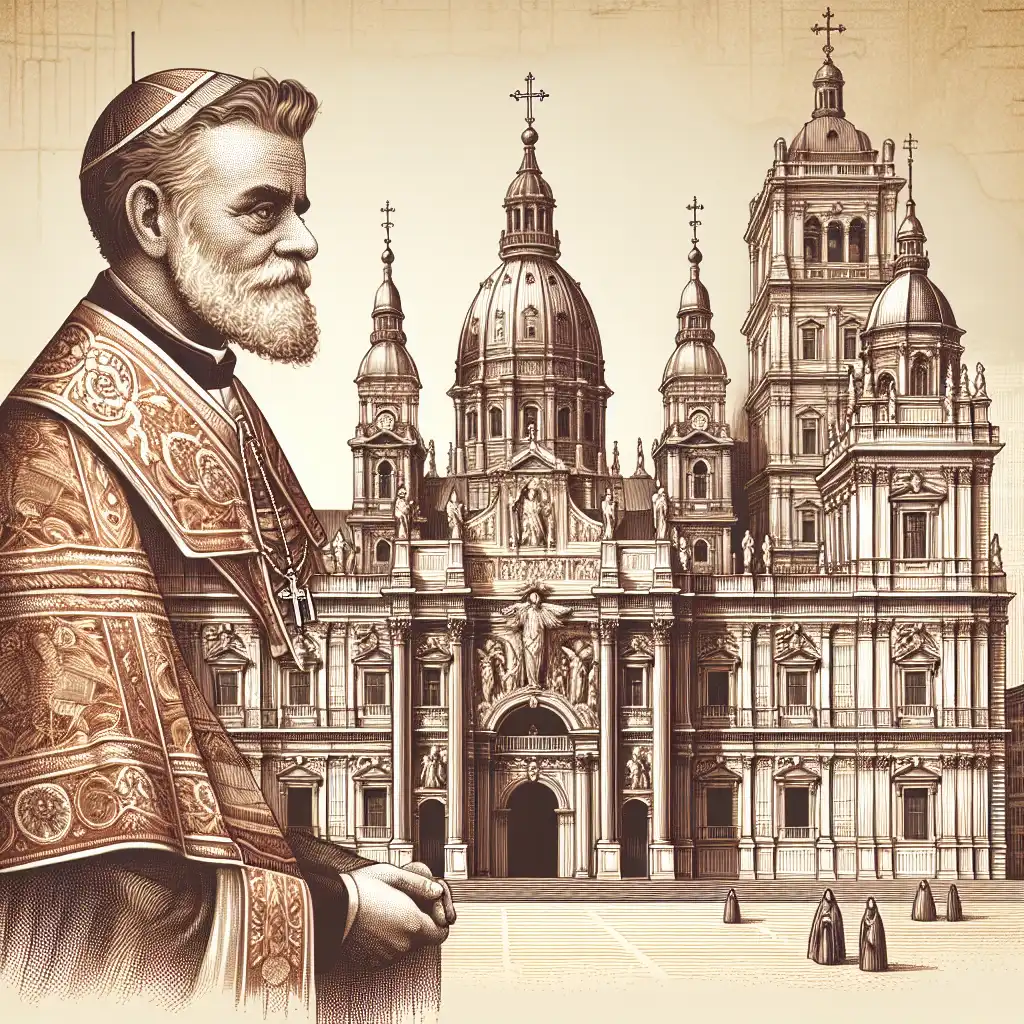
Relating to the Pope, who is considered the successor of the apostles in the Roman Catholic Church.
The Apostolic Palace is the residence of the Pope in Vatican City.

ˌæpəˈstɑːlɪk
Representing a mission, especially a Christian mission.
He worked with apostolic fervor to spread the gospel.
音声を読み込めませんでした。しばらくしてからもう一度お試しください。
The word 'apostolic' is often used in a religious context to describe someone or something that is connected to the apostles of Jesus Christ. It can also be used to describe a specific period in history when the apostles were alive and actively preaching. For example, in the Catholic Church, the term 'apostolic succession' refers to the idea that the authority of the apostles has been passed down through generations of bishops. Outside of religious contexts, the word 'apostolic' can also be used to describe someone or something that is dedicated to a specific cause or mission, similar to the dedication of the apostles to spreading the word of Jesus.
Ancient refers to something that is very old, usually relating to a time long ago in history.
Simply put, ancient refers to something old in general, while apostolic specifically refers to something related to the apostles of Jesus Christ.
単語を開く: Ancient →Classical on the other hand, generally refers to things that are of or relating to ancient Greek or Roman culture, literature, art, etc.
Apostolic is applicable in a religious context, while classical is applicable in cultural, historical or artistic contexts.
単語を開く: Classical →Foundation refers to the basis or groundwork on which something is built.
In terms of application, apostolic is specifically related to Christianity and religion, while foundation can be used in a broader range of contexts, including business, education, and politics.
Apostolic is primarily used to describe a particular religious tradition or community, while foundation is more general and can refer to any underlying basis or starting point.
単語を開く: Foundation →Historical refers to things that relate to the past, particularly events or figures from a significant period in history.
Apostolic is a term used in a religious context to describe traditions or beliefs that are based on the teachings of the original followers of Jesus, while historical is a broader term used to refer to anything related to the past.
単語を開く: Historical →Original refers to something that is the first of its kind, or something that has not been copied or imitated.
So, while apostolic specifically relates to the teachings and traditions of the early Christian church, original can be used more broadly to describe anything that is new or innovative.
単語を開く: Original →Orthodox means conforming to the traditional and official beliefs of a particular religion or faith.
Apostolic refers to the early teachings and practices that were passed down by the apostles, while orthodox refers to the mainstream beliefs and practices of a particular religion or faith.
単語を開く: Orthodox →Primitive refers to something that is old-fashioned or ancient, often implying simplicity or primitiveness.
Primitive might be used to describe certain practices or beliefs that existed before the formal establishment of the church or that have been preserved in isolated or rural communities.
単語を開く: Primitive →Traditional simply refers to something that has been passed down from generation to generation, usually within a particular culture or community.
Apostolic has a more specific religious connotation, while traditional is a broader term that can apply to various aspects of culture and society.
単語を開く: Traditional →A policy is a temporary creed liable to be changed, but while it holds good it has got to be pursued with apostolic zeal.
That the apostolic office is temporary, is a plain historical fact.
I held apostolic succession fully, and the channels of grace to be there only.
The apostolic writings are of three kinds: historical, didactic, and prophetic.
In Pope Francis's 'Amoris Laetitia' (The Joy of Love), an apostolic exhortation on Catholic family life, he does not make earth-shattering doctrinal changes with regards to divorced Catholics, same-sex married Catholics, or the church's stance on homosexuality.
A church without women would be like the apostolic college without Mary. The Madonna is more important than the apostles, and the church herself is feminine, the spouse of Christ and a mother.
The king is so subtle with his words that he would confound the apostolic religion itself. He will find the weak points of the pope's character and will trip him up to his destruction.
Whoever removes the Cross and its interpretation by the New Testament from the center, in order to replace it, for example, with the social commitment of Jesus to the oppressed as a new center, no longer stands in continuity with the apostolic faith.
The Church, during the apostolic age, did not consist of isolated, independent congregations, but was one body, of which the separate churches were constituent members, each subject to all the rest, or to an authority which extended over all.