
fife
noun fife
faɪf
A small high-pitched flute similar to a piccolo
The soldier marched to the sound of the fife and drum.
fife
faɪf
Cargando…
faɪf
A small high-pitched flute similar to a piccolo
The soldier marched to the sound of the fife and drum.
faɪf
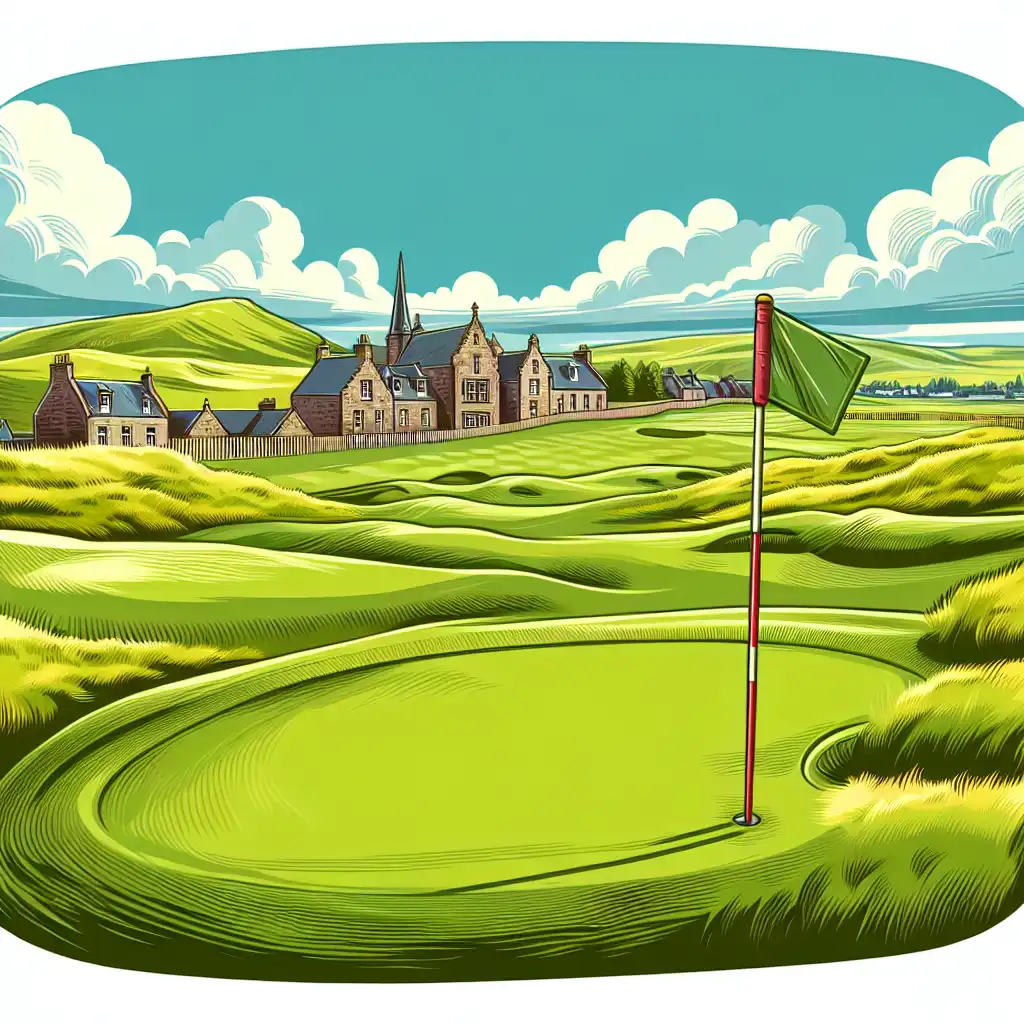
A historic county of eastern Scotland
St. Andrews, the home of golf, is located in Fife.
No se pudo cargar el audio. Inténtalo de nuevo más tarde.
A fife is a small musical instrument, like a flute, that is often used in military bands or in traditional folk music. It is played by blowing air into it and covering and uncovering the holes with your fingers to create different notes. The word "fife" can also be used to describe a shrill, high-pitched sound, or as a verb meaning to make such a sound. For example, you might say "The sound of the fife filled the air as the soldiers marched" or "The bird fife-ed a cheerful tune in the trees."
Blow refers to the act of making air or another substance move forcefully out of one's mouth or a mechanical device.
The word fife refers to a small, high-pitched musical instrument that is played by blowing air across its mouthpiece. The fife is commonly used in military and marching band music.
In summary, whereas blow refers to the act of expelling air or causing something to move forcefully by air pressure, fife is a specific type of musical instrument that requires the player to blow air across its mouthpiece.
Abrir palabra: Blow →The main difference between a fife and a flute is their size and sound.
A flute is larger, has more keys, and produces a wider range of notes.
It is often used in classical music and orchestras because it has a softer, more delicate sound. In summary, fifes are small and used for marching and military purposes while flutes are larger and used for classical music.
Abrir palabra: Flute →Both fife and piccolo are musical instruments that belong to the woodwind family, but the main difference is their size and pitch.
A piccolo is a smaller version of the flute, but plays an octave higher. It is about half the size of a regular flute and has a higher range of notes.
It is made of metal and has keys like a flute, allowing for a wider range of expression. The piccolo is often used in orchestral music, marching bands, and occasionally in jazz.
So, in essence, the fife and piccolo are both small, high-pitched instruments, but the fife is simpler with fewer notes and is made of wood or plastic, while the piccolo is more complex with more notes and is made of metal.
Abrir palabra: Piccolo →A pipe can have a few different meanings depending on the context.
It can refer to a musical instrument, such as bagpipes or a clarinet.
It can also refer to a tube-like structure used for transporting fluids, like water pipes or gas pipes.
Fife is applicable when referring specifically to the musical instrument, while pipe can refer to a variety of things, including musical instruments and non-musical structures.
Abrir palabra: Pipe →A fife and a recorder are both musical instruments that belong to the family of woodwind instruments, but they have some differences.
A recorder is also a small wind instrument that has a whistle mouthpiece and a cylindrical body with eight finger holes.
It is used mainly in classical and early music and is usually played in an ensemble with other recorders.
To summarize, fifes are used for marching music, while recorders are used for classical and early music ensembles.
Abrir palabra: Recorder →Whereas, a whistle is a small, usually metal or plastic, cylindrical instrument with a mouthpiece that produces a shrill sound when blown.
It is commonly used as a signaling device or for sports such as soccer or basketball. A fife is used for playing music while a whistle is used as a signaling device.
Abrir palabra: Whistle →I play the baritone horn - which is like a mini tuba, and is the least sexy instrument you can choose, and I generally say I don't play one so I don't have to acknowledge it. I also play fife.