reverb
noun reverb
ˈriːvɜːrb
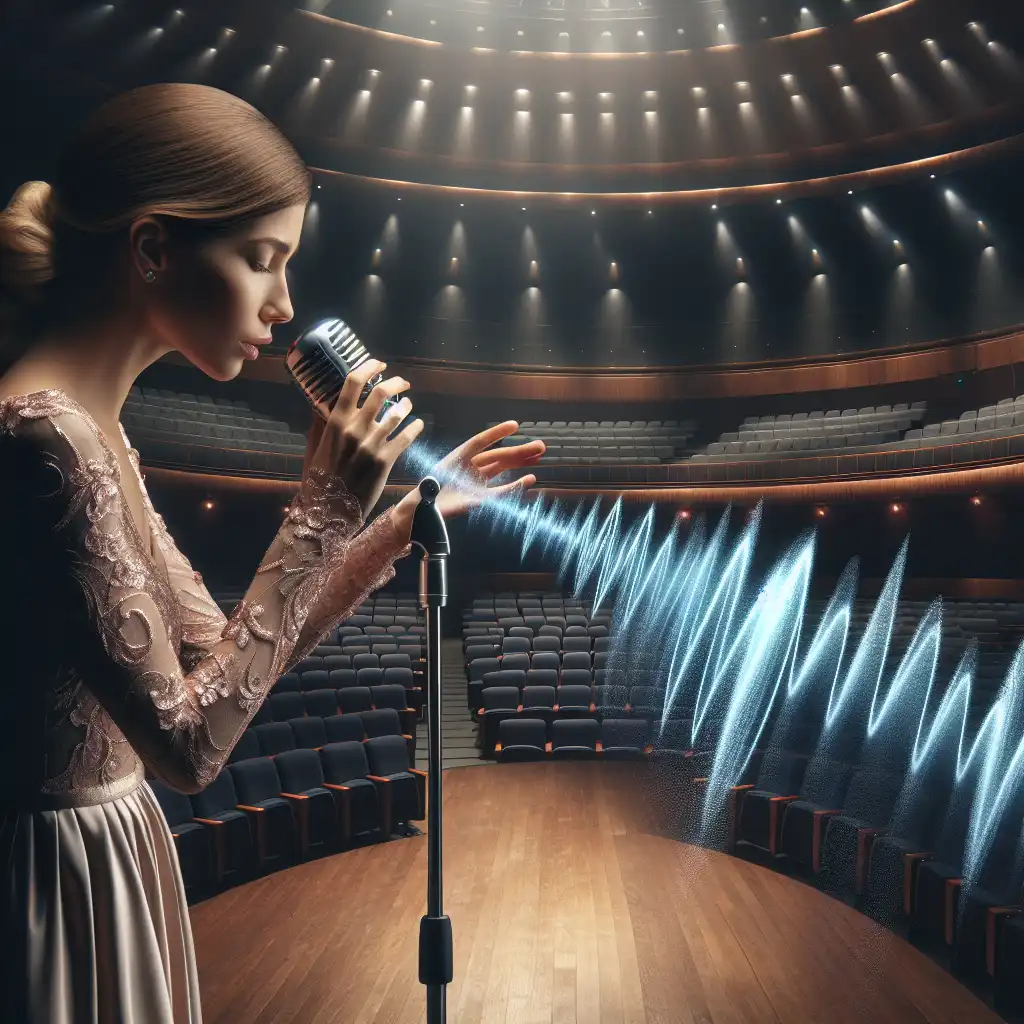
It is a sound effect that repeats many times and seems like it is echoing.
The singer's voice filled the room with a rich reverb.
reverb
ˈriːvɜːrb
Đang tải…
ˈriːvɜːrb
It is a sound effect that repeats many times and seems like it is echoing.
The singer's voice filled the room with a rich reverb.
ˈriːvɜːrb
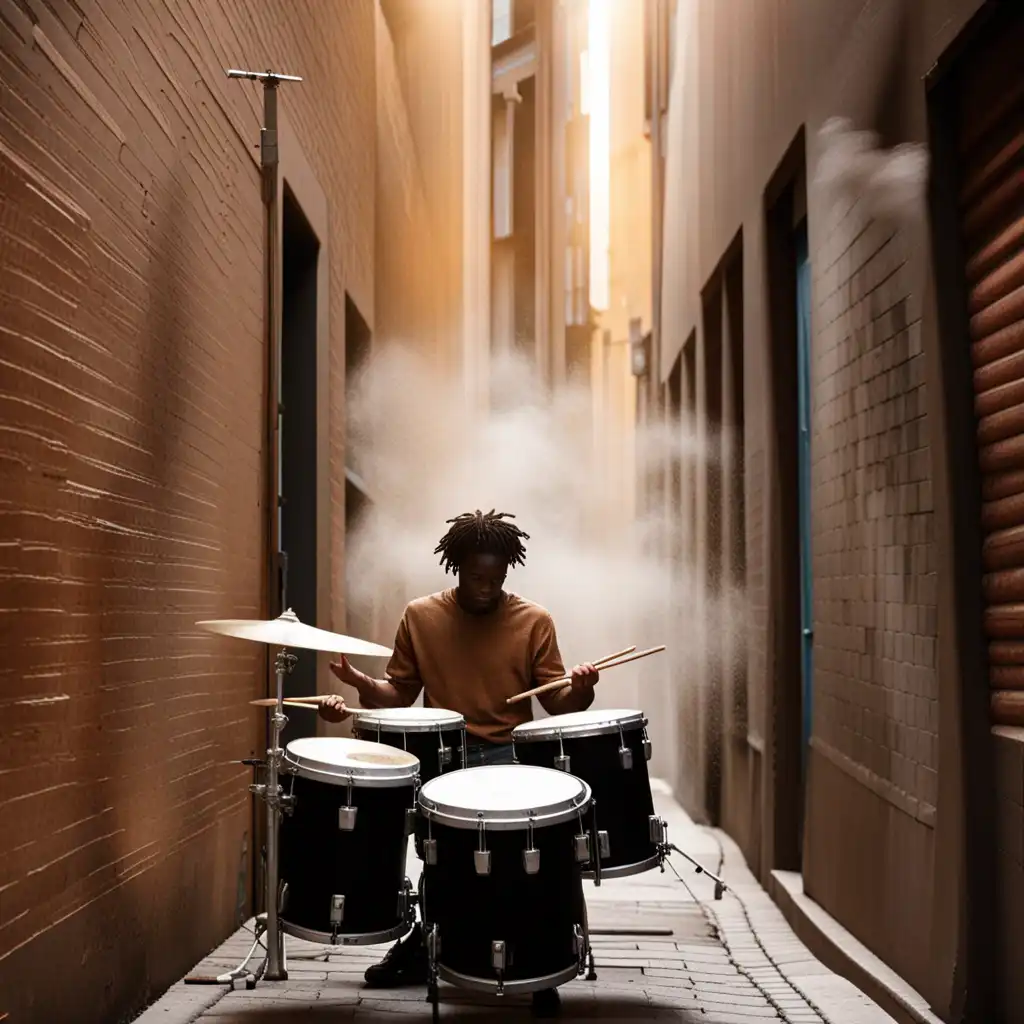
It is when a sound gets echoed or repeated.
The sound of the drums was reverbing through the alley.
Không tải được âm thanh. Vui lòng thử lại sau.
The word 'reverb' is often used when talking about music or sound. It refers to the echo or sound reflections that happen in a room or space when something is played or spoken. For example, if you play music in a big empty room, you might hear a lot of reverb because the sound is bouncing off the walls and creating an echo. In the context of music production, reverb is a tool used to add depth and dimension to a recording by simulating the effect of different types of spaces (e.g. a small room, a concert hall) on the sound.
Echo and reverb are both sound effects used in music and audio production.
Echo is a distinct repetition of a sound that occurs after a certain delay. It's like hearing the same sound twice, one after the other, with a pause in between.
Reverb is a more subtle effect that emulates the way sound is reflected and absorbed in different spaces. It simulates the reverberation or echo that occurs when sound waves bounce off walls, floors, and ceilings in a room.
Echo is a more pronounced and deliberate effect that repeats a sound, while reverb is a more subtle effect that adds depth and ambiance to a sound.
Mở từ: Echo →Reflection refers to the bouncing of sound waves off of surfaces. It happens when sound waves hit a surface and bounce back, like when you speak in a closed room and your voice echoes.
Reflection can change the direction and intensity of sound waves.
Reverb refers to the persistence of sound in an enclosed space even after the sound source has stopped. It is the collection of many reflections happening so quickly that they cannot be distinguished from each other.
Reflection is the bouncing of sound waves off of surfaces, while reverb is the collection of multiple reflections that persist in an enclosed space.
Reflection affects the direction and intensity of the sound, while reverb adds depth and spaciousness to it.
Mở từ: Reflection →Resonance refers to the natural tendency of an object to vibrate at a certain frequency when exposed to sound waves. It is the way that an object “rings” or “buzzes” after it has been struck or otherwise excited.
Resonance is applicable when talking about the natural properties of an object and how it responds to sound waves.
Mở từ: Resonance →Reverb and reverberation are related terms that refer to sound bouncing around a room or space.
Reverb is a shorter way of saying reverberation and generally refers to the overall sound of an instrument or voice that has reflections bouncing around a space.
Reverberation is the actual physical phenomenon of sound wave reflections bouncing off surfaces in a space. It's something that just happens naturally whenever sound is made in a space with walls, floors, and ceilings.
So, basically, reverb is a musical term used to describe the sound effect that's created when sound bounces around a space, while reverberation is the physics behind that effect.
Mở từ: Reverberation →Everything you hear on...
Xem trên YouTube ↗I naturally like that dreamy, shoegazey sound on my vocals. A lot of reverb helps, and so do a lot of delay effects on everything.
Toy tiles that talk to...
Xem trên YouTube ↗The Police could get away with doing an entire record with really no audible reverb, which I have always admired and thought would be a lot of fun to try to re-create.
Tagging a Juvenile %\PIPE%...
Xem trên YouTube ↗I think we all think we sound really good in the shower, where there's that nice reverb, and the water's drowning you out, and there is some liberation in the freedom of being totally alone and really going for it.
I have nothing against reverb.
No Bones' has some reverb that I kick around.
The only technical things I know are treble, volume and reverb, that's all.
I usually like to hide my vocals behind the music. I don't like to hide them consciously, but I have a tendency to prefer the vocal at the same level as everything else and put lots of reverb on it.
The instruments that bleed into each other are what creates the ambience. Once you start cleaning everything up, you lose it. You lose that sort of halo that bleeding creates. Then if you eliminate the halo, you have to go back and put in some artificial reverb, which is never as good.
I always thought that putting tons of reverb on my voice was kind of the equivalent of airbrushing. And I wanted other girls and women to hear a real female voice that wasn't completely manipulated.
The human voice sounds thicker with a chorus and reverb than a dry signal.