No se pudo cargar el audio. Inténtalo de nuevo más tarde.
Cómo se usa
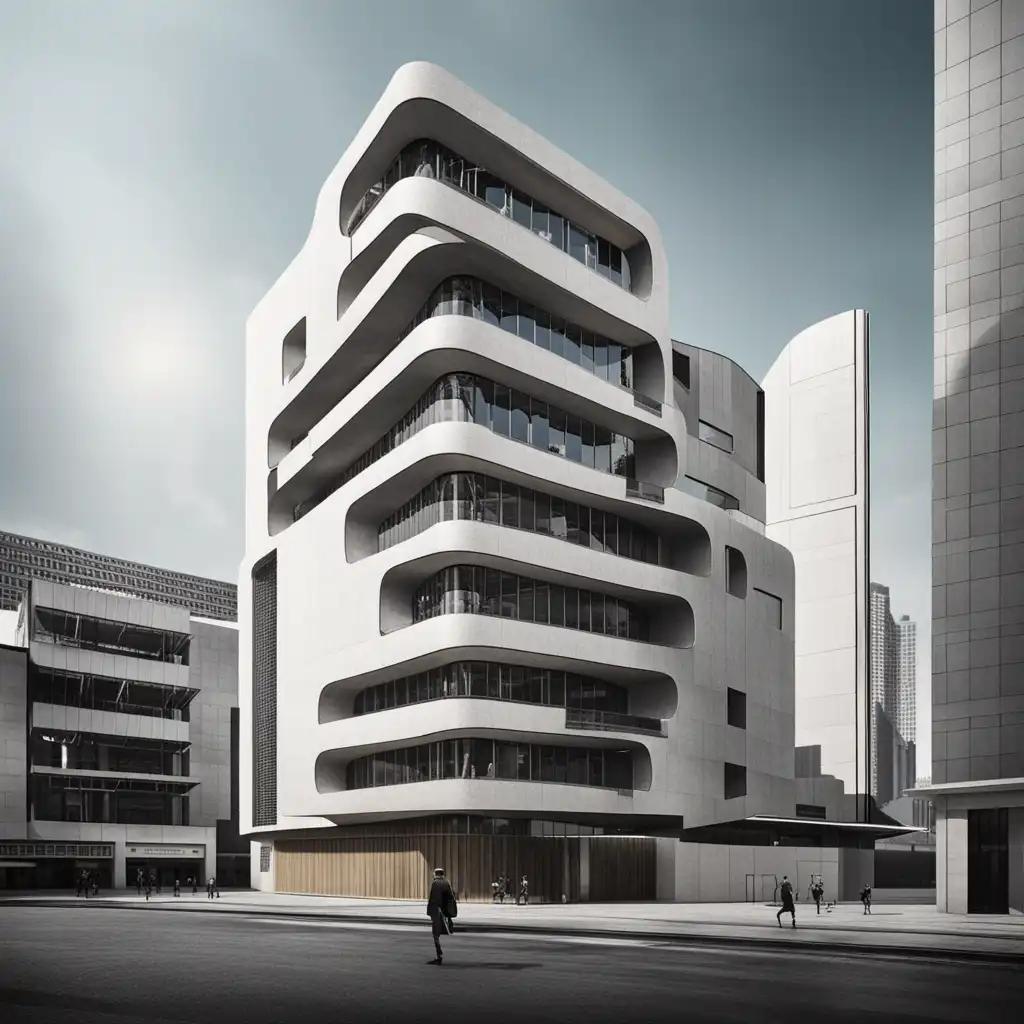
The word 'modernist' is used to describe someone or something that is modern, progressive, and innovative in their ideas, attitudes, or style. It is often used in art, literature, architecture, and design to refer to a particular movement or style that emerged during the late 19th and early 20th centuries. For example, a modernist building would be one that is designed with clean lines, minimal ornamentation, and functional features. In general, the term 'modernist' implies a break with tradition and a willingness to experiment with new forms and ideas.
Contemporary typically refers to something that is happening or existing right now, while modernist refers to a style or movement in art, literature, or architecture that emerged in the early 20th century.
Contemporary can be applied to anything that is current or up to date, while modernist usually refers to things that are characterized by radical experimentation, abstraction, and a rejection of traditional forms.
For example, a contemporary art exhibit might showcase works from recent years, while a modernist art exhibit might focus on artists from the early 1900s who were breaking new ground with their ideas and techniques.
Conventional refers to something that is traditional or established, while modernist refers to something that is contemporary or innovative.
The term conventional is typically used to describe things that follow long-established norms or practices, while modernist describes things that represent a departure from traditional norms or practices, often characterized by a focus on experimentation and new ideas.
For example, a conventional wedding might involve a ceremony in a church and traditional attire, while a modernist wedding might take place in a non-traditional setting with unique decorations and unconventional attire.
Experimental refers to something that is new and innovative, typically outside of traditional norms or conventions, and may involve trial and error in order to determine its effectiveness.
Experimental refers to something new that deviates from traditional norms, while modernist is a specific artistic movement characterized by rejection of traditional values in favor of experimentation.
Innovative means something new and creative that brings a positive change in something. It refers to a new idea, method, or product that improves upon what already exists.
So, while both words reflect a sense of novelty and fresh thinking, innovative emphasizes more on the idea or product aspect, while modernist emphasizes more on the person or their approach to things.
Progressive refers to people who advocate for social and political change to make society more equal, just, and democratic.
While both terms signify a desire for change, modernists are more focused on challenging artistic and cultural norms, while progressives focus on political and social issues.
I want an ending that's satisfying. I'm more of a classical writer than a modernist one in that I want the ending to be coherent and feel like an ending. I don't like when it just seems to putter out. I mean, life is chaotic enough.
If modernist naturalism were true, there would be no objective truth outside of science. In that case right and wrong would be a matter of cultural preference, or political power, and the power already available to modernists ideologies would be overwhelming.
On 'Overpowered,' there was a nostalgia for disco and early house music. But I'm a modernist and futurist as well. I do believe - and this is going to sound really pretentious, I know - that humanity will figure it out, so I'm optimistic about the future.
I'm often called an old-fashioned modernist. But the modernists had the absurd idea that architecture could heal the world. That's impossible. And today nobody expects architects to have these grand visions any more.
Cooking is an art, but all art requires knowing something about the techniques and materials. Using modernist techniques, you get more control, and that allows you to be more artistic, not less!
I grew up in a modernist house, in a modernist culture. There was a love for modernism everywhere - the furniture, the books, the food, even the cutlery. So I learned very early to appreciate the value of design and the value of architecture.