
displease
verb displease
dɪsˈpliːz
To make someone unhappy or annoyed
It would displease me if you arrive late to the meeting.
displease
dɪsˈpliːz
Loading…
dɪsˈpliːz
To make someone unhappy or annoyed
It would displease me if you arrive late to the meeting.

dɪsˈpliːz
To cause to feel disapproval, dislike, or annoyance
Your careless actions could displease your parents.
dɪsˈpliːz
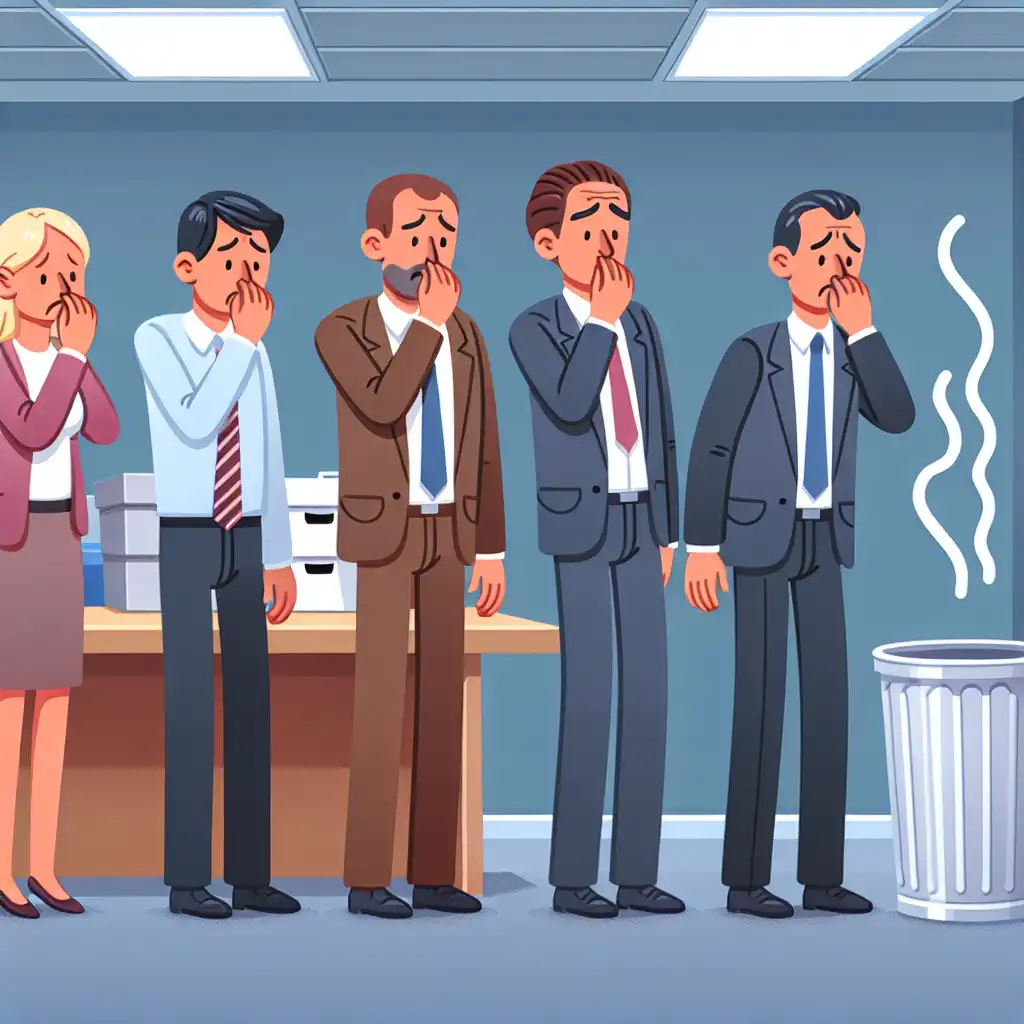
To be unpleasant to someone
The smell of the room will displease the guests.
Audio could not be loaded. Please try again later.
The word 'displease' means to make someone unhappy or upset. It can be used in situations where someone's actions or words have made another person feel uncomfortable or irritated. For example, if a student is consistently late to class, it may displease their teacher. Or, if a friend cancels plans at the last minute, it may displease their companion. The word is often used in more formal or serious settings and carries a stronger sense of dissatisfaction than simply being annoyed or unhappy.
Aggravate means to make something worse or more intense.
It describes situations where something makes a problem bigger or causes more issues. For example, if someone has a headache and then they listen to really loud music, it might aggravate the headache and make it worse.
Aggravate means to make something worse, and displease means to not be pleased with something.
Open word: Aggravate →Anger means to feel a strong emotion or resentment towards something or someone.
Anger is stronger and usually directed towards a specific person or situation, while displease is milder and more generalized in its application.
Open word: Anger →Annoy means to bother or irritate someone to the point that they become frustrated or angry. Annoyance is more of a temporary feeling caused by something irritating, like a loud noise or someone tapping their foot.
Annoy is a temporary feeling caused by something irritating, while displease is a more long-lasting feeling of being unhappy or unsatisfied.
Annoy is more applicable for situations where something is irritating or frustrating, while displease is more applicable for situations where someone is unhappy or unsatisfied with a specific outcome or experience.
Open word: Annoy →Irritate means to cause annoyance or frustration. It is applicable when something is bothering or annoying someone, usually in a repetitive or persistent manner.
In simpler terms, displease is when someone is not happy with a situation, while irritate is when someone is annoyed by something.
Open word: Irritate →Offend means to cause someone to feel upset or hurt, often because of something that is seen as a personal insult.
Displease is used in more neutral situations, while offend is used in situations where there is a more personal or emotional connection involved.
For example, someone may be displeased if their food is not cooked properly, but they may be offended if someone makes a comment about their appearance.
Open word: Offend →Perturb means to cause someone to feel anxious, unsettled, or disturbed.
In summary, while both words describe negative emotions, displease is for minor irritation, and perturb is for a more serious disturbance.
Open word: Perturb →Ruffle has a more intense connotation, which means to agitate, disturb or upset. An example of its usage is: "The loud music began to ruffle my nerves," or "The bad news seemed to ruffle her calm demeanor.".
Both words are related to negative emotions but differ in terms of their severity. Displease is caused by minor annoyances, while ruffle can indicate a deeper degree of agitation or disturbance.
Open word: Ruffle →Vex means to cause someone to feel irritated or frustrated. For example, if someone is constantly interrupting you when you're trying to talk, it might vex you and make it hard for you to concentrate.
Both words are used to describe negative emotions, but displease is more commonly used to describe a mild annoyance, while vex describes a stronger feeling of irritation.
Open word: Vex →Creature Cures %\PIPE%...
Watch on YouTube ↗If we have been pleased with life, we should not be displeased with death, since it comes from the hand of the same master.
Why did this Leopard...
Watch on YouTube ↗We tend to run our whole life trying to avoid all that hurts or displeases us, noticing the objects, people, or situations that we think will give us pain or pleasure, avoiding one and pursuing the other.
Kimberley Motley: How I...
Watch on YouTube ↗That you may retain your self-respect, it is better to displease the people by doing what you know is right, than to temporarily please them by doing what you know is wrong.
Pictures and shapes are but secondary objects and please or displease only in the memory.
In the misfortunes of our best friends we always find something not altogether displeasing to us.
It is a poor sermon that gives no offense; that neither makes the hearer displeased with himself nor with the preacher.
My parents have put in a lot of efforts for me. Whatever I am and wherever I am is because of them. I won't do anything to displease them.
My parents were intelligent and encouraging, but at the same time, they were displeased at me becoming a wandering troubadour and wire walker.
When I was first exposed to the films of Ingmar Bergman, I found them frank and disturbing portraits of the world we live in, but that was not something that displeased me. They were beautiful. I thought people would respond to my plays the way I responded to Bergman's films.
I had displeased the jacobins by blaming their aristocratic usurpation of legitimate powers; the priests of all sorts by claiming religious liberty; the anarchists by repressing them; and the conspirators by rejecting their offers.