boogie
noun boogie
ˈbʊɡi
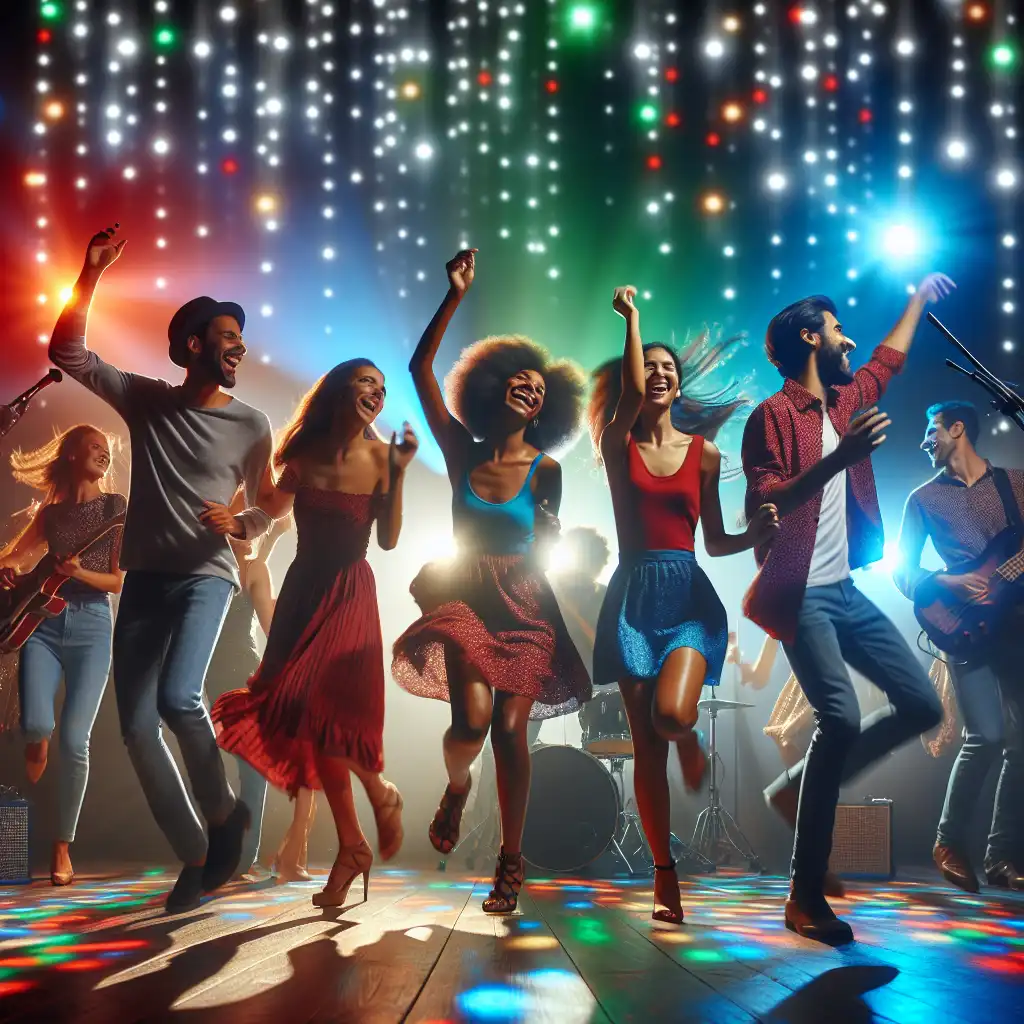
A style of dancing that is energetic and fun, often done to pop, rock, or blues music.
They danced the boogie all night long at the party.
boogie
ˈbʊɡi
Đang tải…
ˈbʊɡi
A style of dancing that is energetic and fun, often done to pop, rock, or blues music.
They danced the boogie all night long at the party.
ˈbʊɡi
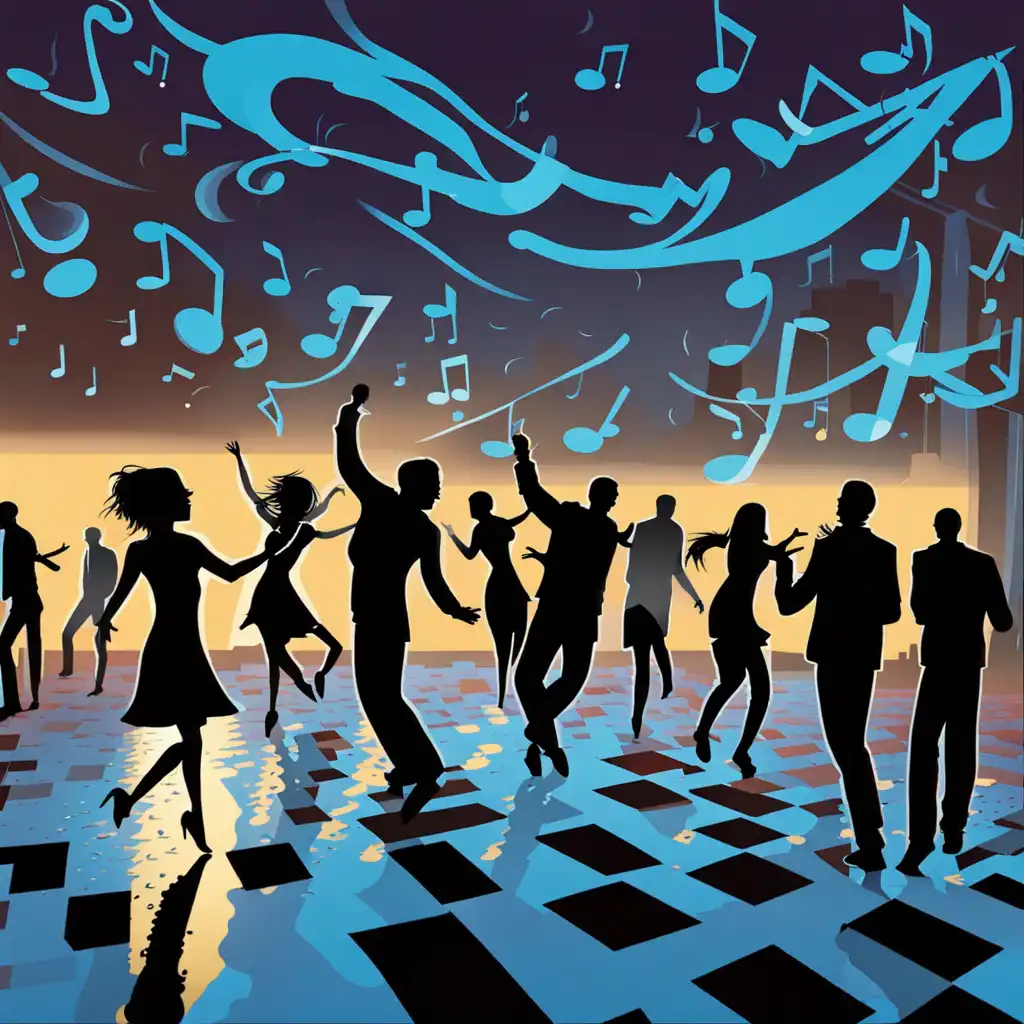
To dance energetically and joyfully, often to pop, rock, or blues music.
They were boogieing on the dance floor until the early morning hours.
ˈbʊɡi
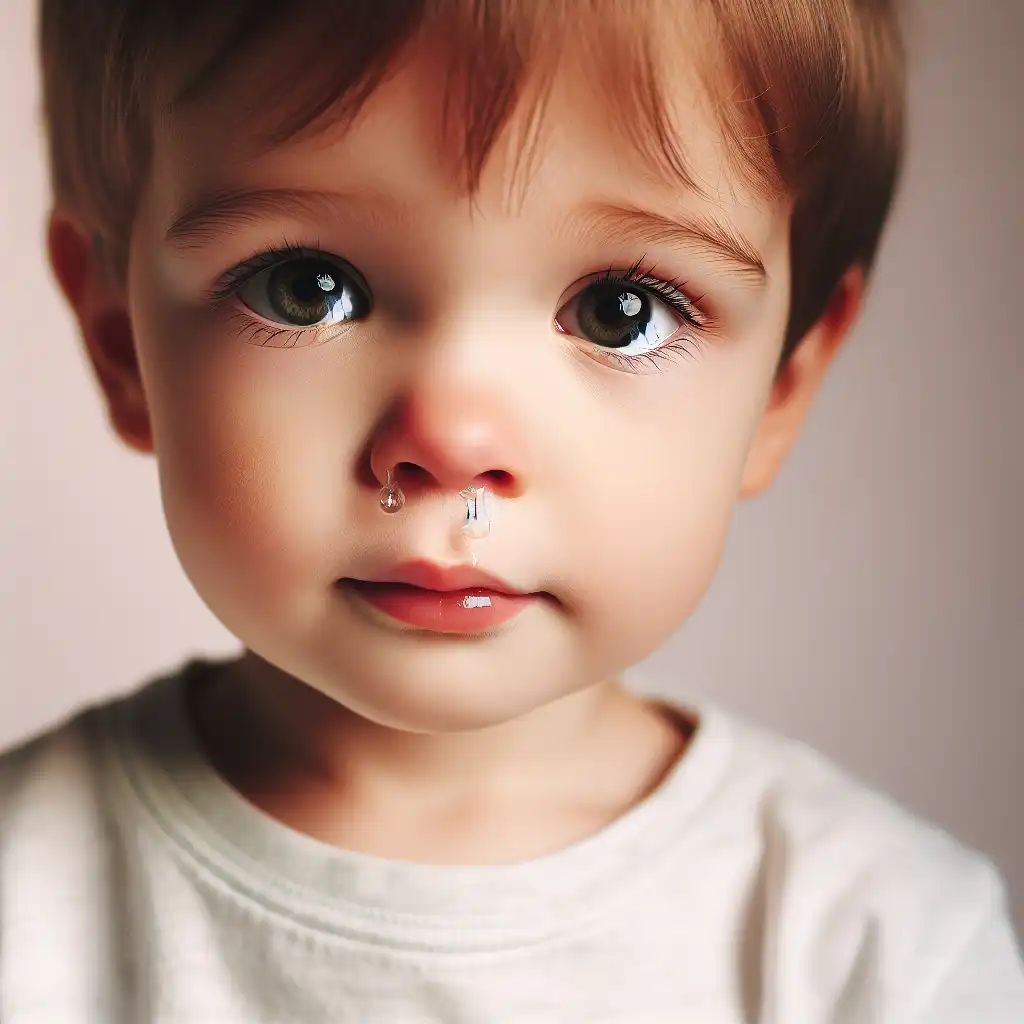
Mucus from the nose, also called 'snot'.
The child had a boogie hanging from his nose.
Không tải được âm thanh. Vui lòng thử lại sau.
The word "boogie" is a slang term that means to dance in a lively way, usually to upbeat music. You can use it when talking with friends about going to a party or club where there will be music and dancing. For example, "Let's go boogie tonight!" or "I love boogying to disco music." It's also used in phrases like "boogie down" which means to let loose and have a good time.
Boogie and bop are both words that refer to styles of dance and music that were popular in the mid-20th century. Boogie usually refers to a style of dance and music that features a prominent bassline and a driving beat that encourages dancers to move their hips and feet in a rhythmic fashion.
Bop, on the other hand, usually refers to a more complex and intricate style of dance and music that requires a higher level of skill and coordination.
It is often played at parties and social gatherings and can be a fun way to let loose and have a good time. Bop, on the other hand, is usually reserved for more formal dance settings and is typically enjoyed by more serious enthusiasts who have a deeper appreciation for the complexity and nuance of the music and dance.
Mở từ: Bop →Boogie typically refers to a specific style of dance that originated in the 1970s and involves a lot of hip and leg movements to the rhythm of funk or disco music.
Dance is a more general term that can refer to any movement in response to music, including ballet, ballroom, contemporary, or even just moving to the beat of your favorite song.
Dancing can be done anywhere, from a formal dance floor to your living room.
Boogie is a specific type of dance that's often associated with a particular era and genre of music, while dance is a broad term that encompasses all forms of movement to music.
Mở từ: Dance →Boogie and groove are both words used to describe a rhythmic pattern in music, but they have different applications.
Groove is a more general term used to describe any type of rhythm that feels good and is easy to dance to.
A groove can be found in many different styles of music, including funk, soul, R&B, and even some rock and pop songs.
A groove is usually characterized by a steady, consistent beat with a natural sense of flow and movement.
Boogie refers to a specific type of rhythm found in certain styles of music, while groove is a more general term used to describe any type of rhythm that feels good and is easy to dance to.
Mở từ: Groove →Both boogie and jive are styles of dance that originated in the United States in the early 20th century.
Jive is a faster and more energetic form of swing dance that is often performed to rock-and-roll or big band music. It involves lots of kicks and flicks, and is typically danced in a more open position (with partners standing side-by-side).
Jive is often seen as a more competitive dance style, and is frequently performed in ballroom dance competitions.
Boogie is a general term for an upbeat dance style, while jive is a specific form of swing dance characterized by fast footwork and energetic movements.
Mở từ: Jive →Boogie and rhythm are both music terms, but they have different meanings.
Rhythm refers to the pattern of sounds and beats in music. It is the underlying structure of a piece of music, and includes things like tempo, timing, and accents.
Rhythm is applicable to any type of music, as it encompasses the basic structure of the song.
Mở từ: Rhythm →Shuffle is a type of dance where the feet are shuffled along to the beat of the music.
It can be done in several different styles, such as the Charleston or the Texas shuffle, and is often associated with swing or jazz music.
Boogie is a dance and music style that involves fast-paced movements and is typically danced to blues or rock and roll music, while shuffle is a type of dance where the feet are shuffled along to the beat and can be done in various styles, often accompanied by swing or jazz music.
Mở từ: Shuffle →Boogie and swing are both genres of music that originated in the United States during the early 20th century. Boogie is a type of blues music that typically features a piano, guitar, and harmonica.
Swing is a type of jazz music that also has a strong beat, but it is typically slower and more melodic than boogie. It features horns and a strong rhythm section, such as a double bass and drums.
Swing music is often associated with the 1930s and 1940s, and it was popular during the swing dance era.
In terms of applicability, boogie is often played at parties and dances where people want to dance and have fun. Swing is also used for dancing, but it is more commonly associated with concerts or other performances.
Additionally, swing is used in films, TV shows, and commercials to evoke a sense of nostalgia for a bygone era.
Mở từ: Swing →Wiggle refers to a small movement back and forth or side to side.
It can refer to any part of the body, such as the fingers, toes, or hips. Wiggle is applicable in any setting where slight movement or fidgeting is involved, such as while sitting in a chair, waiting for a bus, or listening to a lecture.
Mở từ: Wiggle →Boogie at an Animal...
Xem trên YouTube ↗You can learn steps, but you cannot learn how to boogie.
The Medical Heroin...
Xem trên YouTube ↗I still love to see the ballet. And I love to boogie.
Naturally 7 beatbox a...
Xem trên YouTube ↗In a lot of ways knowledge kills fear. Once you know who the boogie man is, once you know what's under the bed, it can still be frightening but that fear of the unknown is gone.
I certainly love a boogie and once the music starts I'm usually one of the first out there on the dance floor.
The Ramones are not an oldies group; they are not a glitter group. They don't play boogie music, and they don't play the blues.
The first thing I learned was the 'St Louis Blues' when I was eight. Both my grandmothers, my mother and uncle played the piano. This was post-war Britain, and they played boogie woogie and blues, which was the underground music of the time.
I think Phillip Schofield would be great on 'Strictly.' He got up on 'This Morning' once with Holly and did a bit of a boogie and he can dance, and he is entertaining, and he is such a nice guy.
We used to play the Savoy Ballroom, and we always had a boogie tune in the set. Bands like Tommy Dorsey used to do a little boogie woogie. The big bands.
When I started, black people were either victims or they were the perpetrators; they were the boogie men who jumped out of the bushes and did terrible things to you.
I belong to an improv group, I play cello, I have these phases - fencing, tae kwon do, baseball, ice hockey, boogie boarding in the summer, snowboarding in the winter.