excreta
noun excreta
ɪkˈskriːtə
Waste material that a living being removes from its body, especially its feces and urine.
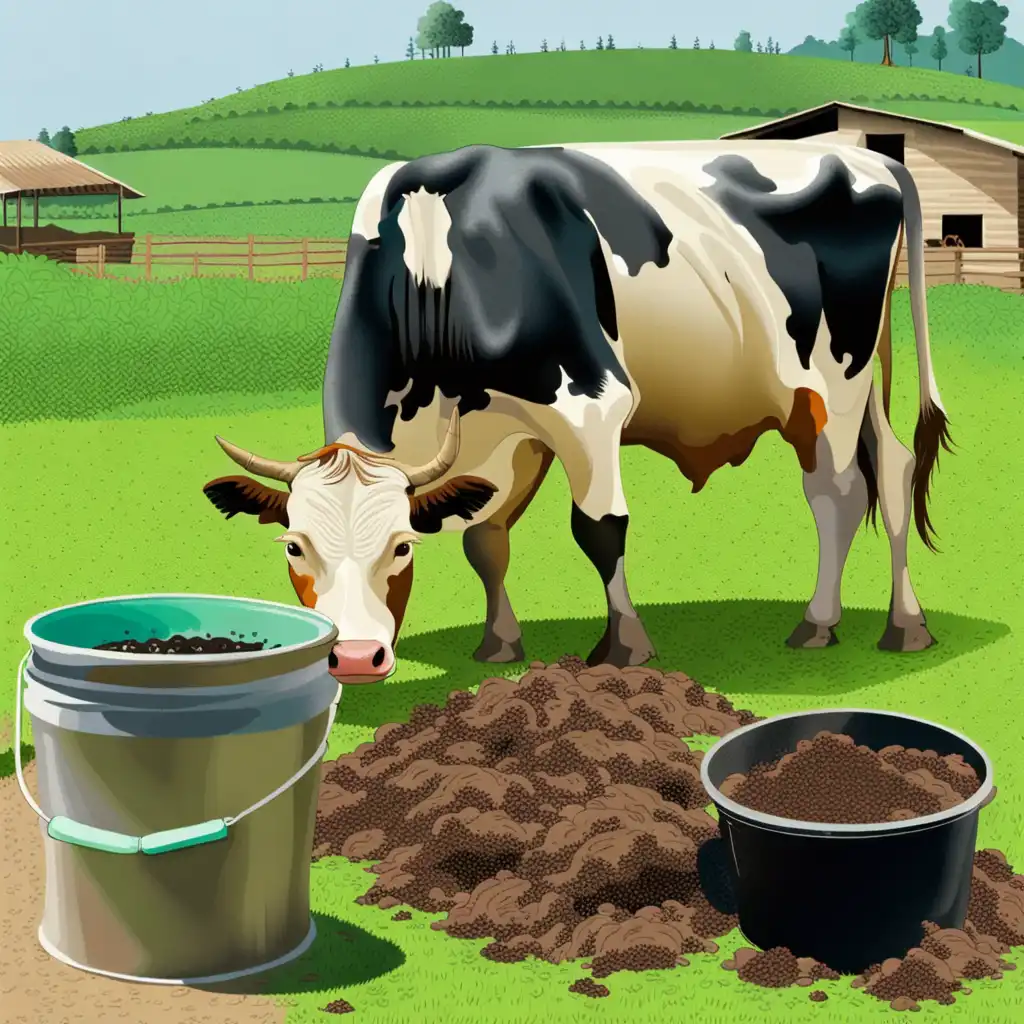
The fertilizers are produced from animal excreta.
excreta
ɪkˈskriːtə
Chargement…
ɪkˈskriːtə
Waste material that a living being removes from its body, especially its feces and urine.
The fertilizers are produced from animal excreta.
Impossible de charger l’audio. Réessayez plus tard.
Excreta is a word used to refer to waste materials that are produced by humans or animals. It includes things like urine, feces, and other bodily fluids that are released from the body. This word may be used in a scientific or medical context when talking about bodily waste and hygiene. For example, a doctor might ask a patient about their excreta to help diagnose a medical condition.It's important to note that this word is not commonly used in everyday conversations, and it may be considered a more formal or technical term. In day-to-day life, people might simply say "waste" or "bodily fluids" instead of using the word excreta.
Dung and excreta are both terms used to refer to animal waste, but they are not exactly the same thing.
Dung specifically refers to the solid waste of animals, usually in the form of feces. It is commonly used in reference to livestock waste, such as cow dung or horse dung.
Dung is a more specific term, while excreta is a more generalized term that includes a wider range of waste materials.
Ouvrir le mot: Dung →Both words refer to waste matter expelled by the body. Excrement usually refers to the solid waste matter expelled from the body, such as feces.
Ouvrir le mot: Excrement →Both excreta and feces refer to waste matter that the body excretes.
However, excreta is a broader term that includes all bodily fluids and wastes, while feces specifically refers to the solid waste matter that is expelled from the anus.
For example, urine, sweat, and feces are all considered different types of excreta.
Feces, on the other hand, is a more commonly used term in everyday language when referring to poop. It is frequently used in discussions about animal and human waste management, as well as in medical contexts when discussing digestive issues.
Excreta is a broader term that includes all bodily waste matter, while feces specifically refers to solid waste matter expelled from the anus.
Ouvrir le mot: Feces →Manure specifically refers to animal excrement that is used as fertilizer for crops.
Excreta can be found in the environment and can pose health risks if not properly disposed of, while manure is intentionally collected and used as a beneficial resource for agriculture.
Ouvrir le mot: Manure →Excreta refers to the waste material that comes out of our bodies, such as urine and feces. Sewage refers to the mixture of excreta and water that is flushed down the toilet, as well as other waste water from homes and businesses.
Excreta is applicable when referring specifically to the waste material produced by humans and animals. Sewage is applicable when referring to the waste water that is collected and treated by sewage treatment plants before being released back into the environment.
In simpler terms, excreta is the waste that comes out of our bodies and sewage is the waste water that includes excreta and other waste from our homes and businesses.
Ouvrir le mot: Sewage →Both excreta and stool refer to waste material that is expelled from the body, specifically from the digestive system.
Stool specifically refers to the solid waste material that is eliminated during a bowel movement. In everyday language, people tend to use the word stool more frequently than excreta because it is a more commonly used term.
Ouvrir le mot: Stool →Excreta is a term used to refer to bodily wastes that are eliminated or excreted from the body. This includes urine, feces, and sweat.
This term is typically used to describe biological waste specifically.
Waste is a more general term that refers to any unwanted or discarded material. This may include food waste, paper waste, plastic waste, and other types of materials that are no longer useful or desired.
Excreta refers specifically to biologically-produced waste, while waste can refer to any unwanted or discarded material.
Ouvrir le mot: Waste →Why We Need To Talk Shit...
Voir sur YouTube ↗Along with all the other stunning statistics China can provide, it can also claim to be the world leader in making energy from human excrement. Biogas, as this energy is known, can be produced from the fermentation of any organic material, from wood to vegetables to human excreta.
Civilization is the distance man has placed between himself and his excreta.