Impossible de charger l’audio. Réessayez plus tard.
Comment l’utiliser
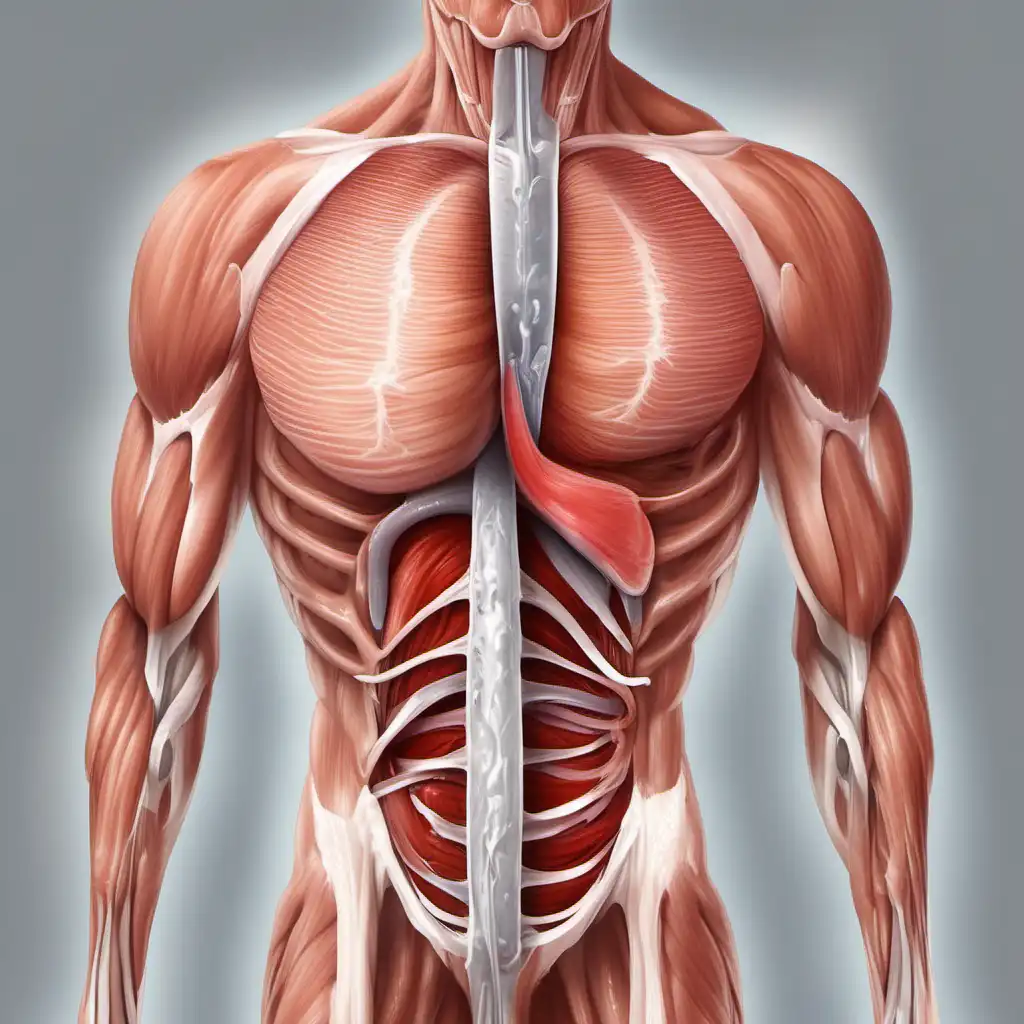
The word "sphincter" refers to a circular muscle that helps control the flow of things in the body. It can be found in different parts of the body, like the anus, which helps control bowel movements, or the bladder, which helps control the flow of urine. It's a medical term that is used by doctors or in anatomy classes, but it's not a word that you would typically use in everyday conversation unless you work in the medical field or are discussing a medical issue.
Aperture and sphincter are both terms used to describe an opening or passage in the body, but they differ in their location and function.
Aperture refers to any opening or hole, whereas sphincter specifically refers to a circular muscle that constricts and relaxes to control the opening and closing of a passage or opening.
Aperture is a more general term that can be used to refer to any type of opening, such as the aperture in a camera lens, the aperture of a volcano, or the aperture of a door.
Aperture can describe any type of opening, while sphincter specifically refers to circular muscles that control the opening and closing of a passage.
An orifice is an opening or hole in the body, while a sphincter is a muscular ring that can open or close the orifice. An orifice is a passive structure, whereas a sphincter is an active structure that controls the passage of substances through the orifice.
For example, the mouth is an orifice through which food enters the body, while the anal sphincter controls the passage of fecal matter out of the body.
Another example is the bladder sphincter, which controls the release of urine through the urethral orifice.
In general, orifices are more broadly applicable to any opening or hole in the body, while sphincters are specifically related to muscles that control the opening or closing of those orifices.
An outlet is a general term used to describe any opening or point through which something can flow out or be released, such as an electrical outlet or a sewer outlet.
In summary, outlets are general terms for any opening through which substances can flow, while sphincters are specific muscles that control the flow of substances through certain openings in the body.
But under normal circumstances, your decision to urinate stops the brain's signal to the external urethral sphincter, causing it to relax and the bladder to empty. The external urethral sphincter is one of the muscles of the pelvic floor, and it provides support to the urethra and bladder neck. It's lucky we have these pelvic floor muscles
Us humans are actually one of the very few animals that do this in such an advanced and clean way. To be honest I had some newfound respect for that nice inner sphincter dude --