Audio could not be loaded. Please try again later.
How to use
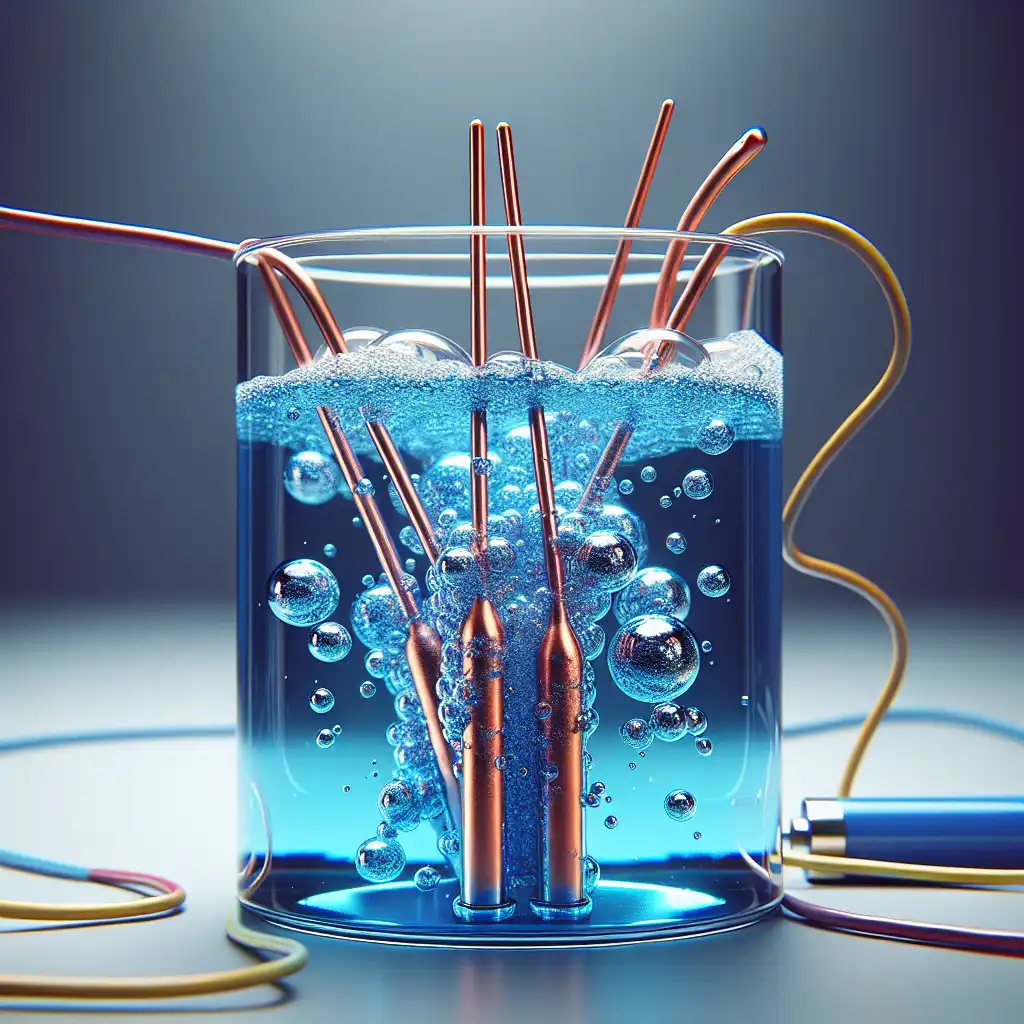
The word 'electrolytic' refers to a process or substance that involves an electric current passing through a liquid or a solution. An example of an electrolytic substance is water, which can be split into its components through an electrolytic process. Electrolytic is often used in chemistry and engineering, and it can help to understand the basic principles of electricity and chemical reactions.
Catalytic refers to something that helps speed up a chemical reaction without being consumed or changed in the process.
A catalyst is a substance that can do this. For example, the catalytic converter in a car helps to convert harmful exhaust gases into less harmful ones.
In short, both words refer to chemical processes, but catalytic refers to something that speeds up a reaction without being consumed, while electrolytic refers to a process that involves the use of electricity to bring about chemical change.
Conductive refers to the ability of a material to allow electricity to flow through it. This means that a conductive material is able to carry electrical signals, such as wires or metal objects.
Conductive materials are applicable in electrical devices such as circuit boards and wiring.
This process is typically used for breaking down compounds, such as purifying metals or producing chemicals. By contrast, galvanic refers to a type of chemical reaction that occurs spontaneously between two different metals in contact with each other, producing an electric current.
This process is typically used in batteries and other electrochemical devices to generate electricity. Electrolytic reactions require electricity to force a reaction, while galvanic reactions occur naturally when two metals are in contact.
Oxidation is a chemical reaction where a substance loses electrons. This often involves the substance coming into contact with oxygen, but can also happen through other means.
So while both terms involve chemical reactions, electrolytic refers specifically to the use of electricity, while oxidation refers to a type of chemical reaction.
Since hydrogen is a constituent of most of our electrolytic solvents, the definition of an acid or base as a substance which gives up or takes up hydrogen ion would be more general than the one we used before, but it would not be universal.