grave
noun grave
ɡreɪv
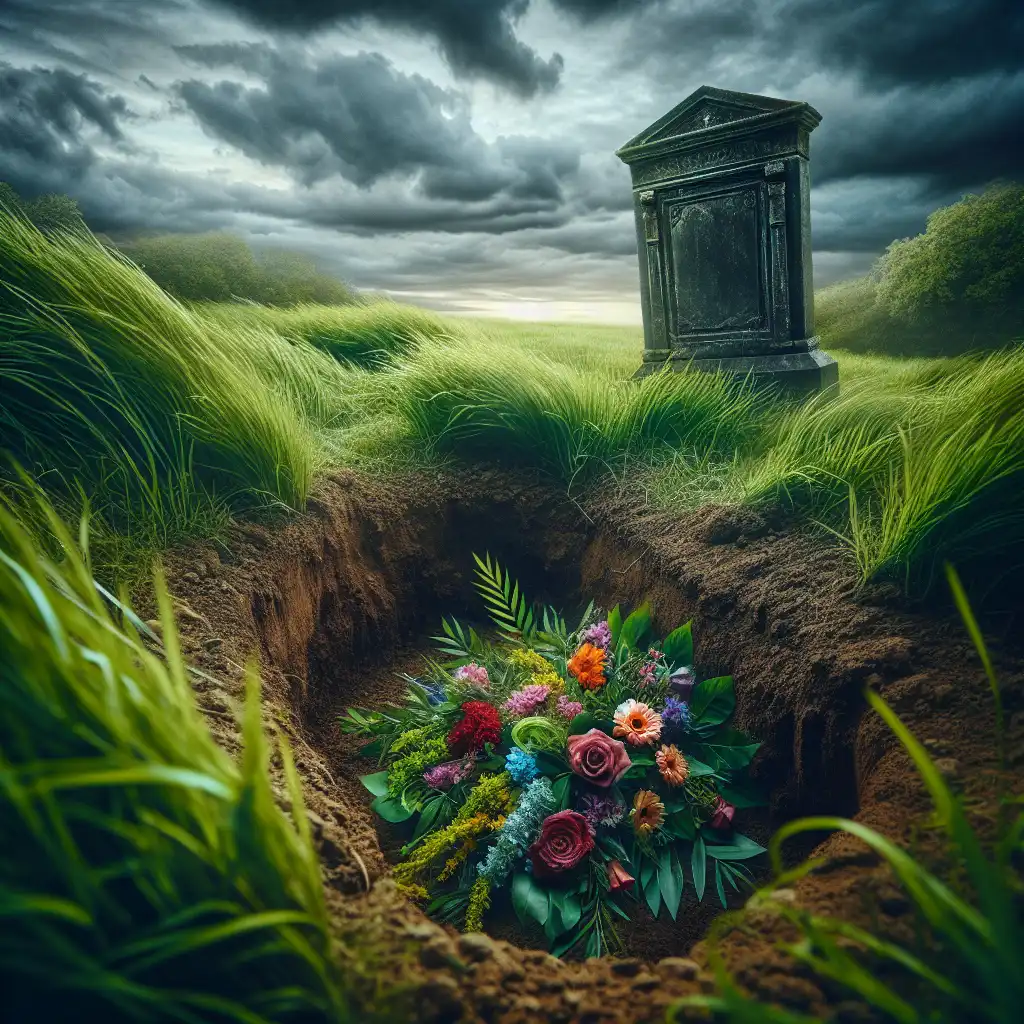
A hole dug in the ground where a dead person is buried.
My grandfather was buried in the family grave.
grave
ɡreɪv
読み込み中…
ɡreɪv
A hole dug in the ground where a dead person is buried.
My grandfather was buried in the family grave.

ɡreɪv
Serious, important and causing worry.
The doctor has grave concerns about his health.
ɡreɪv
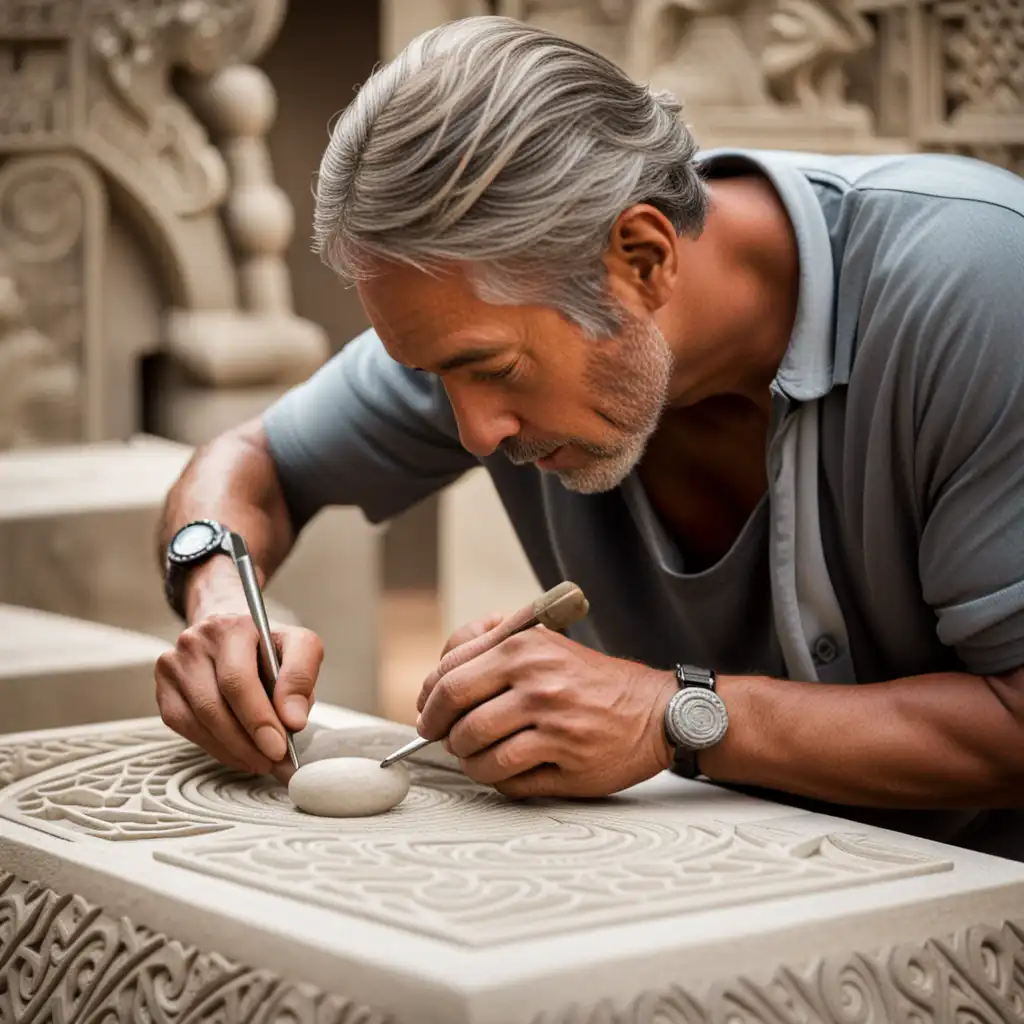
To carve or sculpt design or letters onto a hard surface.
He spent many hours graving the stone.
ɡreɪv
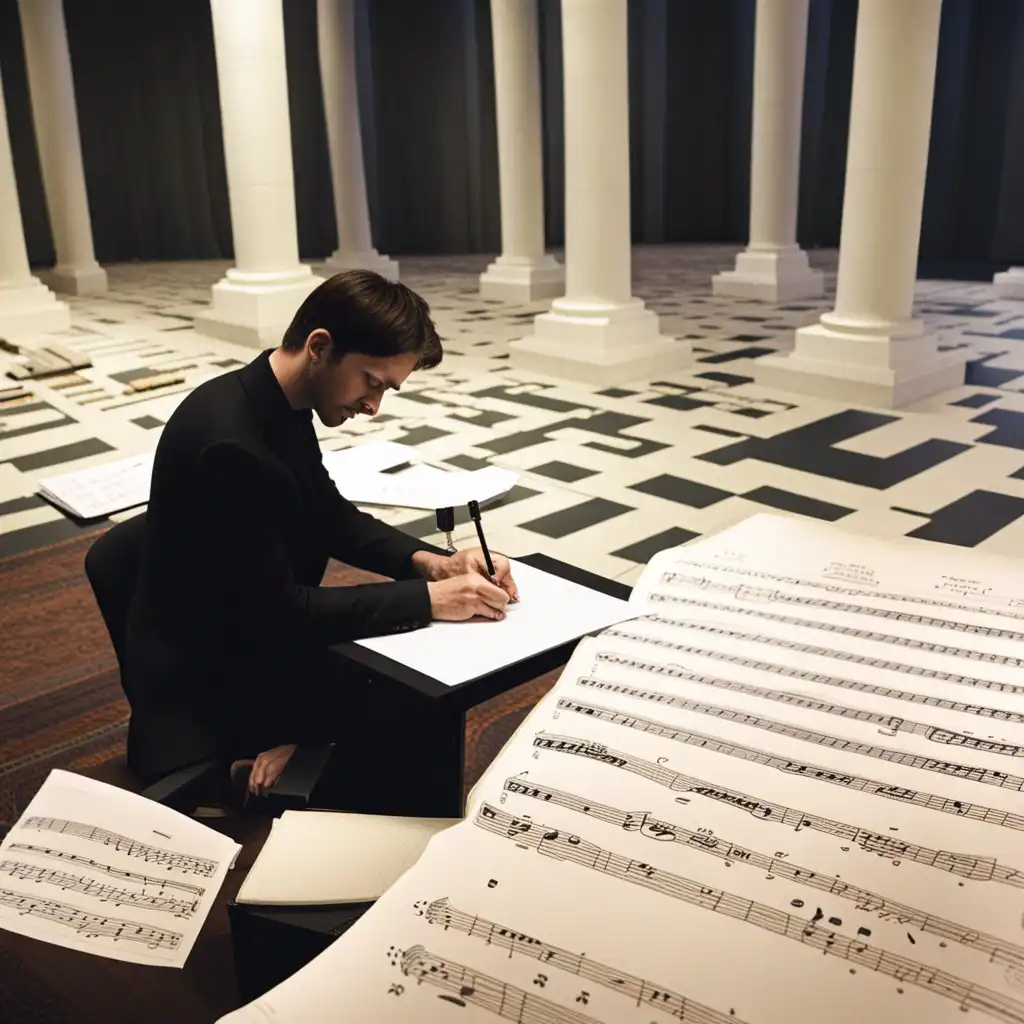
A term used in music to indicate a slow and solemn tempo.
The composer wrote 'Grave' at the beginning of the piece.
音声を読み込めませんでした。しばらくしてからもう一度お試しください。
The word 'grave' is often used to describe a serious or important situation or matter. For example, if someone is in a grave situation, it means they are in a very serious and possibly dangerous situation. It can also refer to a burial site where people are laid to rest after passing away. It is important to use this word carefully and appropriately depending on the context of the situation or conversation.
A cemetery is a place where multiple graves are located, usually for multiple families or individuals. It is a larger, more organized area where people are buried or cremated.
It can be located within a cemetery or in a more isolated location.
A cemetery is a larger location where graves are located while a grave is the specific spot where an individual is buried.
単語を開く: Cemetery →A crypt is an underground room where people are often buried in tombs or caskets.
The main difference is that a crypt is an indoor, underground room used for burials, while a grave is an outdoor, excavation in the ground used for burials.
Crypts are typically found in religious buildings, while graves are found in cemeteries or other designated burial locations.
単語を開く: Crypt →A grave is typically a hole dug in the ground where a deceased person is buried. It is a final resting place and is usually marked with a headstone or marker to commemorate the person's life.
A hole is a general term for a hollow space that may be dug or naturally occurring.
It can be used for a variety of things, such as digging a hole in the ground to plant a tree or creating a hole in a wall for a door or window.
The main difference between the two words is that a grave is specifically used for burying deceased persons, while a hole can refer to any hollow space, and can be used for a wider range of purposes.
単語を開く: Hole →A mausoleum is a building or structure where one or more dead bodies can be stored or buried. Mausoleums are typically used for wealthy or important individuals and can contain multiple chambers or vaults.
A grave is a simple hole dug in the ground for one body, while a mausoleum is a structure for multiple burials, usually used for wealthy people.
単語を開く: Mausoleum →A pit is a hole or cavity in the ground that is usually dug for a specific purpose such as mining, excavation or dumping waste.
Pits are not used for burying bodies and generally have no markings or special designations.
In simpler terms, a grave is a specifically designed and marked location for burying a body, while a pit is just a hole in the ground that serves a specific purpose.
単語を開く: Pit →A sepulchre is a burial vault or a small room where dead bodies are placed. It is applicable in grand and elaborate burials such as in mausoleums or tombs.
Grave is used for burials underground while sepulchre is used for elaborate burials such as in mausoleums or tombs.
単語を開く: Sepulchre →A tomb is a structure built to house a dead body or bodies.
It can be above ground or underground and can have various designs and decorations. Tombs are typically more elaborate and expensive than graves and are usually associated with wealthy or important individuals.
A grave is a simple burial site, while a tomb is a more elaborate structure built to house a dead body.
単語を開く: Tomb →A trench is a long, narrow hole dug in the ground, usually for military or engineering purposes. It could be used to provide shelter, protect soldiers from enemy fire, or to lay pipes or cables.
The main difference is that a grave is used for burying the dead, while a trench is used for various other purposes like construction, warfare, or agriculture.
単語を開く: Trench →is a capacity even more important than their sense of empathy altruism and justice. Elephants are the only non-human animals to mourn their dead, performing burial rituals and returning to visit graves.
YouTube で見る ↗You have come into a hard world. I know of only one easy place in it, and that is the grave.
bodies here in the Philippines caring for graves isn't a matter of placing flowers once a year and that's what makes it possible for the cemeteries residents to live here many people want
YouTube で見る ↗On my back, I have the cross and angel wings: rise above it, no matter what life throws at you. And also, you know, Jesus rose from the grave.
and go out on chain gangs and dig graves while members of the public jeer at them, and when those women get out of prison they're going to have criminal records that mean they'll never work in the legal economy again. Now that's a very extreme example obviously in the case of the chain gang, but actually almost everywhere in the world
YouTube で見る ↗We usually say of ancient persons, that they have already one foot in the grave, and the rest of their life is nothing else but the bringing of these feet together.
beyond the grave and you know and I'm trying to get yourself right finding out about other other other ways of looking at this world other than the you know the material then the moral you know and so therefore when you look at it like
YouTube で見る ↗It's never easy with characters in these dark and grave circumstances but that's my job.
all 12 infants confusion reigns if one gets left behind it's sure to be lost forever but if they don't find a new refuge that's out of reach of the stripes then they're in grave danger
YouTube で見る ↗One half of my life has put the other half in the grave.
In Shakespeare's canon, we see Hamlet's indecisiveness lead to a series of bad decisions, or perhaps non-decisions, that culminate in the death of almost every character in the play, and Macbeth's ambition catapults him to the top before sending him careening to his grave.
YouTube で見る ↗Life was a funny thing that happened to me on the way to the grave.
were being carefully placed in a grave some of them are wearing necklaces when they're buried some they play spoons and other offerings in the grave with the dog with the idea I think being essentially for some of them that they had souls they had an afterlife and people loved them so they treated them
YouTube で見る ↗I'm building a career as big as humanly possible so I can be in a 'Star Wars' project. My life goal is to have a character in the 'Star Wars' universe, film or other media. I just want to go to my grave knowing I played some character or some character based on my likeness was part of that world.
Loving elephants as I do, that was the saddest and greatest blunder of my life, and I will carry that to my grave. One good thing did come out of it. It made me absolutely determined
YouTube で見る ↗My mother-in-law said, 'One day I will dance on your grave.' I said 'I hope you do; I will be buried at sea.
toward graves designed to honor the dead, and burial became more common. Sometimes these graves contained practical or ritual objects, suggesting belief in an afterlife
YouTube で見る ↗I love life. I love my friends. I love to eat. Too many things, I love. I am very much an anti-historical character. I am attracted to happy people. Happy people with very grave problems.
he would pay for it with his life. Death and the doctor continued their travels. After some time the king’s messengers came to collect the doctor yet again. The princess was gravely ill,
YouTube で見る ↗Admitting the truth would have meant exposing us all. We spent our first decade in the country learning the ways of the new land and trying to fit in. Having a slave did not fit. Having a slave gave me grave doubts about what kind of people we were, what kind of place we came from.