scene
noun scene
siːn
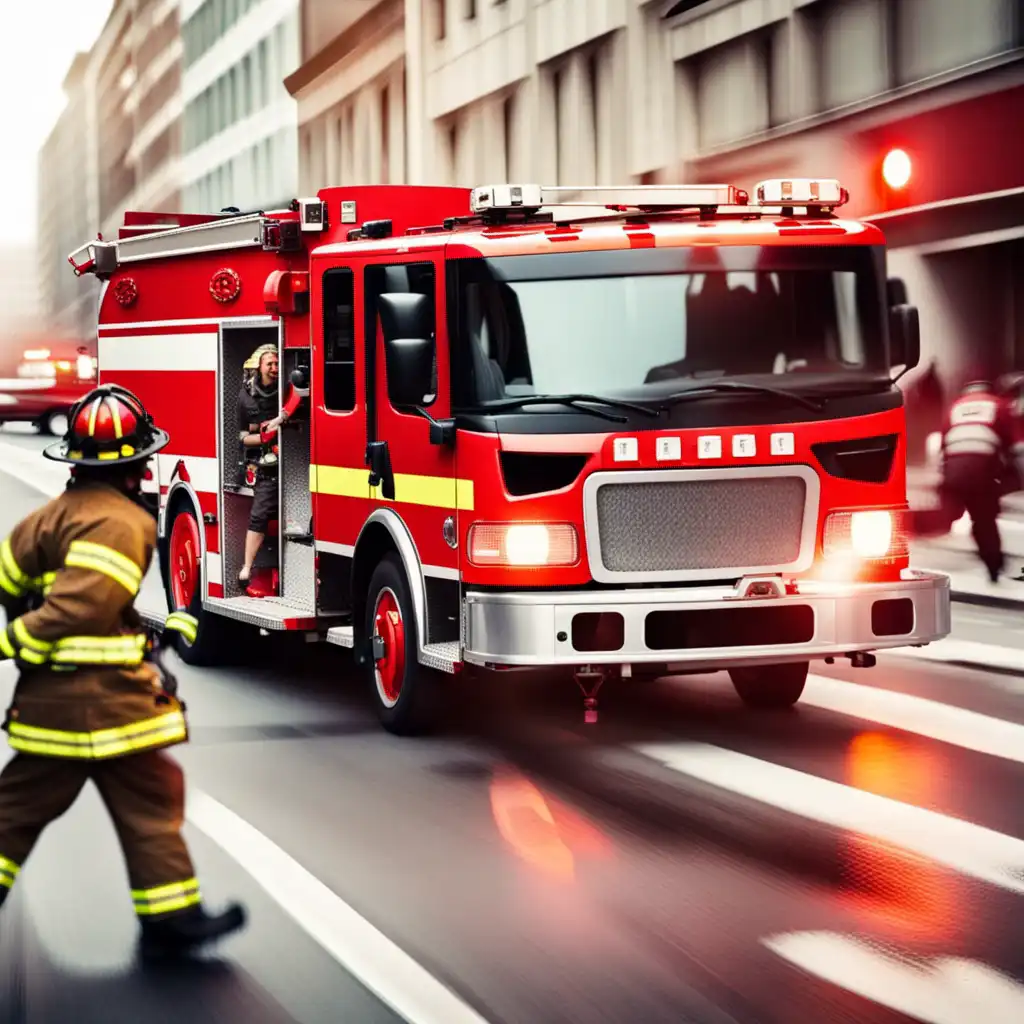
A place where an incident happens
The firemen rushed to the scene of the accident.
scene
siːn
Loading…
siːn
A place where an incident happens
The firemen rushed to the scene of the accident.
siːn
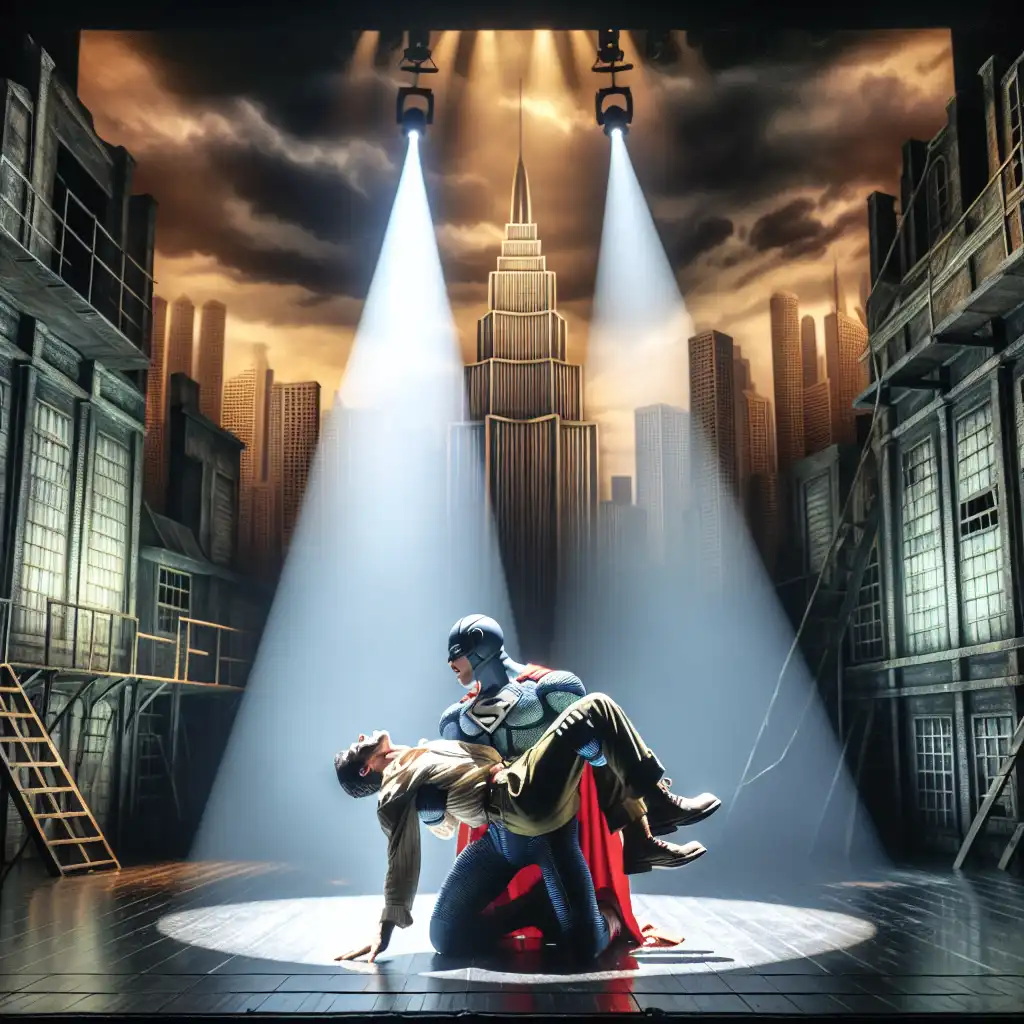
A part of a play, movie, book, etc, that is set in one specific time or place
My favorite scene from the movie was when the hero saves the girl.
siːn
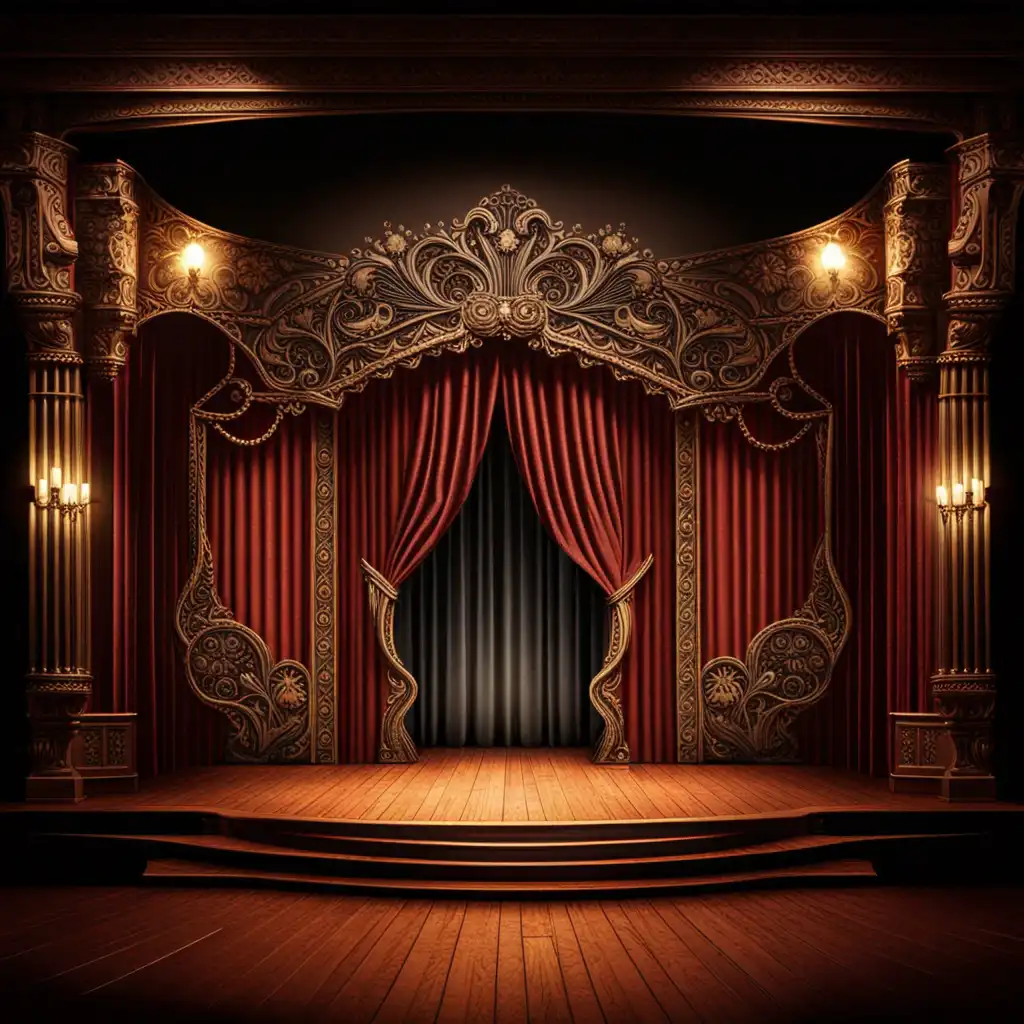
The place and things used for a play, movie, etc
The scenic design for the play was spectacular.
siːn
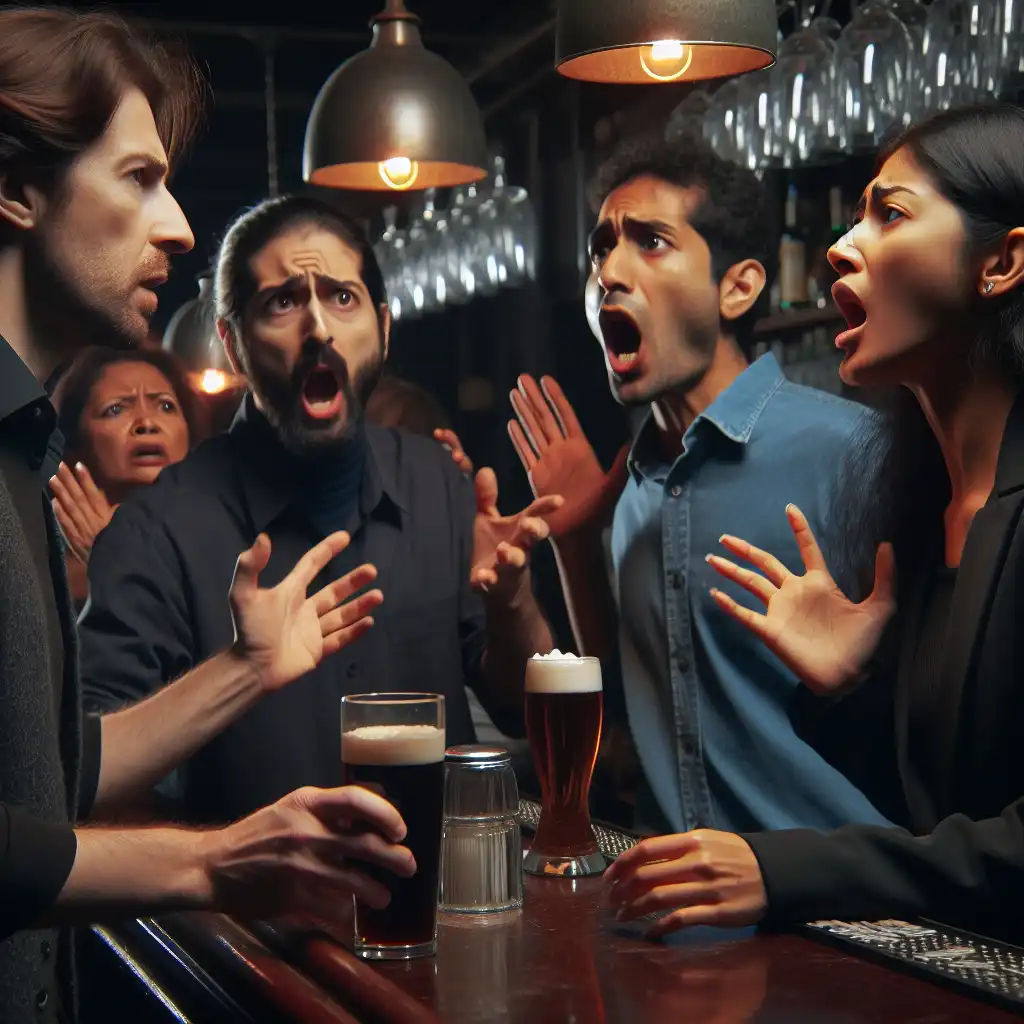
A public disturbance or argument
He made a scene when he was asked to leave the bar.
siːn
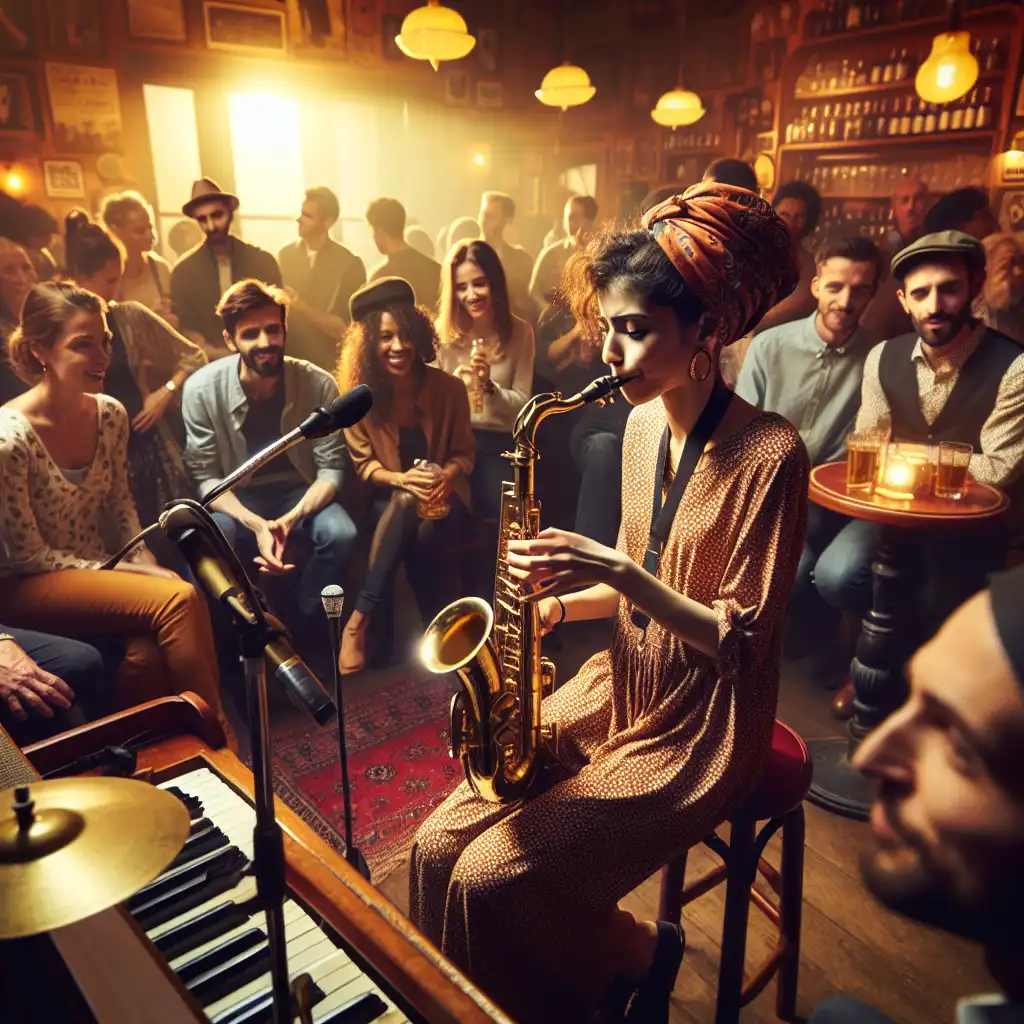
A social setting, or the people involved in specific activities
He is well known in the city's jazz scene.
siːn
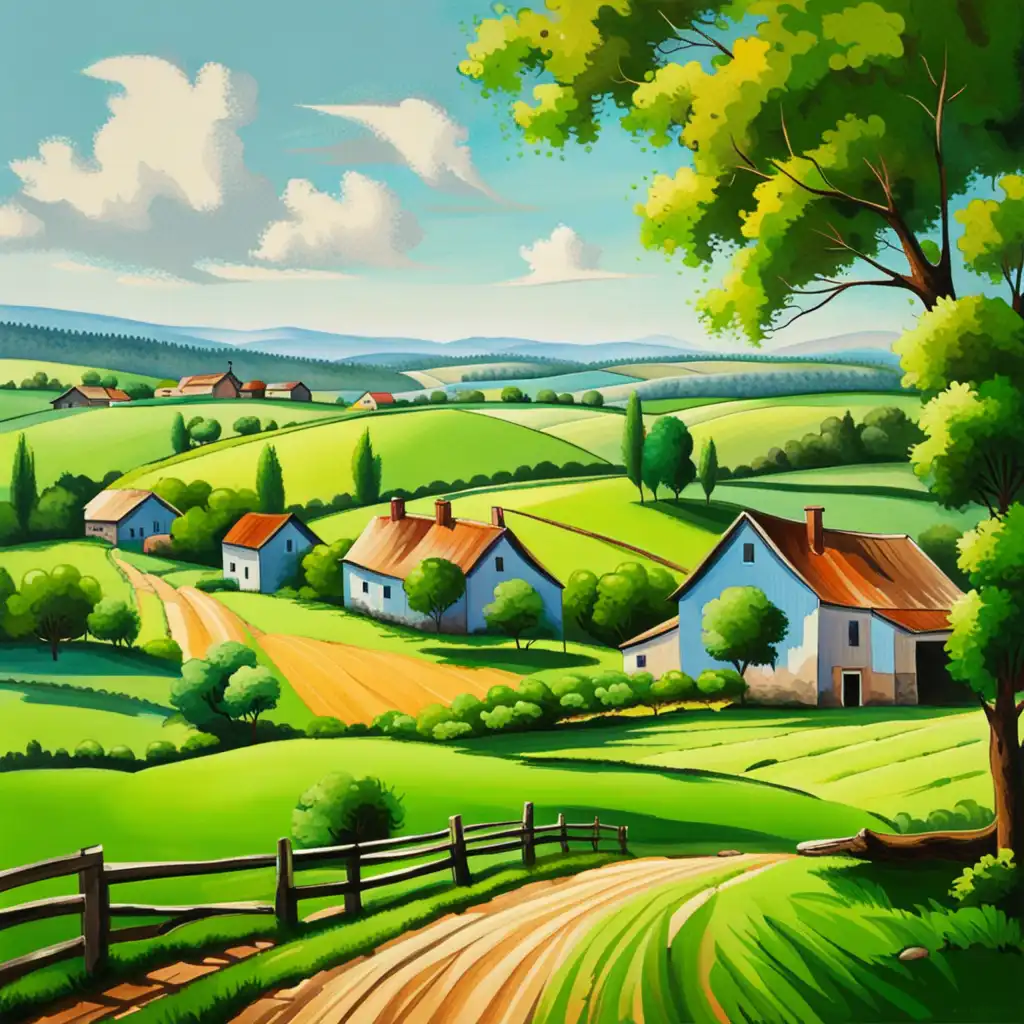
The background for a piece of artwork
His painting depicted a rural scene.
Audio could not be loaded. Please try again later.
The word 'scene' can mean a few different things, but it generally refers to a specific place or situation where something is happening. For example, in a movie, a scene might refer to a particular part of the story that takes place in one location. In everyday life, you might use the word 'scene' to describe a situation that is chaotic or dramatic, like a fight breaking out in a crowded restaurant. You might also use it to talk about a social scene, meaning a group of people who regularly hang out together or attend certain events.Overall, 'scene' is a flexible word that can be used in many different contexts to describe a particular setting or situation.
An act is a large division of a play, similar to a chapter in a book. It is made up of several scenes and serves as a way to separate different parts of the story.
For example, "Romeo and Juliet" is divided into five acts.
A scene is a smaller unit within an act, similar to a paragraph in a book. It is a single location and time in which the story takes place.
It can be used to change the setting, introduce new characters or events, or further the plot.
An act is a larger section of a play, while a scene is a smaller unit within that section.
Open word: Act →An episode is typically used to refer to a larger division of a storyline or a show, such as an entire TV show or a book series, consisting of several chapters or installments.
A scene is a smaller part of that episode or storyline, happening in a specific location or time.
For example, an episode of a TV show could be an hour-long installment with its own plot and resolution, while a scene within that episode could be a conversation taking place in a particular setting, for example, a park or a living room.
In simpler terms, an episode is like a big story, while a scene is a part of that story happening in a specific place or time.
Open word: Episode →Landscape typically refers to a large area of natural scenery, such as mountains or fields, while a scene refers to a particular view or setting within that landscape.
For example, a landscape could be the view of a mountain range or a countryside, while a scene would be a specific part of that landscape, such as a lake or a forest.
Landscape is more commonly used to describe the overall natural surroundings, while scene often refers to a smaller, more specific view or setting within that landscape.
Open word: Landscape →Picture generally refers to a single image or photograph that captures a moment in time.
Scene typically refers to a broader context of a picture which includes everything that is visible within a particular setting.
A scene is more like a snapshot of an event or moment in time that includes a bigger picture.
A picture is a single image that captures a moment whereas a scene is a broader image that captures everything taking place in a particular setting.
Open word: Picture →A scenario usually refers to a set of hypothetical or possible events that might happen in the future. It's often used in planning or forecasting for things like business, economics, or even storytelling.
Imagine a movie director creating a outline or plan for what happens in their film - that's a scenario.
A scenario is a plan or idea about what might happen, while a scene is an actual part of a story or experience that has taken place.
Open word: Scenario →A sequence is a group of scenes that together tell a part of the story.
It's a series of related events with a beginning, middle, and end. Sequences help to move the plot forward and can focus on a specific character, action, or location.
For example, a sequence in a movie can be a car chase scene that involves several different locations and characters.
A scene is a smaller part of the story that takes place in one location and time, while a sequence is a bigger part of the story that consists of several scenes that tell a specific part of the plot.
Open word: Sequence →Set refers to the physical or virtual surroundings where a scene takes place, like the stage or the movie set.
It's the background, props, and decorations that help create the atmosphere of the scene. For example, in a play, the set might be a living room, or a park bench.
In a movie, the set could be a spaceship, a restaurant, or a dark alleyway.
So while scene refers to the story or action that's happening, set refers to the physical or virtual surroundings that help bring the scene to life.
Open word: Set →View refers to what is visible from a particular vantage point or position. It is what is visible to the eye or captured by a camera.
However, if the camera zooms in on a particular building and shows what can be seen from the top of that building, then that is the view.
Scene refers to a particular location, while view refers to what can be seen from a particular angle.
Open word: View →But this painting stands apart from the quiet narrative scenes that we observe from afar in many of Vermeer's paintings. A girl reading a letter. A piano lesson. A portrait artist at work.
Watch on YouTube ↗The most boring scenes are the scenes where a character is alone.
Because the most important thing about gravity is that it's caused by mass. So let's introduce some mass into our scene. A star let's call it the Sun. So if we put it in space-time,
Watch on YouTube ↗With 'Silver Linings,' I didn't feel - I was thinking of certain things, but I just said, 'Let me go with it.' You have to know what you're doing, where you're going with the scenes, and I put a lot of work into that. But when you're out there, at the same time you gotta be ready for anything.
They were screaming. It was a terrible moment. It was like a scene from doomsday, or maybe like one of those scenes from those Hollywood movies that shows that everything is breaking apart and the world is just ending.
Watch on YouTube ↗Well first of all, it's hard to shoot a movie and break for a long time and then come back and do, in a sense, one of the biggest scenes that each character had.
give up give it all you've got how is it possible that life can come back from the dead the island of south georgia was the scene of one of the worst wildlife massacres in history
Watch on YouTube ↗The more people who see a film, the more life it has. But I don't like when people watch DVDs and look at two scenes, but they don't look at the whole movie. Or they sit and talk to each other. You should always watch a movie all the way through.
language though a language never gets more real than when we speak it if it's used in a television show or a film anybody can sit there write down what's said and analyze it to see if it's systematic or if it's just gibberish advanced Anik like you could pause the show step into a scene and actually
Watch on YouTube ↗I don't personally look to my own life experiences for answers about how to play a scene.
When they do they're mild and flu-like. But those are just the physical symptoms. Toxoplasma also nestles into our brains and meddles with our behavior behind the scenes. To understand why let's take a look at the parasite's life cycle.
Watch on YouTube ↗I've been stealing scenes all my life.
It's a process you rarely think about, but behind the scenes a huge coordinated effort is playing out. Your vital organs, the gut, brain, bones, lungs, blood, and heart
Watch on YouTube ↗Everyone who appears in a scene gets paid.
and where did it come from? As you probably know, a water molecule consists of two basic parts. Hydrogen the simplest of all elements, has been around since close to the beginning of our universe. Oxygen entered the scene several hundred million years later after stars began to form.
Watch on YouTube ↗In 'Cavalry,' I had one scene where I was playing a pretty awful character.
seemingly changing the scene from a simple depiction of court life to that of a royal portrait. And with this piece of information, we can begin to understand far more about the painting and why it has captivated viewers for centuries. First there's the historical context.
Watch on YouTube ↗It's very unusual for scenes to be added for a character.
That whole system occurs on repeat, happening approximately 450 times during a woman's life. Behind the scenes are a series of hormonal controls that fine tune the body's internal workings
Watch on YouTube ↗As far as my own life goes, I don't buy into the Hollywood scene.