sultan
noun sultan
ˈsʌltən
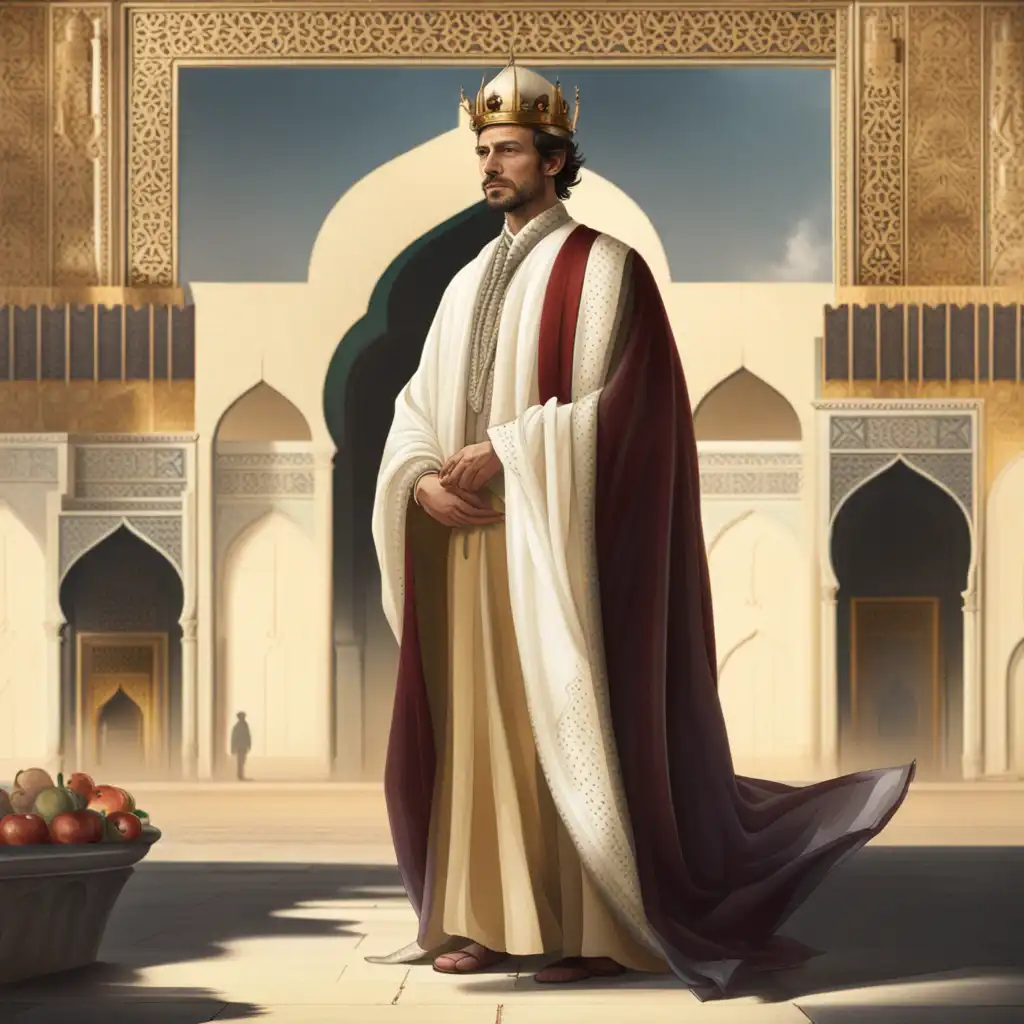
The king or ruler of a Muslim state or country.
The sultan of Oman visited the neighboring country.
sultan
ˈsʌltən
読み込み中…
ˈsʌltən
The king or ruler of a Muslim state or country.
The sultan of Oman visited the neighboring country.
ˈsʌltən
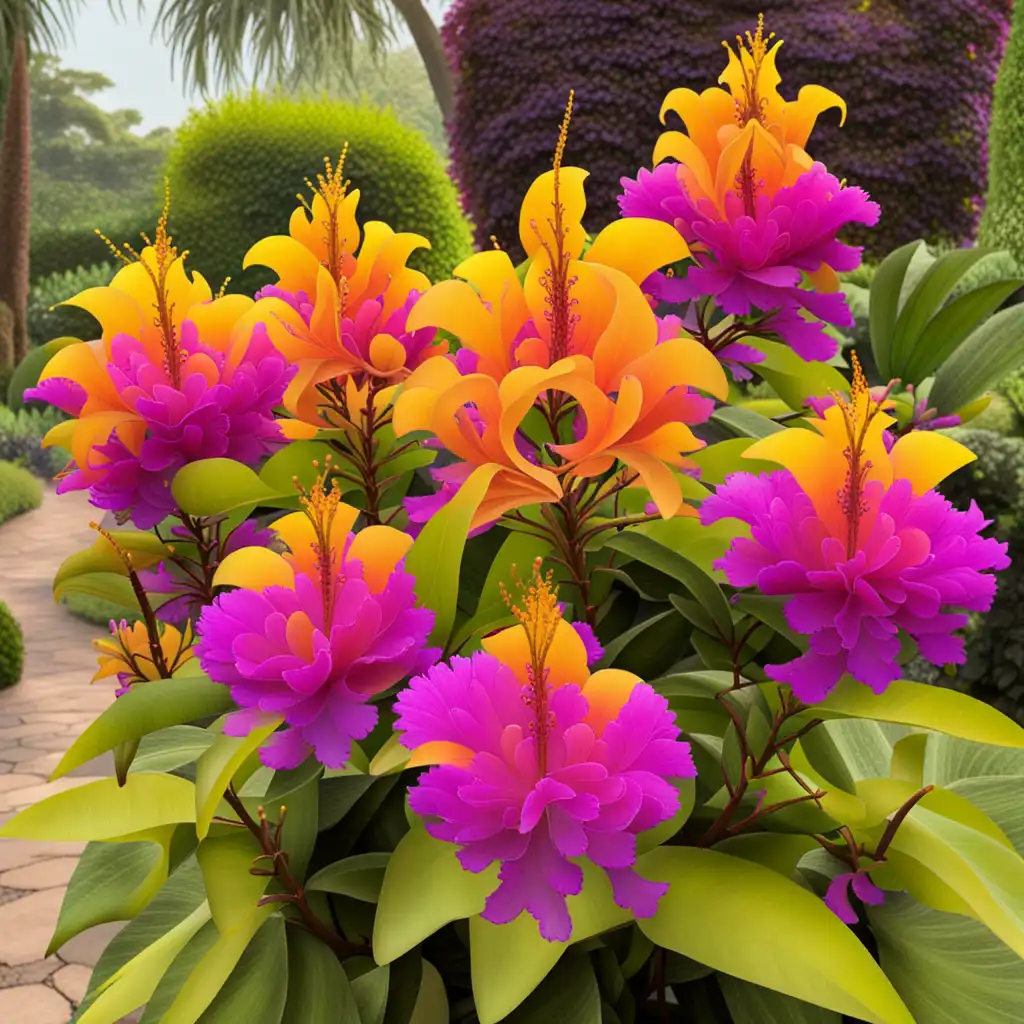
A plant related to the daisy, with yellow, purple, or pink flowers, grown for ornament.
The sultan flower bloomed in my garden.
音声を読み込めませんでした。しばらくしてからもう一度お試しください。
The word 'sultan' is used to refer to a Muslim ruler, usually of an Arabic or Islamic country. It can also refer to a leader who has a lot of power and influence, as the word originates from the Arabic word 'sultan' which means 'power' or 'authority'. The word is typically used in historical or cultural contexts, and may also be used in literature or movies that feature ancient or exotic settings.
A caliph is a religious leader in Islam, while a sultan is a political leader. The caliph is seen as the leader of the Islamic community, or ummah, and has authority over religious matters.
The sultan is a ruler of a Muslim state or empire, and has authority over political and military matters. Caliphate is an Islamic state ruled by a caliph, while sultanate is a Muslim state ruled by a sultan.
The term caliph is mostly used in Sunni Islam, while sultan is more common in Shia Islam.
単語を開く: Caliph →Both emir and sultan are titles used in Islamic cultures, but they have different meanings.
An emir is a leader or ruler of a smaller territory or state, such as a province or city. Emirs are usually appointed by a higher authority, such as a sultan or a caliph.
A sultan is often seen as a more prestigious title than an emir, and sultans are usually fully independent rulers who do not answer to another higher authority.
So, in short, emir is applicable to a smaller territory or province, and is a lower-ranking title. Sultan is applicable to a larger state or empire, and is a higher-ranking title.
単語を開く: Emir →Emperor refers to the ruler of an empire or a large political state, whereas the word sultan generally refers to the ruler of a Muslim country or kingdom.
The term sultan originated in the Arab world, while emperor has its roots in ancient Rome. Emperor is a more generic term and can be used to refer to rulers of various cultures throughout history, while sultan is more specific to Islamic history and culture.
単語を開く: Emperor →King refers to a male ruler of a kingdom or country that has inherited their position through their royal family.
Kings are usually considered to have supreme authority in their realm and exercise a lot of power.
So, while both king and sultan refer to a type of ruler, king usually refers to a more widespread concept throughout the world, while sultan usually applies specifically to Muslim leaders from a certain time period in history.
Note: It's worth mentioning that not all Muslim rulers were sultans and not all kings were male, but this explanation is simply comparing the two words as they are most commonly used.
単語を開く: King →A monarch is a king or queen who rules over a kingdom or country. They normally inherit their position and have the power to make decisions for their nation.
A sultan is a ruler who traditionally heads a Muslim state. Although sultans have similar powers to monarchs, they are more commonly associated with the Ottoman Empire or ancient Islamic kingdoms.
Monarchs are usually found in Europe and Asia, while sultans are more commonly found in the Middle East and Africa.
単語を開く: Monarch →Potentate refers to a powerful ruler, often used to describe a monarch, king or queen who holds a lot of political power.
In simpler terms, potentate can describe any powerful ruler while sultan refers specifically to a Muslim ruler.
単語を開く: Potentate →Ruler generally refers to a person who has the power to govern or control a group of people or a country. This can include several different types of leaders such as a king, queen, president or governor.
So while the term ruler can be applied to a variety of leaders, sultan specifically refers to the leader of a Muslim country, and it carries a lot of historical and cultural significance.
単語を開く: Ruler →Sovereign refers to the ruler of an independent state, typically a king or queen, who has ultimate power and authority over their subjects.
Sovereign refers to any ruler with ultimate power, while sultan specifically refers to a Muslim ruler.
単語を開く: Sovereign →It's a church. It's a...
YouTube で見る ↗The need to help spread democracy and the ability to do that will be much greater if we break this addiction to oil, which gives the oil princes and sultans the power in the Mideast.
Rebecca MacKinnon: Let's...
YouTube で見る ↗I don't want to have lunch with a sultan. I would rather watch Netflix.
Creating Incredible...
YouTube で見る ↗Turks have long admired the sultan, Mehmet II, for his military triumphs, especially his capture of Constantinople, now known as Istanbul, in 1453.
Snow Leopards: Ghosts in...
YouTube で見る ↗Mehmet was the first sultan, and one of the first Muslims anywhere, to defy religious tradition by allowing his portrait to be made.
What I learned at...
YouTube で見る ↗Sultan Beyazid considered his father's art collection decadent and ordered it sold at auction.
The politics of fiction...
YouTube で見る ↗Sultan Mehmet had good relations with the Medici family and other powerful Italian clans, especially in Venice and Florence, and at his request, they sent him artists and craftsmen by the dozen.
The hilarious art of...
YouTube で見る ↗How a concubine became...
YouTube で見る ↗The rise of the Ottoman...
YouTube で見る ↗Safari Live - Day 340 %\PIPE%...
YouTube で見る ↗