hygiene
noun hygiene
ˈhaɪdʒiːn
The practice of keeping oneself and one's surroundings clean to prevent illness and improve health
Proper hygiene includes brushing your teeth at least twice a day.
hygiene
ˈhaɪdʒiːn
Loading…
ˈhaɪdʒiːn
The practice of keeping oneself and one's surroundings clean to prevent illness and improve health
Proper hygiene includes brushing your teeth at least twice a day.

ˈhaɪdʒiːn
The science that deals with the promotion and preservation of health
He studied hygiene and public health in college.
Audio could not be loaded. Please try again later.
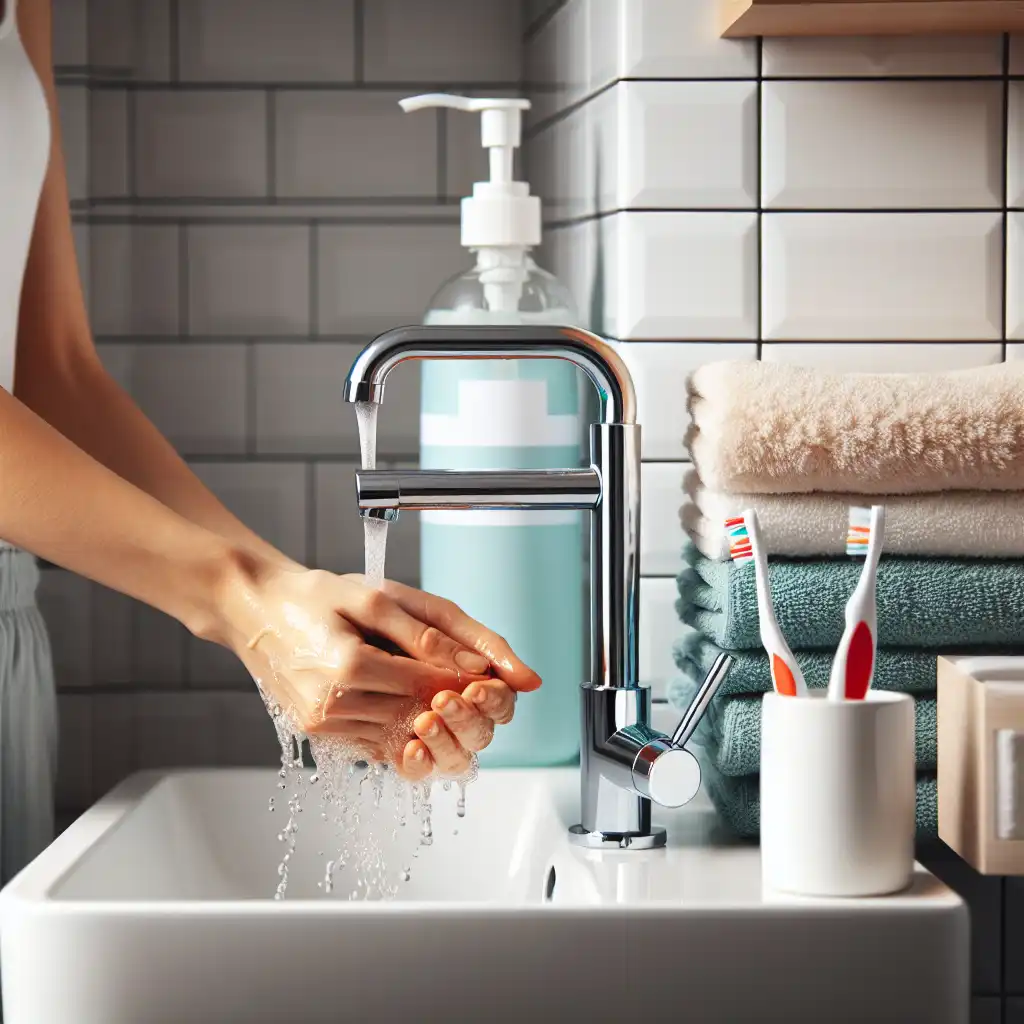
Hygiene means keeping yourself, your surroundings, and your environment clean and healthy. It includes washing your hands regularly, brushing your teeth, taking a bath or shower, and keeping your living spaces clean. Good hygiene helps prevent the spread of germs and keeps you healthy. You can use the word hygiene when talking about personal hygiene or public hygiene in locations like schools, hospitals, or restaurants. It is essential to practice good hygiene habits to remain healthy and prevent the spread of diseases.
Cleanliness refers to the absence of dirt, dust, and other impurities. It is mainly concerned with keeping things neat and tidy.
Hygiene relates to practices that promote good health and prevent the spread of disease. It involves maintaining proper personal and environmental cleanliness to prevent the spread of germs.
Cleanliness is keeping things clean and neat, while hygiene is taking measures to prevent illness and promote health.
Cleanliness is applicable everywhere, whereas hygiene is more crucial in healthcare facilities, food preparation areas, and public spaces.
Open word: Cleanliness →Disinfection refers to the process of killing germs and bacteria on surfaces, objects or skin to prevent the spread of disease.
This is usually done using chemicals such as bleach or alcohol. Disinfection is important in medical facilities, public spaces, and homes to ensure cleanliness and prevent infection.
Open word: Disinfection →Healthiness refers to the overall state of a person's physical and mental well-being, including factors such as diet, exercise, and sleep.
Healthiness is applicable to one's lifestyle and habits, while hygiene is applicable to specific actions taken to prevent the spread of germs and illness.
For example, eating a balanced diet and staying physically active contribute to overall healthiness, while washing hands before eating and after using the bathroom promote good hygiene.
Open word: Healthiness →Neat refers to the appearance of something being orderly and well-organized. This can apply to personal appearance, such as having clean and ironed clothing, as well as the appearance of one's home or workspace being tidy and free from clutter.
Neatness is important in various settings, such as professional workplaces, but is not directly related to preventing illness or disease.
Hygiene is about cleanliness and preventing the spread of illness, while neatness is about appearance and organization.
Open word: Neat →Purification generally refers to the process of removing impurities from something. This can include things like purifying water, air, or even metal.
Purification is often used in more specialized fields such as chemistry, engineering, and manufacturing.
In simpler terms, hygiene is about keeping things clean to prevent disease, while purification is about removing impurities from something.
Hygiene is applicable to everyday life, while purification is typically used in more specialized fields.
Open word: Purification →Sanitation refers to the systems and procedures put in place to ensure that waste and garbage are disposed of properly and that water sources are clean and safe.
Both hygiene and sanitation are crucial for maintaining good health and preventing the spread of disease, but they are applicable in different areas.
Hygiene is most applicable in personal care and hygiene practices, while sanitation is most applicable to waste disposal and water treatment.
Open word: Sanitation →Sterility refers to the complete absence of any living microorganisms, including bacteria, viruses, and fungi. Sterility is typically achieved through processes such as sterilization or the use of sterile equipment, and is commonly used in medical settings to prevent the spread of infection or disease during medical procedures.
So while both hygiene and sterility are focused on promoting cleanliness and preventing the spread of disease, hygiene is more focused on prevention, while sterility is focused on elimination.
Hygiene is applicable in everyday life, while sterility is more commonly used in medical or laboratory settings.
Open word: Sterility →Tidiness refers to keeping things in order and uncluttered. It is applicable in personal and professional settings, such as homes, offices, and schools.
Hygiene focuses on personal health and cleanliness, while tidiness focuses on organization and orderliness.
Open word: Tidiness →which tend to be time consuming and interfere with work school or social life to the point of causing significant distress. This set of diagnostic criteria is what separates people suffering from OCD from those who may just be a bit more meticulous or hygiene obsessed than usual.
Watch on YouTube ↗I think hygiene is so important.
are much broader issues as well where there's well there's an awareness that this needs to happen the doctors and nurses don't truly understand the importance of hand hygiene in delivering patient care they see it more as a chore and we came across something even more challenging in the first couple of weeks
Watch on YouTube ↗I think that carrying on a life that is meant to be private in public is a breach of taste, common sense, and mental hygiene.
No. It was the whole you know motion. And the amazing thing to me is that you would think this woman would have excellent oral hygiene. Sadly -- this is what it said in the journal paper --
Watch on YouTube ↗You've got to motivate the fans and the people to get your teeth cleaned. It's called daily hygiene. You've got to take care of yourself.
had been known to wear very tidy uniforms used to be obsessed with hygiene but members of his entourage later said Oh Hitler is finally and having cake crumbs on his moustache he's trembling
Watch on YouTube ↗Sure, when you think 'World of Warcraft,' you might picture the nerdier set - those who may have sacrificed hygiene and sleep to reach one more experience level. But the truth is that 'WoW' is populated with players of all sorts of backgrounds, from rural housewives to NFL punters.
good hygiene is so important in these crowded conditions than much time and money is spent trying to send it to his house again
Watch on YouTube ↗To complete your daily mental hygiene, observe any part of you that is upset or anxious, and offer that part of yourself the following simple wishes: 'May you be well. May you be happy. May you be free from suffering.' Repeat this until you actually mean it.
Why is that? Inadequate sanitation, poor protection of drinking water sources, and improper hygiene often lead to sewage and feces-contaminated water. That's the ideal breeding ground for dangerous bacteria, viruses, and parasites.
Watch on YouTube ↗Hygiene is important. You gotta smell good. So ladies, please spray some perfume. Hair gotta be done. You gotta look nice.
But it’s a surprisingly complex phenomenon influenced by our genetic makeup age diet and hygiene. So what is this odor exactly? Where does it come from? And can we do anything about it?
Watch on YouTube ↗Hygiene is going to be a key consumer question post-COVID. Our sanitized stay offerings and commitment towards ensuring minimal contact-based check-in is an important step.
Everything you do is either steeped in tradition or has a practical purpose. You can't smoke in the field because you don't want to give away your position. You don't touch your face -- you have to maintain a personal level of health and hygiene. You face this way when "Colors" plays, out of respect for people who went before you. Walk this way talk this way because of this.
Watch on YouTube ↗Hygiene is important. That's one of my failings. So I'm always being called on that.
And that's why it's so important that we prioritize our psychological health, that we practice emotional hygiene. Because you can't treat a psychological wound if you don't even know you're injured. Loneliness isn't the only psychological wound
Watch on YouTube ↗Ya know what I do almost every day? I wash. Personal hygiene is part of the package with me.
clearing away metabolic waste that accumulated in our synapses while we were awake. Deep sleep is like a power cleanse for the brain. But what happens if you shortchange yourself on sleep? Many scientists believe that poor sleep hygiene might actually be a predictor of Alzheimer's.
Watch on YouTube ↗Man does not live by soap alone; and hygiene, or even health, is not much good unless you can take a healthy view of it or, better still, feel a healthy indifference to it.