oedema
noun oedema
ɪˈdiːmə
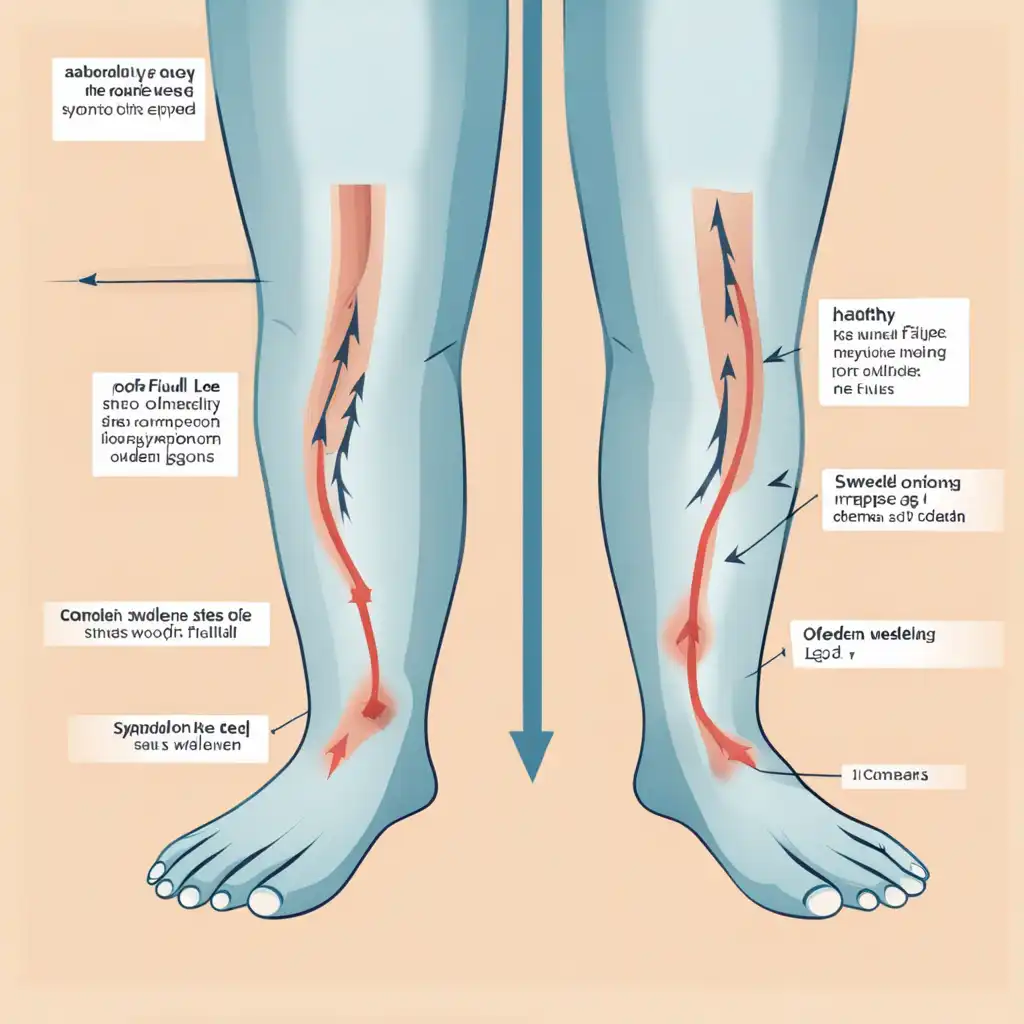
A condition where parts of the body become swollen due to trapped excess fluid.
The patient was diagnosed with oedema in his legs, causing them to swell and become painful.
oedema
ɪˈdiːmə
Cargando…
ɪˈdiːmə
A condition where parts of the body become swollen due to trapped excess fluid.
The patient was diagnosed with oedema in his legs, causing them to swell and become painful.
No se pudo cargar el audio. Inténtalo de nuevo más tarde.
Oedema is a medical term that refers to the swelling of tissues in the body. It happens when there is an excessive buildup of fluid in the tissues that cause them to expand and become bloated. Oedema can occur anywhere in the body and is often a symptom of an underlying health condition, such as heart failure or kidney disease. It can also happen as a result of injuries, allergies, pregnancy, or certain medications. Doctors use the term oedema to describe this swelling, and it is important to get medical attention if you experience it as it can be a sign of a more serious health issue.
There is no difference between the words edema and oedema - they are just spelled differently due to regional differences in English language.
Edema is the American spelling while oedema is the British spelling. Both terms mean a medical condition where there is an abnormal accumulation of fluid in body tissues, causing swelling.
Abrir palabra: Edema →Oedema is a medical term used to describe the accumulation of excess fluids in specific body tissues, resulting in noticeable swelling.
Swell is a more general term used to describe an increase in size or volume of a specific body part such as hands or feet.
Swelling can result from various factors such as insect bites, injuries, infections, or allergic reactions.
Oedema is a medical condition related to excessive fluid buildup in the body tissues, while swelling is a broader term used to describe a general enlargement of a specific body part.
Abrir palabra: Swell →In the giraffe with a total height of 5 m., the heart is at a height of about 2.5 m., and it would be extremely interesting to know just how the giraffe avoids the development of filtration oedema in its long legs.