kip
noun kip
kɪp
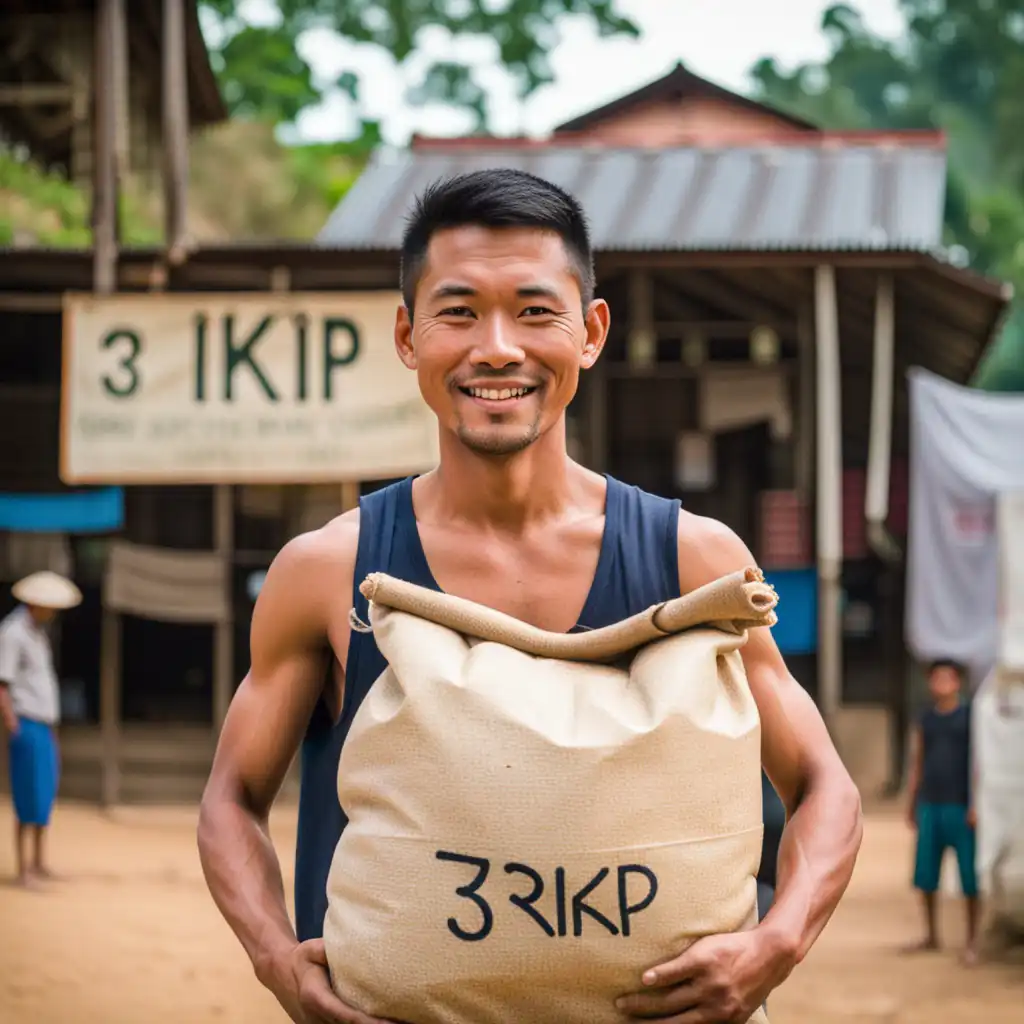
A unit of weight used in some countries in Asia, especially Laos
This sack of rice weighs about three kip.
kip
kɪp
Loading…
kɪp
A unit of weight used in some countries in Asia, especially Laos
This sack of rice weighs about three kip.

kɪp
A unit of force equal to 1000 pounds
The total load on the bridge was estimated to be 5000 kip.
kɪp
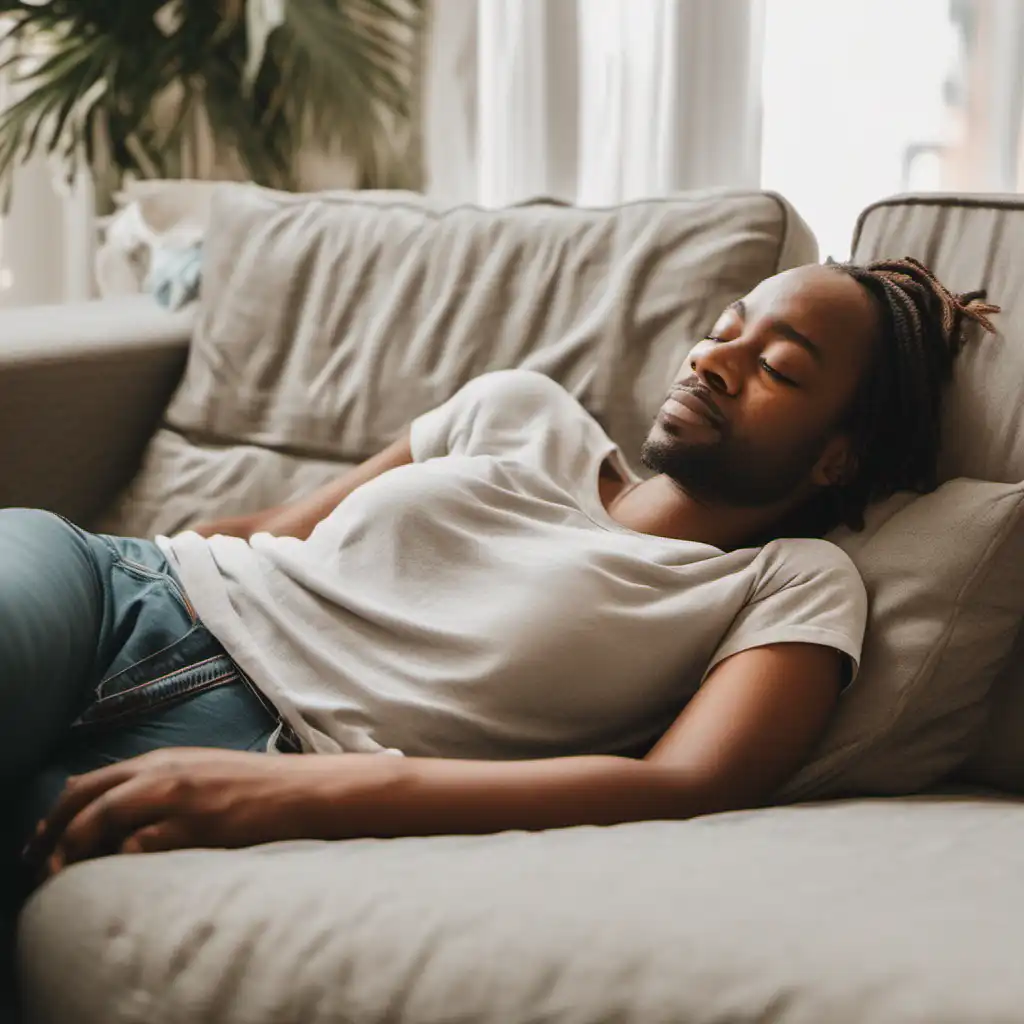
A sleep or nap, especially a short one
I'm just going to have a quick kip before we go out.
kɪp
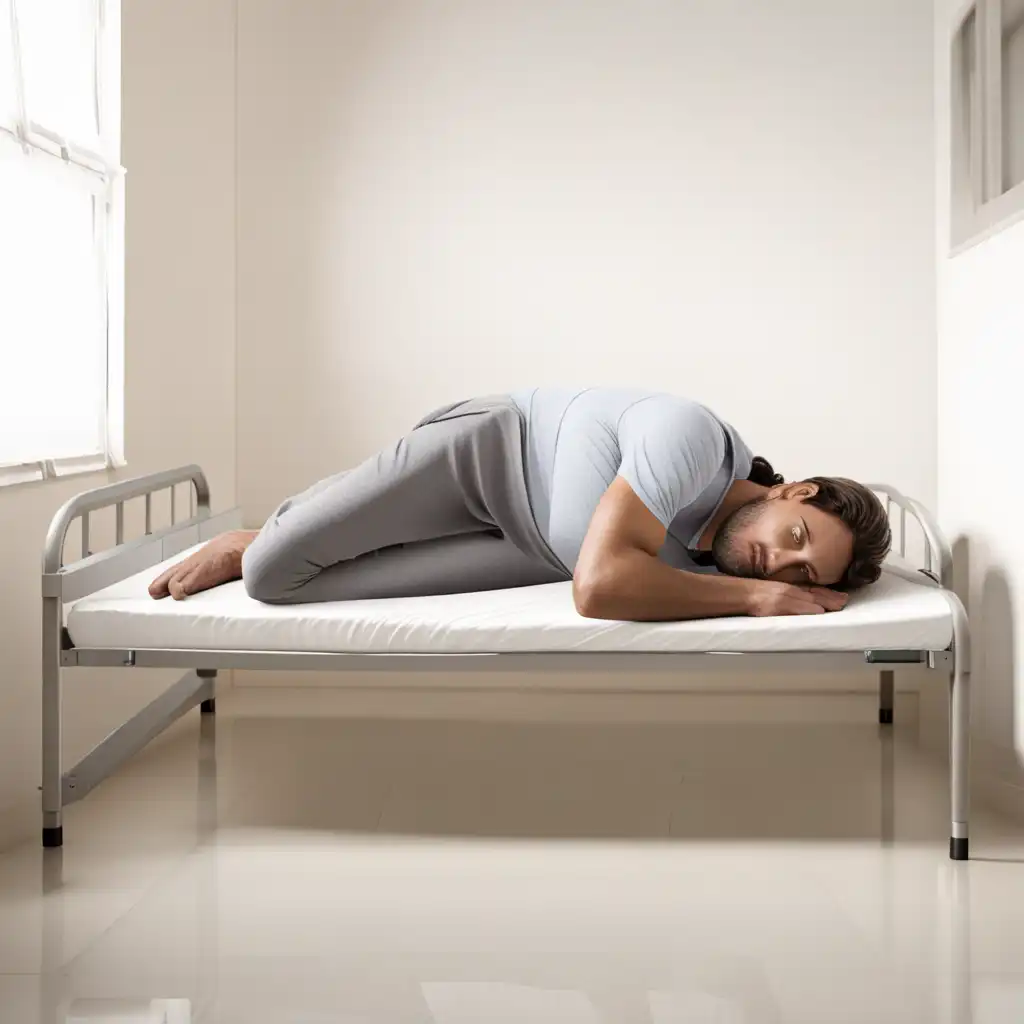
A bed or place to sleep in a homeless shelter or a cheap lodging house
He spent the night in a kip because he couldn't afford a hotel.
kɪp
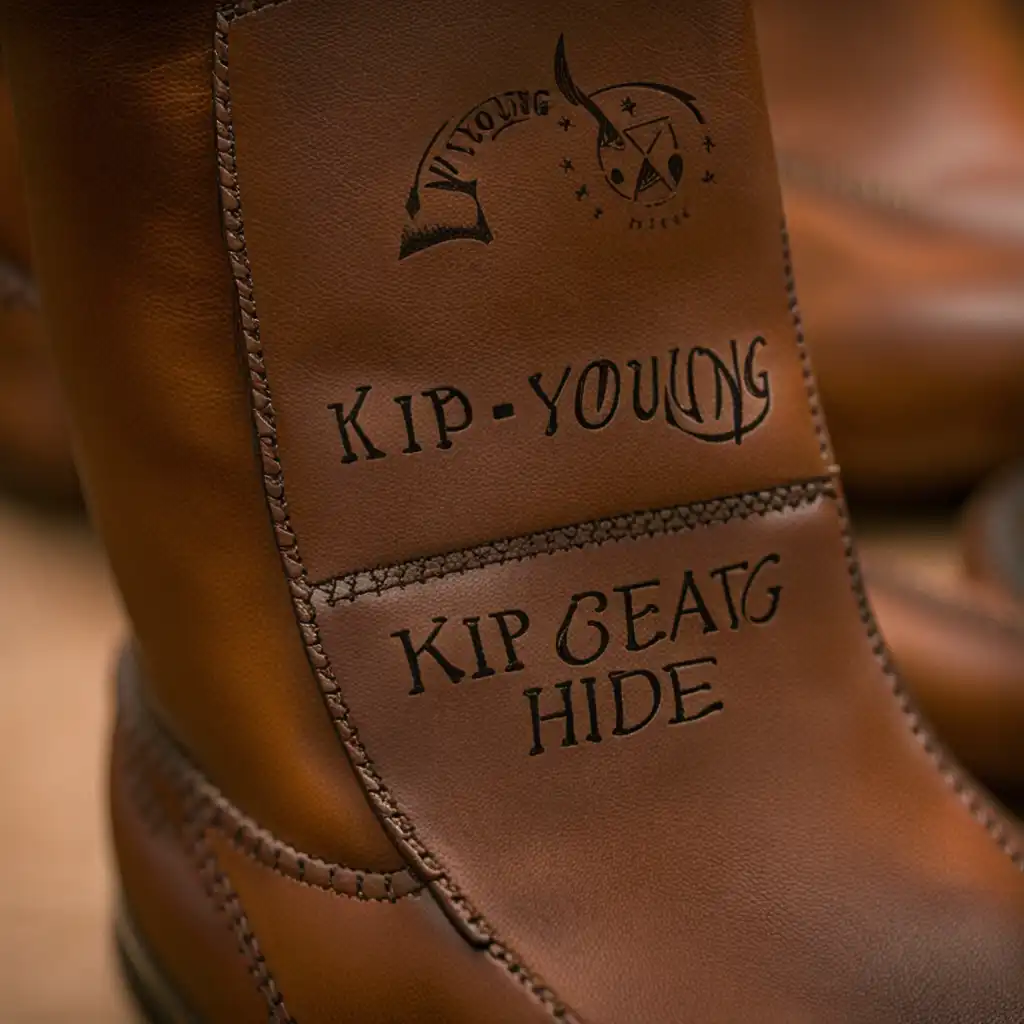
The hide of a young or small beast
The leatherworker used kip to craft the boots.
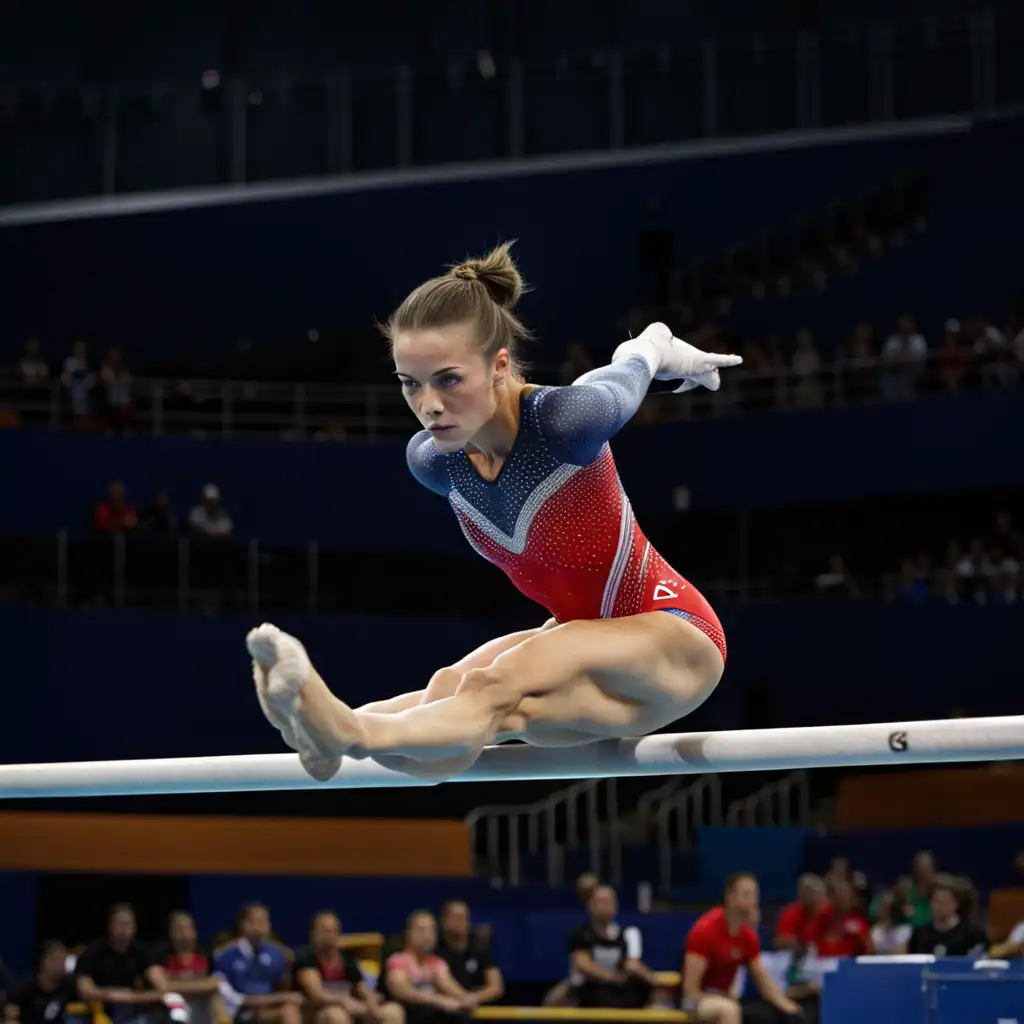
kɪp
A gymnastic exercise performed on the parallel bars or rings
The gymnast perfected the kip for her upcoming competition.
Audio could not be loaded. Please try again later.
The word 'kip' is often used as slang to describe a short nap or sleep. It can be used in informal settings, such as saying "I'm going to take a quick kip on the couch." It is important to note that 'kip' is not commonly used in formal or professional settings.
Both doze and kip refer to short naps or periods of sleep that are not as deep as regular sleep.
However, doze is more commonly used to describe a light sleep that occurs while you are still aware of your surroundings.
For example, you might doze off on the bus ride home from school, but you would still wake up when your stop comes.
Doze is a more passive term that suggests a lighter sleep, while kip is a more active term that suggests intentional rest.
Open word: Doze →Kip and nap both refer to a brief period of sleep.
However, kip is more commonly used in British English while nap is more commonly used in American English.
Nap can also be used as a verb, while kip is generally only used as a noun.
Overall, both words refer to a brief period of sleep, but nap is more widely recognized and used in both British and American English.
Open word: Nap →Kip and sleep both refer to the state of rest when someone is not awake, but there is a slight difference between the two.
Kip usually refers to a short and light nap, while sleep implies a longer and deeper rest.
Kip is often used when someone takes a quick rest for a short time during the day, while sleep is typically used to describe the hours-long rest that people get at night.
If someone says "I'm going to bed now to get some sleep," they mean that they are going to sleep for the night to get enough rest.
Open word: Sleep →Both kip and slumber refer to sleeping, but have slightly different meanings.
Slumber, on the other hand, refers to a longer, deeper sleep. It implies a peaceful and comfortable rest, often during the night.
Slumber is more commonly used to describe a full night's sleep, rather than a quick nap.
Kip is more informal and used for shorter and/or uncomfortable rests, while slumber is a more formal term used for longer and more restful sleeps.
Open word: Slumber →Both words kip and snooze refer to short periods of sleep, but kip usually means a longer or deeper sleep, while snooze typically means a short or light sleep.
Snooze usually refers to a shorter period of sleep, often taken after waking up in the morning but not wanting to get out of bed yet.
For example, "I hit snooze on my alarm clock a few times this morning."
Kip refers to a longer and deeper sleep, while snooze generally means a shorter and lighter sleep.
Open word: Snooze →Thought-provoking...
Watch on YouTube ↗By kipping, you are able to generate power from the hip, transfer it through the body, then into your arms, creating a movement that originates in your core and moves to your limbs, and also generates more power.
The Collapse of West...
Watch on YouTube ↗It's essential I look after myself, because of what I put my body through in stunts as an actor, and even more through the fishing journeys. Trekking through jungles is tough. We don't escape to hotels and if I'm living with tribes on the bank of a river, I camp out under a canopy or kip in a canoe.
Gabriela González: How...
Watch on YouTube ↗I lived in sheds, I kipped under bushes, sofa surfing - I went through the whole array of it.
Kip Keino, Moses Tanui, Paul Tergat, they all come from my tribe. Some say it is the food we eat that makes us strong, the way we live. In the history of our people we wear no clothes and we are used to drinking the blood of animals.