No se pudo cargar el audio. Inténtalo de nuevo más tarde.
Cómo se usa
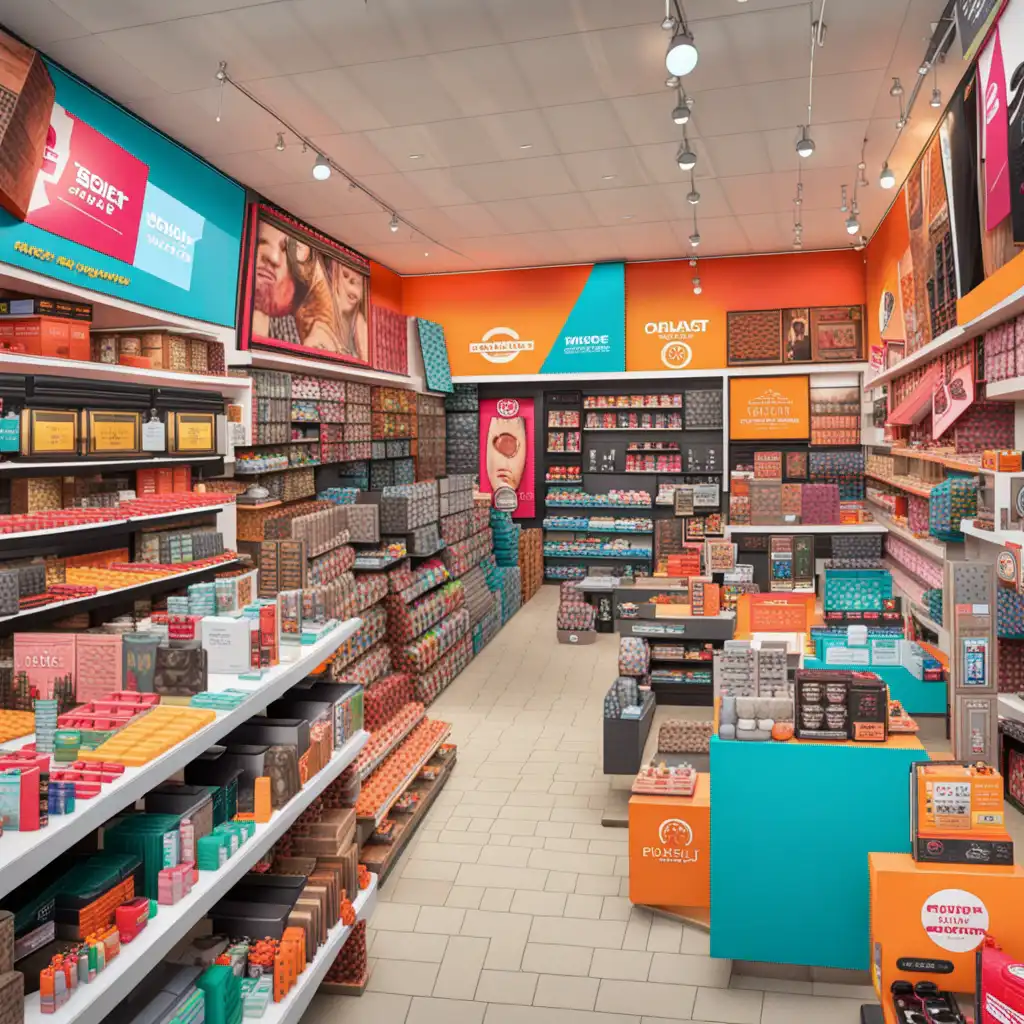
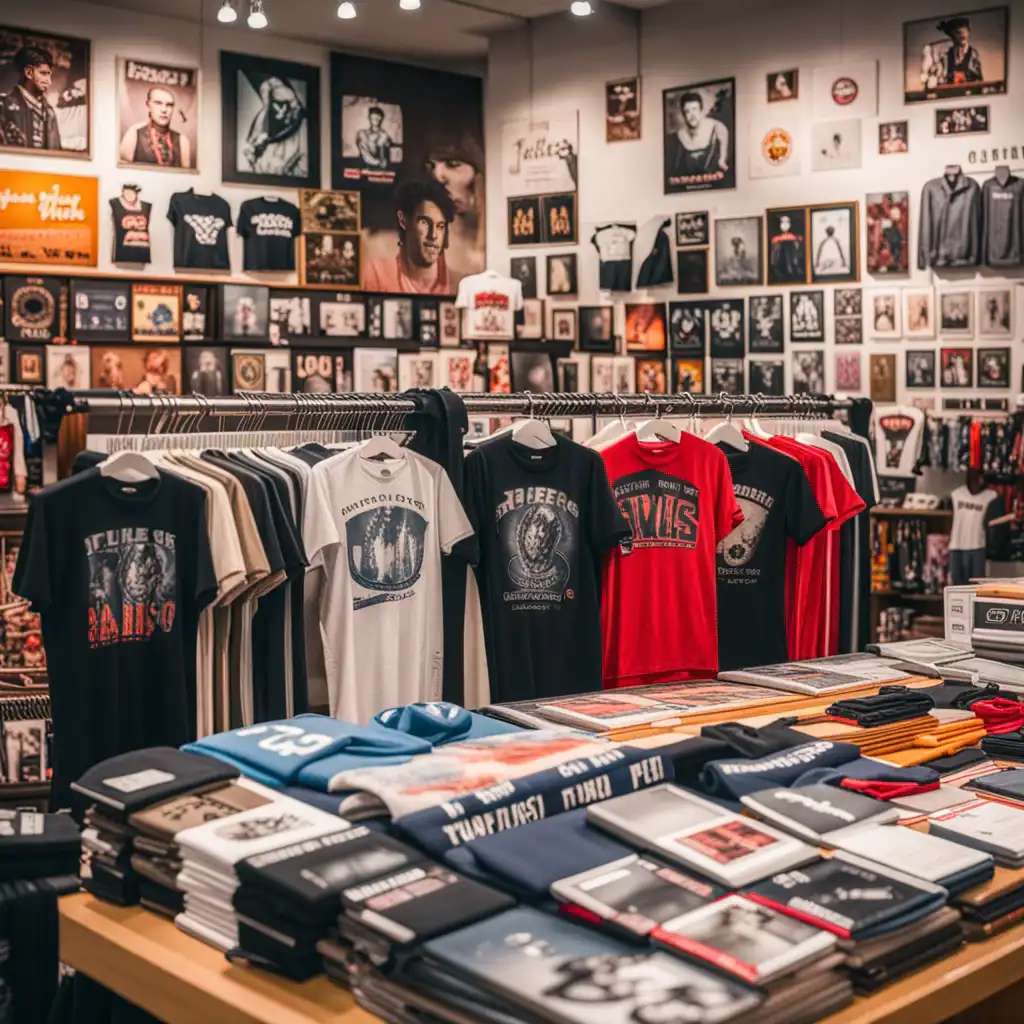
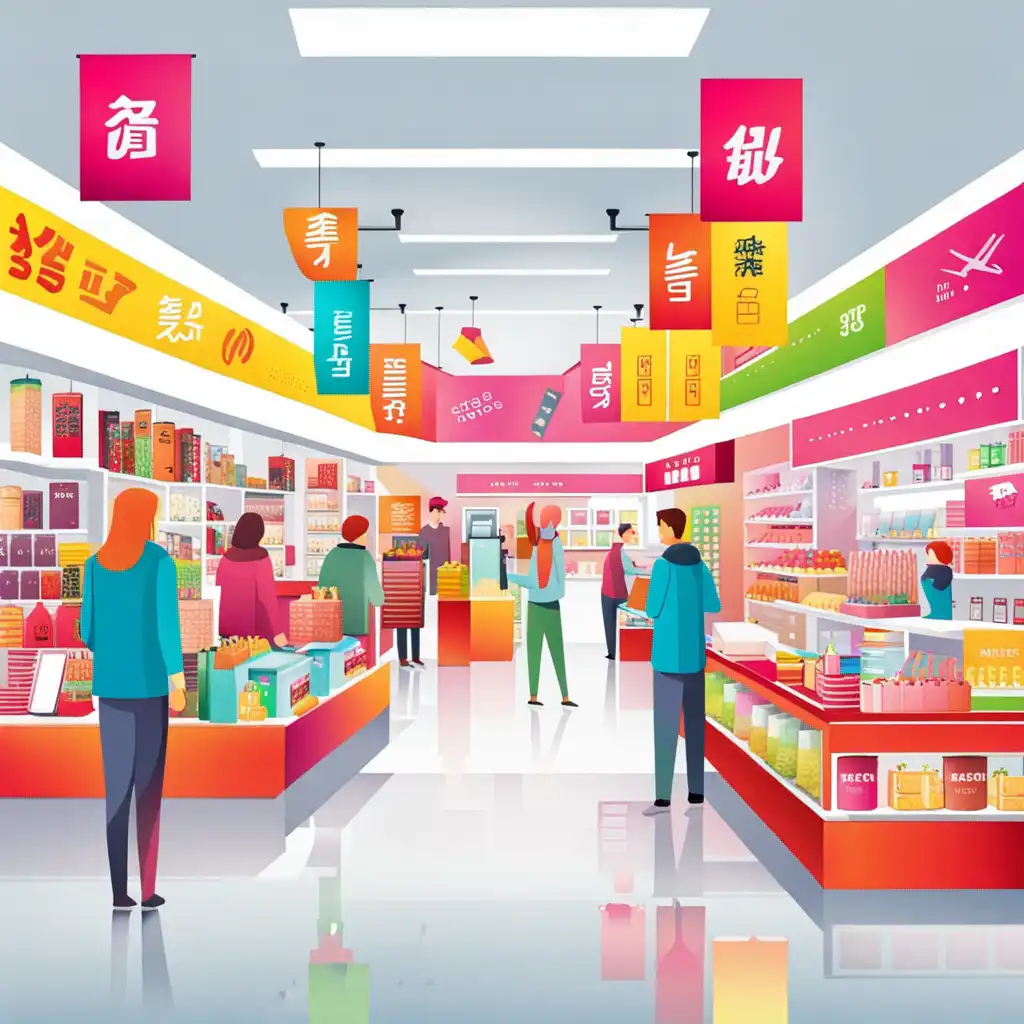
Merchandising means promoting or selling products, typically in a retail setting. It can include things like designing window displays to attract customers or creating product displays within a store to encourage sales. Merchandising is important for businesses because it helps increase sales and build brand recognition. It can be used in a variety of settings, from small boutiques to large department stores.
"Advertising" refers to the act of promoting a product or service through various forms of communication, such as TV commercials, radio ads, billboards, social media campaigns, etc.
The main goal of advertising is to create awareness and generate interest in the product or service.
In simple terms, advertising is about getting the word out, while merchandising is about creating an appealing shopping experience.
Brand refers to the unique name, design, symbol or any other feature that identifies and distinguishes a company from its competitors.
In simpler terms, brand is the identity or image of the company, while merchandising is the process of selling the products of a brand.
For example, Nike is a brand that sells athletic shoes, clothes, and accessories through various merchandising channels like retail stores, online shops, and sponsorships with sports teams.
Display refers to how products or items are arranged or presented in a store, showcase, or exhibit. Merchandising refers to the overall planning and coordination of marketing strategies that are used in retail stores to promote and sell products.
While display tends to focus more on the physical arrangement of products to make them appear more attractive and appealing to customers, merchandising deals with the entire process of promoting and selling products, including things like pricing, inventory, and marketing campaigns.
Display is more about presentation, while merchandising is more about marketing and sales.
Market refers to the overall buying and selling of goods and services between buyers and sellers. It includes factors such as consumer demands, market research, competition, and pricing strategies.
Market focuses on the bigger picture of buying and selling, while merchandising focuses on the practical techniques used to sell products.
Promotion is a marketing tactic that aims to increase sales by offering incentives or special deals to customers. This could include discounts, limited-time offers, or contests.
Merchandising deals with how products are presented in-store, while promotion deals with external marketing tactics to encourage sales.
Retail refers to the process of selling goods directly to consumers.
Merchandising is the strategy used to sell products, while retail is the actual selling of those products. Merchandising is applicable in any industry where products are sold, while retail specifically refers to the process of selling goods directly to consumers.
Salesmanship refers to the skills and techniques used by salespeople to persuade customers to buy their products or services.
Salesmanship is applicable in any business that involves selling products or services directly to customers, such as retail shops, car dealerships, or insurance companies.
In essence, merchandising focuses on the presentation and marketing of products, while salesmanship focuses on interacting with customers to make a sale.
Sell refers to the act of exchanging a product or service for money. It is the final step in the merchandising process, where the customer makes a purchase.
Merchandising is about encouraging people to want to buy a product, while selling is the actual exchange of money for that product.
Merchandising is usually done by retailers, while selling can happen anywhere a transaction takes place.
we are building an ecosystem and partnering with investors who share a passion for cultivating the entrepreneurial spirits of justice-impacted people. There are so many businesses to support, like Corey's fintech and merchandising company that partners with HBCU's.
Unlike novel characters, comic book characters last an eternity. When a character is changed beyond recognition, there's no longer the merchandising aspect.
down it was like the middle of the day which is usually there's nothing going on yeah right so it was like all right that was a good time I'll take a nap till you know towards the end of the day towards sunset that's when there's been a lot of bikes happening so it's like okay now it's a good time to squeeze in you know the next merchandising idea for
Doing a mall is not only construction of the physical place: what is important is the merchandising mix. We strive to serve the convenience of the public. We want shopping at our malls to be a unique and an enjoyable experience.
Everybody got into the rugged outdoors business and into lifestyle merchandising and so forth and so on. And everybody was getting into catalogs and e-commerce and - you name it. It was just intense.
The journey of making money in music has changed a great deal and is now based on merchandising and just being very smart in the business. Downloading from iTunes has become the way to purchase music and the price that you pay there for a song cannot compare to the days when people paid money for records.
The UFC makes about 99 percent of the money, and the rest goes to the fighters. That one percent ain't nothing compared to what they make on merchandising, on pay-per-view, and everything else they make around the world.
If you have a business website, make it stickier; redo the merchandising often and try new things until you hit the right homepage... then try and beat that. The most important audience drivers on the Internet are paid search and key word optimization. Concentrate on those. They are very inexpensive compared to banner advertising.
I was always into fashion because my mom has always been interested in fashion. She majored in fashion merchandising in college, and it's always been something we have in common.
I wanted control over the merchandising, the actual packaging of the product. That was a big factor. The only way for me to exercise control on all those levels was to start my own label.