sylph
noun sylph
sɪlf
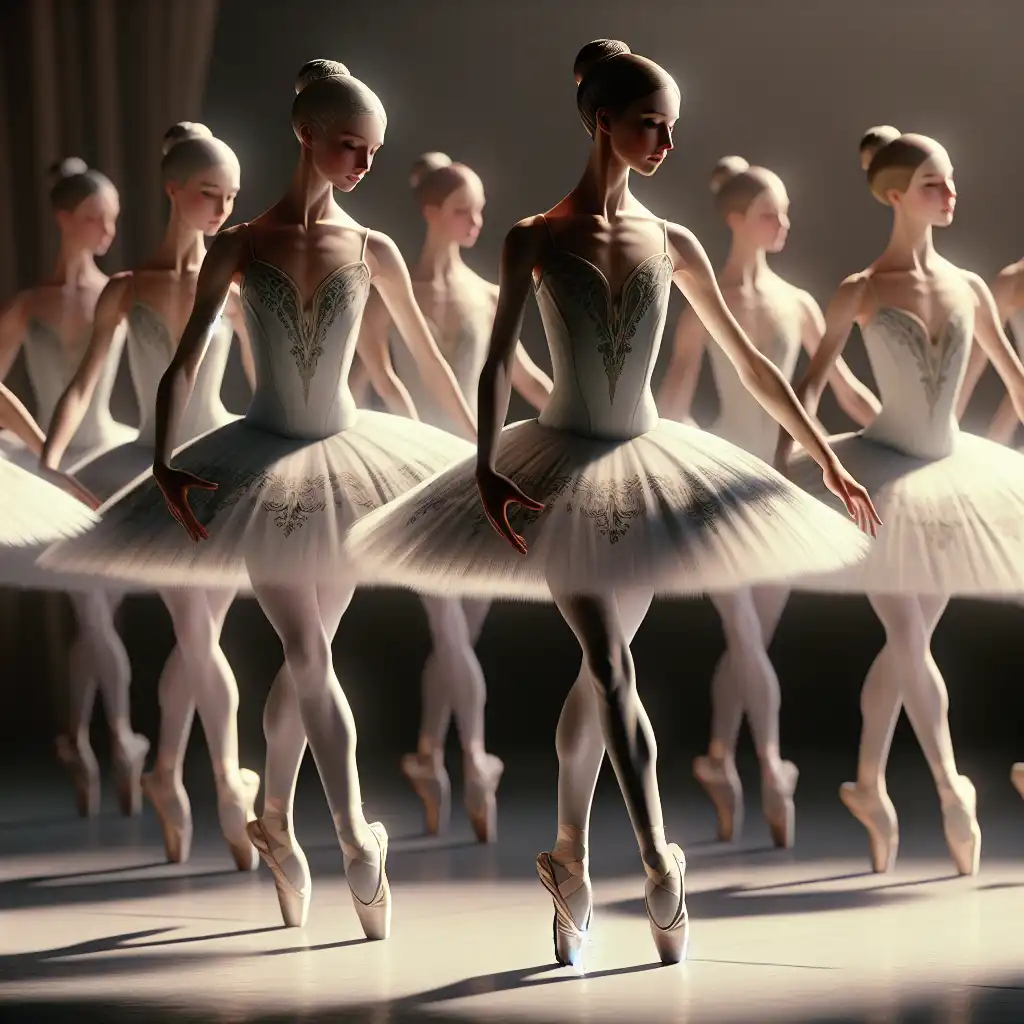
A very thin and graceful girl or woman
The ballet dancers, like delicate sylphs, moved across the stage.
sylph
sɪlf
Loading…
sɪlf
A very thin and graceful girl or woman
The ballet dancers, like delicate sylphs, moved across the stage.
sɪlf
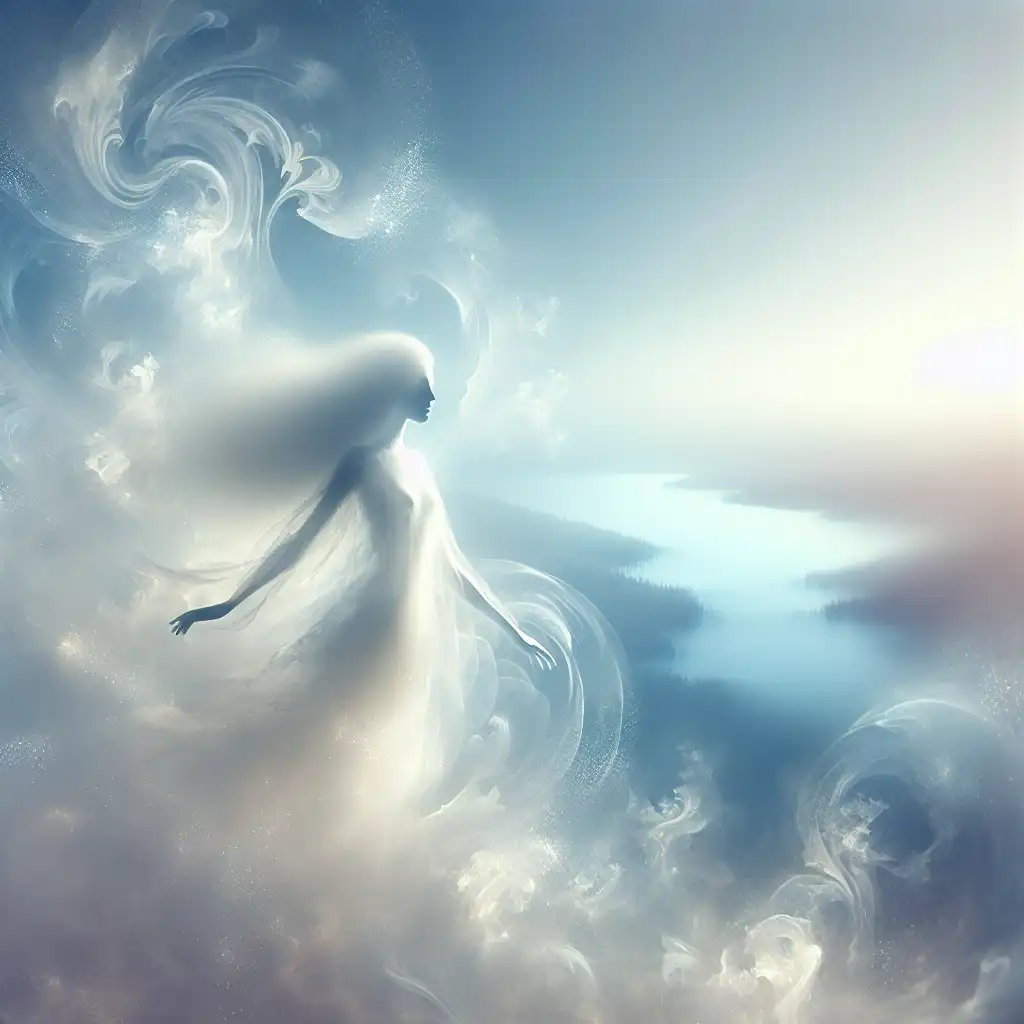
A spirit from stories and poems, imagined as a light, thin, and air-like female being
He looked upon her as if she were some ethereal sylph, not of the earthly world.
Audio could not be loaded. Please try again later.
The word 'sylph' is a term used in literature, mostly in fantasy or mystical stories or poems. It refers to a beautiful, delicate, and graceful fairy-like creature, usually with wings, that lives in the air. You may come across this word in classic literature or fantasy novels, where it is used to describe ethereal beings or spirits.
Both elf and sylph are mythical creatures, but they come from different cultural traditions.
An elf is a creature from Norse mythology, and is usually depicted as a small, mischievous creature with pointed ears and magical abilities.
So, in summary, while both elves and sylphs are mythical creatures, they come from different cultural traditions and have different associations.
Elves are associated with forests and magic, while sylphs are associated with the air and wind.
Open word: Elf →Fairy usually refers to a magical creature in folklore that resembles a tiny human with wings and has magical powers.
In summary, fairies are magical creatures associated with nature, while sylphs are mythological creatures associated with the element of air.
Open word: Fairy →Guardian refers to a person, animal or thing that protects or looks after another person, animal or thing. For example, a parent is a guardian to their child, or a dog can be a guardian to a flock of sheep.
Guardian is a real-world term that refers to a protector or caretaker, while sylph is a fictional term that describes a beautiful, mythical creature.
Open word: Guardian →The words nymph and sylph refer to mythical creatures from different traditions.
A nymph is a creature from Greek mythology that is usually associated with nature. Nymphs are typically depicted as beautiful, ethereal beings that inhabit forests, streams, and other natural environments.
In short, nymphs are associated with nature while sylphs are associated with air and the sky. Each term is used in different contexts, depending on the mythology or folklore being referenced.
Open word: Nymph →Phantom refers to a ghost or an apparition, something that is only imagined or perceived.
Therefore, while phantom describes something intangible, sylph describes something etherial or elegant.
Open word: Phantom →Spirit refers to a non-physical entity or essence often associated with a religious or supernatural belief.
It can also mean a person's emotions, personality, or character. Sylph specifically refers to a mythical creature, typically depicted as a spirit of the air that inhabits and controls the winds.
In everyday language, the word spirit can be used to refer to a person's mood or attitude, as well as to describe a ghostly or supernatural presence.
Open word: Spirit →Sprite typically refers to a small supernatural creature or fairy, often found in folklore and mythology.
Open word: Sprite →Both words sylph and wraith refer to supernatural beings, but they have different origins and applications.
Wraith describes a ghostly apparition or a spirit of the dead.
It is usually associated with horror or paranormal activities. Wraiths are often depicted as pale, shadowy figures that haunt people or places.
Wraith is applicable to describing a malevolent spirit or any ghostly figure that appears frightening or haunting.
Sylph is a term used to describe a beautiful and graceful supernatural being, while wraith describes a ghostly, frightening spirit, usually associated with the dead.
Open word: Wraith →