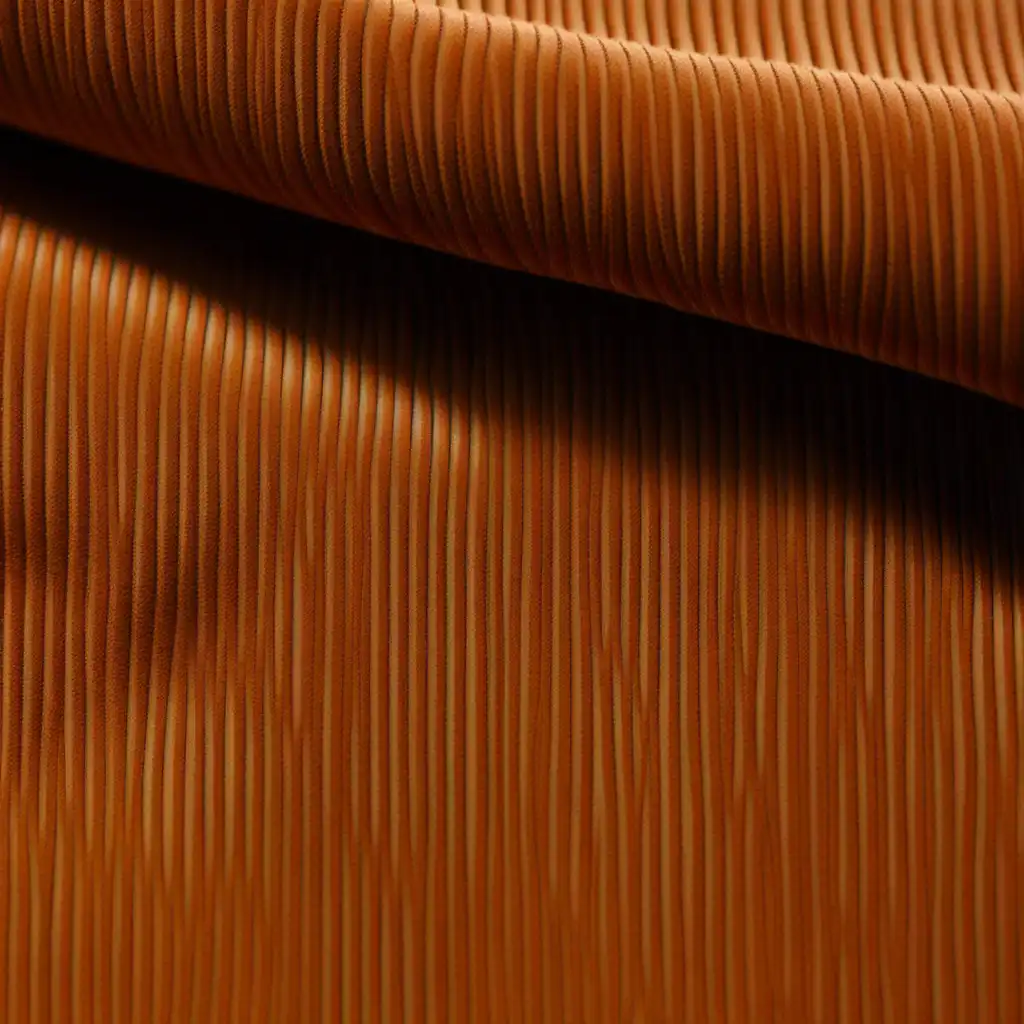
corduroy
noun corduroy
ˈkɔːrdərɔɪ
A thick cotton cloth with vertical soft lines or stripes
This corduroy jacket is very warm and comfortable.
corduroy
ˈkɔːrdərɔɪ
Đang tải…
ˈkɔːrdərɔɪ
A thick cotton cloth with vertical soft lines or stripes
This corduroy jacket is very warm and comfortable.
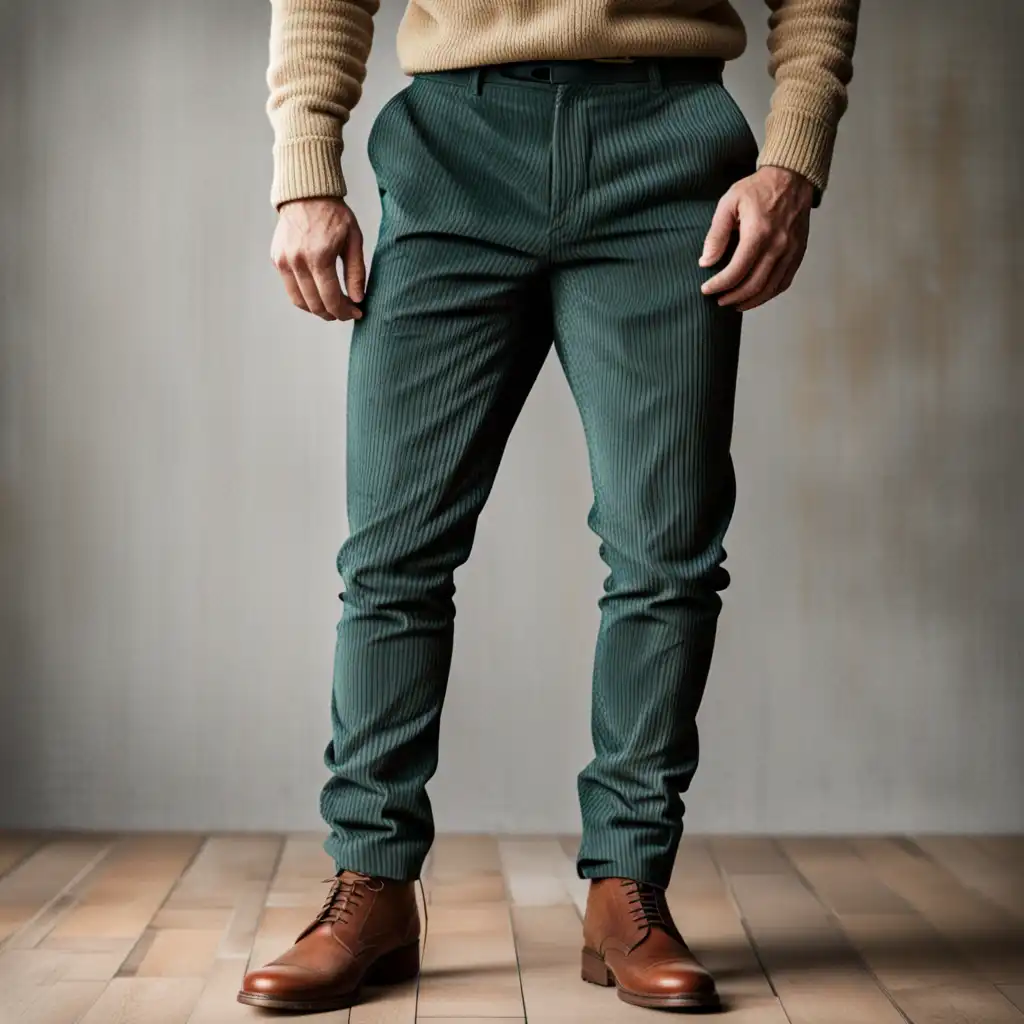
ˈkɔːrdərɔɪ
Made of corduroy
I love my new corduroy pants. They are ideal for winter.
Không tải được âm thanh. Vui lòng thử lại sau.
Corduroy is a type of fabric that has small lines on it called "wales". It is often used for clothing such as pants or jackets, and can be made from cotton or other materials. You can say "I am wearing corduroy pants today" or "I like the soft feel of corduroy fabric".
It can describe clothing or furniture. Grooved refers to any type of narrow, linear indentation or channel that can be found in a variety of surfaces such as wood, metal or plastic.
Grooved can describe things like flooring, musical instruments or even a cookie sheet.
Corduroy is specific to a certain kind of fabric, while grooved is a more general term for any type of indentation or channel.
Mở từ: Grooved →Corduroy and pile are both types of fabric textures, but corduroy specifically refers to a fabric that has raised parallel ridges, while pile refers to any type of fabric that has a raised, fuzzy, or fluffy surface.
Corduroy is typically used for clothing like pants or jackets, while pile fabrics can be used for a range of products like stuffed animals, blankets, or upholstery.
Mở từ: Pile →Corduroy and rib are both terms used to describe a type of texture on fabric. Corduroy has thicker ribs or cords that run vertically down the fabric creating a distinct pattern.
It is often used in clothing like pants or jackets. Rib has thinner ribs that are more spaced out and can run vertically or horizontally on the fabric.
Rib is often used in t-shirts or other tops. The main difference is the size and spacing of the ribs or cords in the fabric pattern and where they are most commonly used.
Mở từ: Rib →How fashion helps us...
Xem trên YouTube ↗When I was eight, nine years of age, my mother bought me a pair of green trousers - corduroy green trousers. I didn't like green, and I basically buried them underground. And my mother kept asking me, 'Where are your trousers?' I said, 'Oh, I don't know.' And from then on I stopped wearing green.
Living in a shadow %\PIPE%...
Xem trên YouTube ↗I've always looked the same. Since I was a child, I hated having to deal with my hair. I hated having to change my clothes. As a kid, I had a sailor shirt and the same old corduroy pants, and that's what I wanted to wear everyday.
After all we did for Britain, selling that corduroy and making it swing, all we got was a bit of tin on a piece of leather.
My favorite outfit is baggy black corduroy pants and a baggy T-shirt.
When I started, I knew nothing about fashion. I remember, my first day going to my agency, I was wearing these huge bell-bottoms - they were patchwork corduroy and denim, which, at the time, I thought were amazing. My agent told me, 'You have a casting with Prada - you have to burn those jeans.
Just once I would like to persuade the audience not to wear any article of blue denim. If only they could see themselves in a pair of brown corduroys like mine instead of this awful, boring blue denim.
When I was younger, all I wore was ill-fitting corduroys with large shirts and caterpillar shoes.
I like the way corduroys feel. I like the sort of jean aspect of corduroys, but also the texture of them. They probably remind me of my childhood, too, I think. I wore cords, and my dad had a corduroy jacket.
I love corduroys, because they are really comfy and they're cozier than jeans. They come in nice autumn hues - colors that you can have fun with.
I love corduroy jeans as well as vertical-striped jeans. Both are a fun switch from plain old denim. They can be slimming so long as the stripes aren't too chunky.