
crabby
adjective crabby
ˈkræbi
Feeling or appearing grouchy, grumpy, or in a bad mood
Tom is always so crabby before he has his morning coffee.
crabby
ˈkræbi
Đang tải…
ˈkræbi
Feeling or appearing grouchy, grumpy, or in a bad mood
Tom is always so crabby before he has his morning coffee.
ˈkræbi
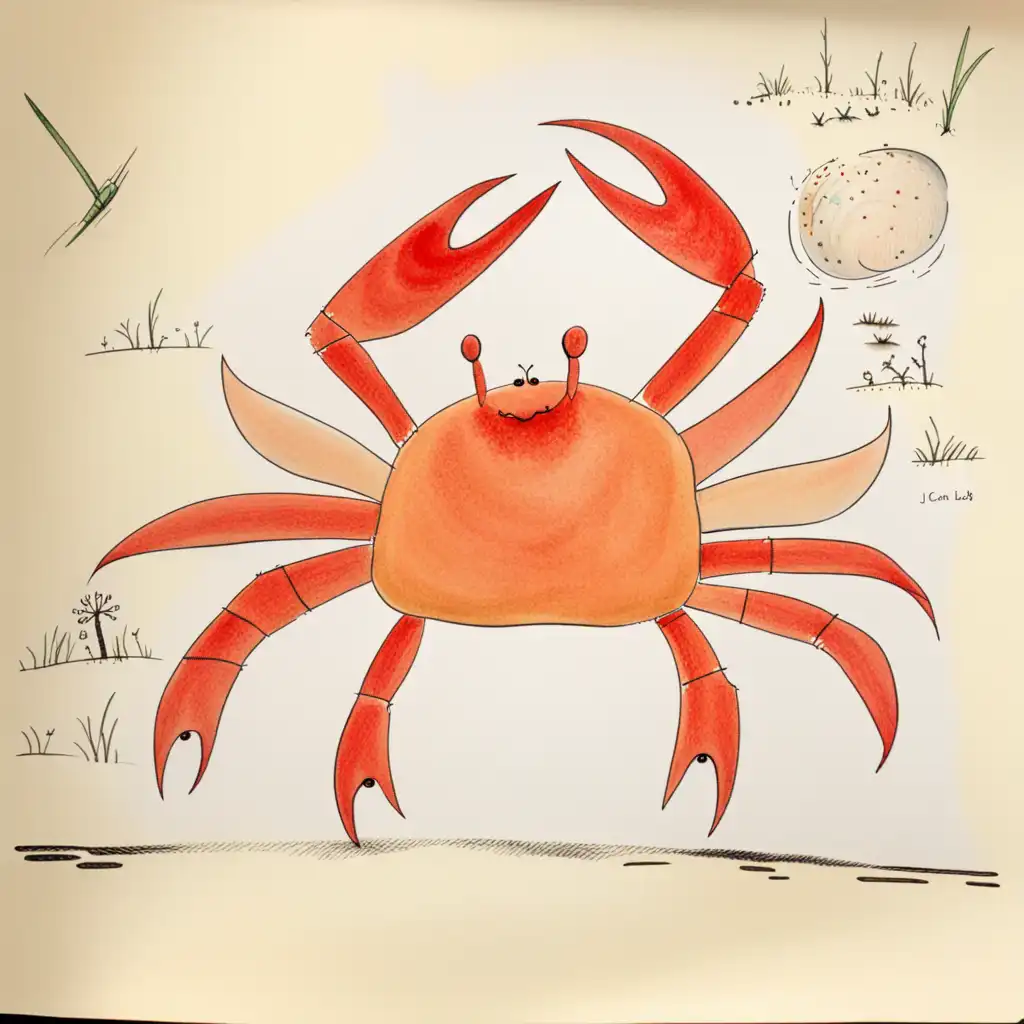
Having the physical characteristics of a crab
The child drew a picture of a crabby creature with pincers and tough shell.

ˈkræbi
Infected with crab lice (a type of parasite)
The hostel had an outbreak of crabby residents due to a lack of hygiene.
Không tải được âm thanh. Vui lòng thử lại sau.
The word 'crabby' is used to describe someone who is in a bad mood or easily irritated. For example, if your friend is being grumpy and snapping at everyone, you could say "he's being crabby today." It's a casual way of describing someone's behavior and is commonly used in everyday conversation.
Cantankerous refers to someone who is difficult to deal with, often argumentative, and bad-tempered.
Cantankerous describes a more persistent and continuous behavior, while crabby describes a temporary state of being.
Mở từ: Cantankerous →The main difference between the words crabby and cross is that crabby refers to a person who is irritable or easily annoyed, while cross refers to a person who is angry or upset over a specific situation.
Cross is applicable when someone is angry or upset about a specific situation. For example, if someone was promised a promotion at work but did not receive it, they may be described as cross.
Crabby refers to a general irritability, while cross refers to a specific emotion of anger or frustration.
Mở từ: Cross →Both crabby and grumpy are adjectives used to describe a person's mood, specifically when someone is in a bad mood or irritable.
Grumpy, on the other hand, suggests a mood that is characterized by sulking or being easily annoyed, but not necessarily expressing it outwardly or being intentionally confrontational towards others.
A person who is grumpy may be more likely to sulk or withdraw rather than actively engage with others in a negative way.
Crabby is more applicable when describing someone who is being actively difficult, while grumpy is more applicable when describing someone who is just in a generally bad mood and may not necessarily be directing their bad mood towards others.
Mở từ: Grumpy →The difference between the words crabby and irritable is that crabby refers to someone being in a bad mood or expressing displeasure in a grumpy or rude way, while irritable means that someone is easily annoyed or agitated by things.
Crabby is applicable when someone is being moody, grumpy or unpleasant, while irritable is applicable when someone is feeling on edge or easily provoked.
Both words describe negative emotions, but crabby has more of a connotation of being rude or unpleasant towards others, while irritable is more about feeling easily frustrated or annoyed.
Mở từ: Irritable →Peevish refers to a person who is easily irritated or provoked.
It describes someone who is prone to becoming annoyed or upset, often over small things. Unlike crabby, which describes a generally bad mood, peevish describes someone who can be easily provoked to anger or irritation.
Crabby describes someone who is grumpy and unpleasant, while peevish describes someone who is easily irritated or provoked.
Mở từ: Peevish →Sulky describes someone who is moody and withdrawn, and tends to isolate themselves from others. They may be silent or uncommunicative, and may refuse to participate in activities or conversations.
Crabby refers to a poor temper, while sulky refers to a lack of social interaction.
Mở từ: Sulky →Both crabby and surly are adjectives that describe a bad mood or unpleasant behavior.
However, crabby typically refers to someone who is easily irritated or annoyed, while surly refers to someone who is rude, unfriendly, and generally unpleasant to be around.
If someone is being intentionally rude and unpleasant to others, you could describe them as surly.
Crabby is a milder term that can refer to someone who is just in a bad mood or having a rough day, while surly is a stronger term that implies a more intentional and negative behavior.
Mở từ: Surly →Crabby and testy both refer to being irritable or easily annoyed, but there is a slight difference in their usage. Crabby usually means being in a bad mood or grumpy for no particular reason, while testy specifically refers to being easily provoked or angered.
For example, someone might be crabby if they didn't get enough sleep or if they're feeling unwell, but they would be testy if they were dealing with a particularly frustrating situation.
Both words can describe someone's general demeanor or mood, but testy is more likely to be used in a situation where someone is reacting to a specific provocation.
Mở từ: Testy →It all comes down to perspective. When I get crabby about something, like the delay that was driving me crazy because I told my kids I'd be home for dinner, I have to remind myself where it fits in the scheme of things. We have to say, 'That's life,' which can sometimes be comforting.
The moment I wake up, I have to eat. If I don't eat, I feel like my blood pressure is dropping. I get crabby if I have gone more than half an hour without eating.
I remember I was so crabby in my third trimester - I got gestational diabetes because I'd been acting like I was in a one-woman pie-eating contest.
If you're tired, you shouldn't make yourself exercise. Take a nap instead. It's about getting an appropriate amount of work and rest. I get very crabby if I'm not well-rested.
For me, if I'm away from my son for more than 48 hours, I'm crabby.
My friends once told me I remind them of the main character from the American comedy series 'Curb Your Enthusiasm.' I thought they must mean a sunny, affable girl-next-door, but instead I was confronted with Larry David! Crabby, moody, perversely neurotic Larry David. And the thing is, my friends were right.
Kids need to encounter kids like themselves - kids who can sometimes be crabby and fresh and rebellious, kids who talk back and disobey, tell fibs and get into trouble, and are nonetheless still likable and redeemable.