liberalization
noun liberalization
ˌlɪbrələˈzeɪʃn
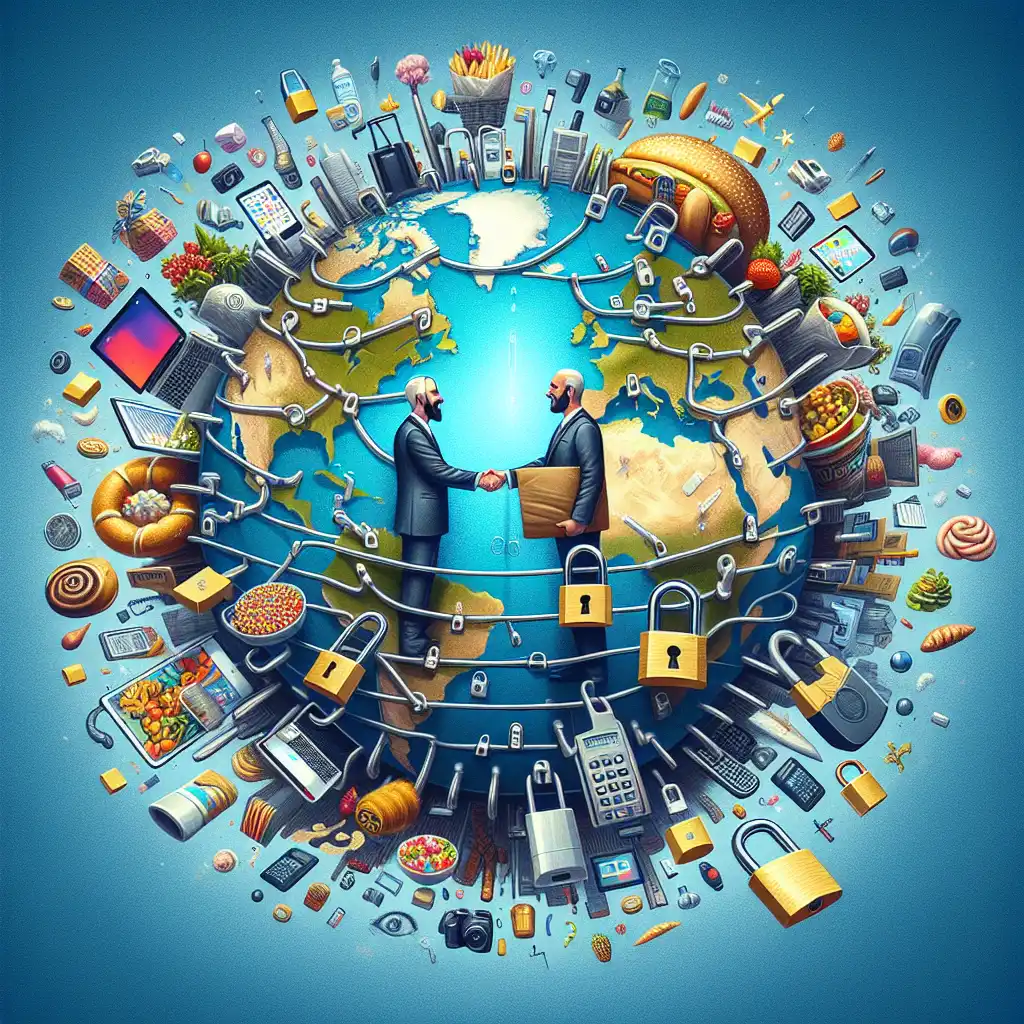
The process of making something more free or less restricted
The liberalization of trade barriers has allowed for increased global commerce.
liberalization
ˌlɪbrələˈzeɪʃn
加载中…
ˌlɪbrələˈzeɪʃn
The process of making something more free or less restricted
The liberalization of trade barriers has allowed for increased global commerce.
ˌlɪbrələˈzeɪʃn
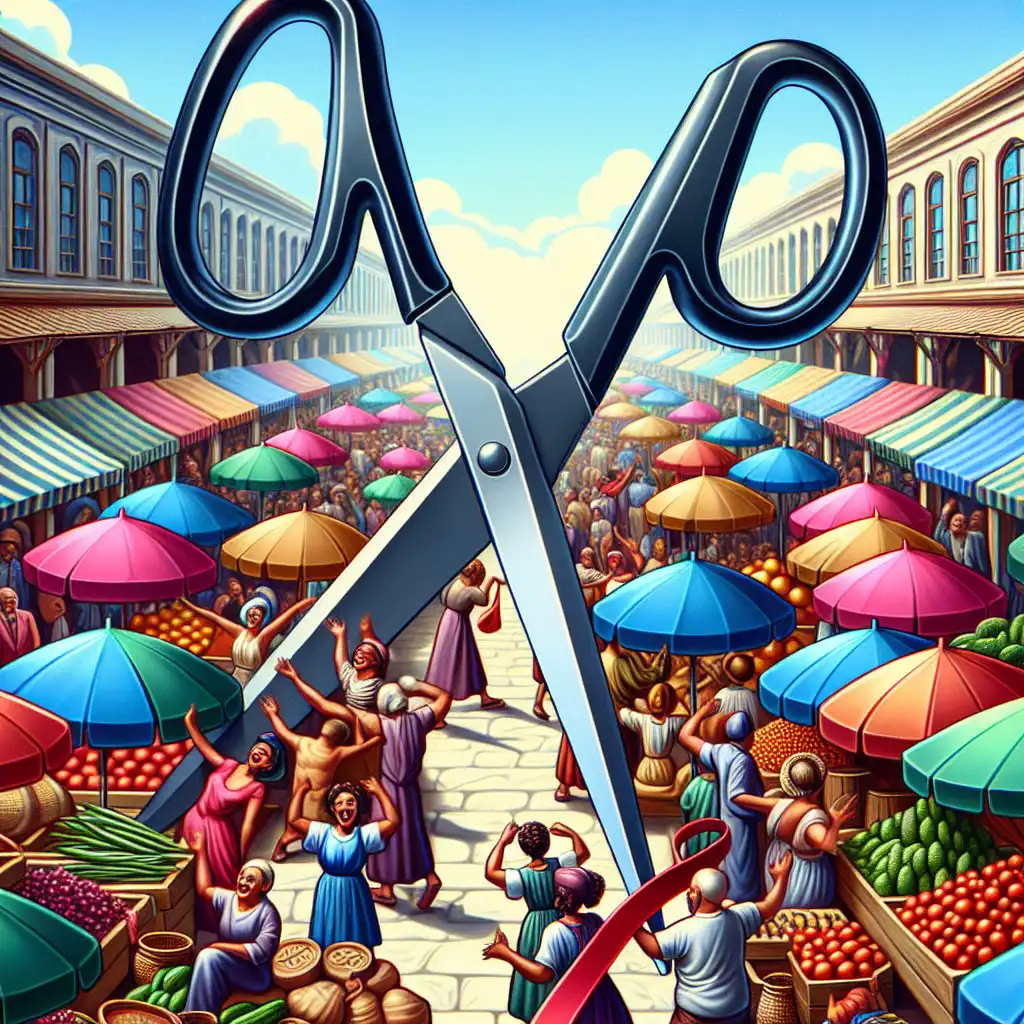
The action of making a government, economic policy, or rules less strict
The liberalization of government regulations has resulted in a more robust private sector.
ˌlɪbrələˈzeɪʃn
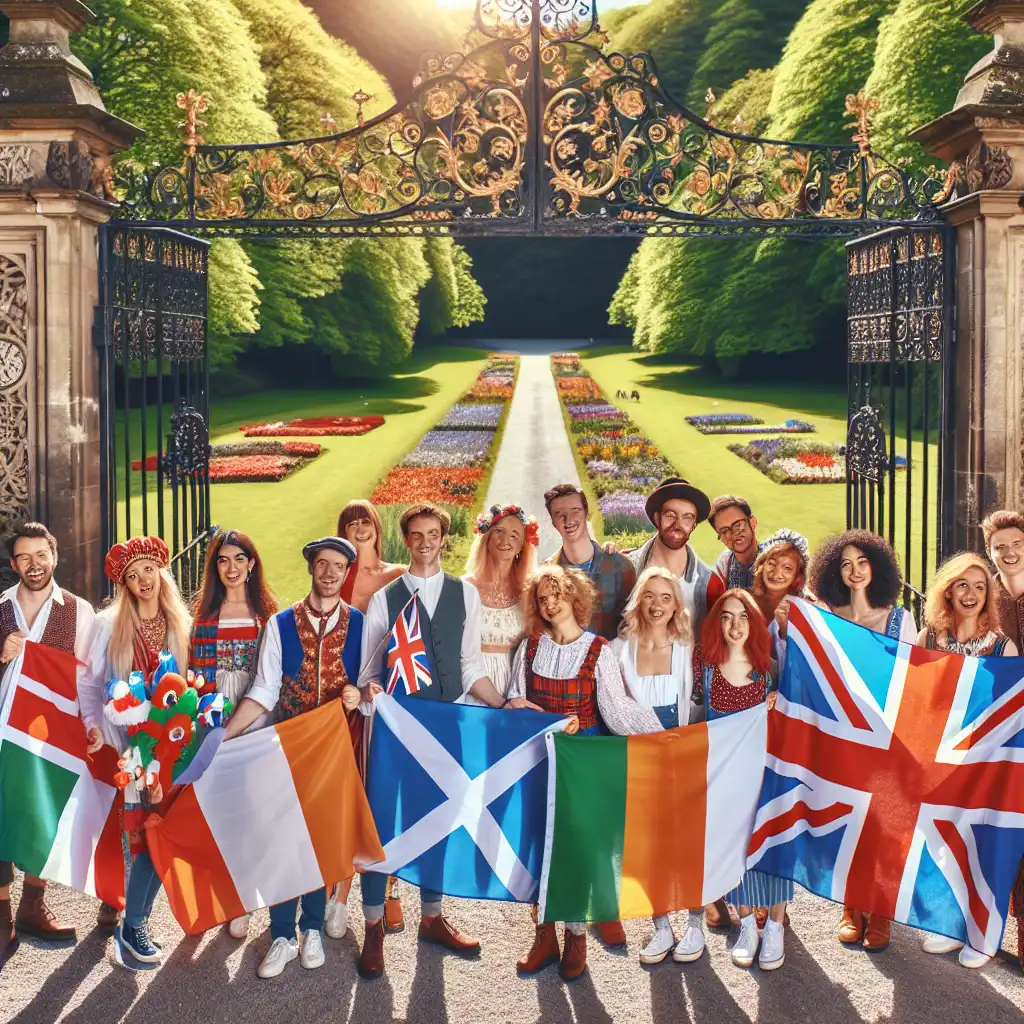
The act of making rules, laws, or social norms more progressive or liberal
The liberalization of societal norms has created a more inclusive society.
音频无法加载,请稍后再试。
Liberalization is a word that is often used in politics and economics. It refers to a process of making something more free, open, or flexible. In the context of economics, liberalization typically refers to policies that reduce government regulations and restrictions in the marketplace, allowing for more competition and choice. This can lead to lower prices, better products, and increased economic growth. In politics, liberalization can refer to changes in laws or policies that expand freedoms and rights for individuals or groups, such as the liberalization of same-sex marriage laws or the legalization of marijuana. Overall, liberalization is about making things more open and free, whether that’s in the marketplace or in society as a whole.
Globalization refers to the process of countries, cultures, and businesses becoming interconnected and integrated on a global scale.
Globalization impacts many aspects of our lives, including economics, politics, and culture.
Both globalization and liberalization can have positive and negative effects, and their impacts can vary depending on the context.
For example, globalization can lead to greater cultural exchange and economic growth, but it can also create inequality and environmental problems.
打开单词: Globalization →Open generally refers to the state of being accessible or available to all. This term is applicable in a broader range of contexts, from open communication to open borders.
Open refers to a lack of restrictions or barriers to entry.
Both terms relate to reducing restrictions, but liberalization is specifically related to government policies, whereas open can be applied more broadly to a range of situations.
打开单词: Open →Regulation refers to the implementation of rules and guidelines that control or limit certain activities. For example, the regulation of the financial industry can help prevent fraudulent behavior and protect consumers.
Both liberalization and regulation play important roles in shaping the economy and society.
Liberalization can lead to greater competition and innovation, while regulation can ensure fairness and safety. The appropriate use of each depends on the context and goals of the situation at hand.
打开单词: Regulation →Love -- you're doing it...
在 YouTube 上观看 ↗The Western world loves liberalisation, provided it doesn't affect them.
Technology makes way for...
在 YouTube 上观看 ↗If the two largest economies in the world don't show us a good example on trade liberalization, then you can't expect the smaller and weaker economies to take the risks. The initiative, the momentum and the drive really do have to come from Japan and the U.S.
The rise and fall of the...
在 YouTube 上观看 ↗The only thing which is important to do is to tell about the values I share. It's to say how important liberalization of Russia is.
Now financial liberalization is just a catastrophe waiting to happen, and there are very well understood reasons for that.
I certainly believe that we gain through open trade and liberalisation.
There cannot be any concessions on the matter of human rights or the criteria for visa liberalisation.
We have established a new basis in our country in which economic liberalization would continue to flourish alongside democratic forces and deregulated power structure.
The EU and the U.S. often work together to develop international standards. This is the case in fighting terrorism and transnational crime, advancing trade liberalization, and combating piracy and intellectual property violations.
Globalization and trade liberalization were supposed to make us all better off through the mechanism of trickle-down economics. What we seemed to be seeing instead was trickle-up economics, accompanied by a destruction of democratic politics, as we moved ever closer to a system of 'one dollar, one vote' as opposed to 'one person, one vote.
Trade liberalization can be contagious, and the opening of markets regionally can spark progress multilaterally as well.