kitsch
noun kitsch
kɪtʃ
Art, decoration, or music that is thought to be too exaggerated, not in good taste, or low quality.
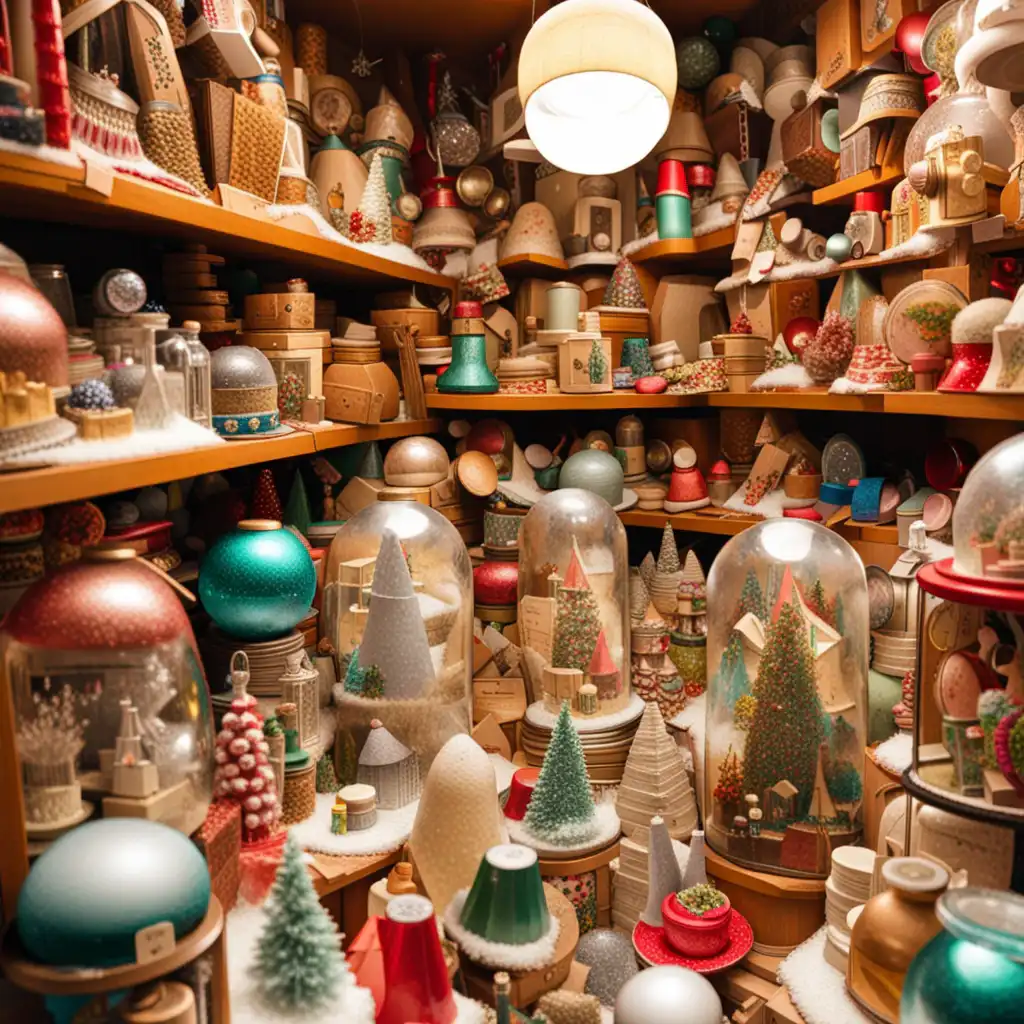
The gift shop was full of kitsch souvenirs like glowing snow globes and tacky magnets.
kitsch
kɪtʃ
Đang tải…
kɪtʃ
Art, decoration, or music that is thought to be too exaggerated, not in good taste, or low quality.
The gift shop was full of kitsch souvenirs like glowing snow globes and tacky magnets.
kɪtʃ
Looking like or relating to kitsch.
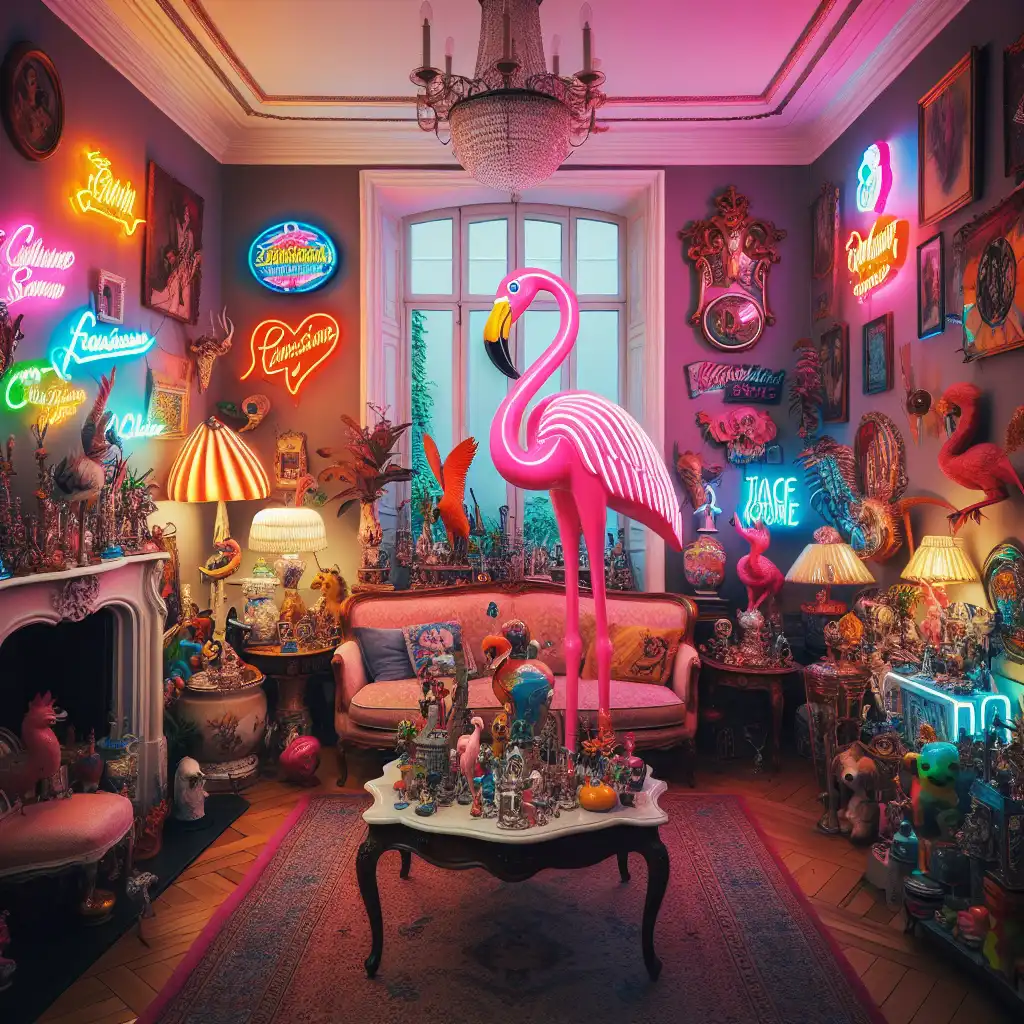
She decorated her living room in a kitsch style, with pink flamingos and neon signs.
Không tải được âm thanh. Vui lòng thử lại sau.
The word 'kitsch' is used to describe an object or artwork that is over-the-top, cheesy, or lacking in good taste. It is often used to describe something that is overly sentimental or cliché. Kitsch items are usually cheaply made, colorful and often have a nostalgic quality to them. Examples of kitsch include velvet paintings of Elvis, ceramic figurines of animals, and plastic flamingos for your lawn. The term can be used in a positive or negative way, depending on the context. For example, some people enjoy collecting kitsch items as a way of embracing their campiness, while others might criticize them for being tacky or low-brow.
The term cheap refers to something that is inexpensive or of low cost. It usually means that something is of lower quality or lower value, but can still be functional.
Mở từ: Cheap →Gaudy describes something that is excessively bright, colorful, or showy, often in a way that is considered tasteless or tacky.
Gaudy describes something that is overly flashy or attention-grabbing in a negative way, while kitsch describes something that is campy or ironic in a way that is intended to be humorous or playful.
Mở từ: Gaudy →Kitsch and schmaltzy are both words used to describe something that is overly sentimental or cheesy, but they have slightly different connotations.
Schmaltzy on the other hand, describes something that is excessively sentimental or maudlin, but may not necessarily be of poor quality.
For example, a romantic comedy with a predictable storyline and an overly sappy ending might be described as schmaltzy.
Overall, both words describe things that might be considered tacky or cloying, but kitsch tends to refer to visual aesthetics, while schmaltzy refers to emotional content.
Mở từ: Schmaltzy →It is often characterized by being overly sentimental, cutesy, or nostalgic. For example, a painting of a sunset with unicorns flying in the background might be considered kitsch.
Sentimental generally refers to something that evokes strong emotions or feelings of tenderness or nostalgia.
It can describe things that are sincere or heartfelt, such as a love letter, a sentimental song, or a family heirloom. Unlike kitsch, sentimental objects are not necessarily considered tacky or without artistic merit.
Kitsch is generally seen as a negative term used to describe something that is overly sentimental in a cheap or tacky way, while sentimental can describe something that evokes strong emotions in a sincere or heartfelt way.
Mở từ: Sentimental →Both kitsch and tacky refer to something that is considered to be in poor taste or of low quality.
However, kitsch implies that the object or artwork is intentionally made to be cheesy or ironic, while tacky refers to something that is vulgar or lacking in elegance.
A gaudy gold-plated toilet is tacky because it is ostentatious and lacks refinement.
Kitsch can describe a wide variety of artistic and cultural objects, while tacky is often used to describe things that are flashy or showy, such as clothing or decor.
Mở từ: Tacky →Kitsch refers to art or objects that are considered to be in bad taste or lacking artistic merit, often due to being excessively sentimental, gaudy, or tacky.
Taste refers to a person's individual sense of what is aesthetically pleasing or attractive, based on personal preference, cultural background, and education.
It is a subjective term, and what may be considered tasteful by one person could be seen as distasteful by another.
Kitsch describes something that is universally considered to be in poor taste, whereas taste is more subjective and can vary depending on the individual or cultural context.
Mở từ: Taste →Trite refers to something that is overused, clichéd, and lacking originality or creativity. Example: "Don't judge a book by its cover.".
Kitsch is often intentionally over-the-top or tacky and is meant to be enjoyed ironically, while trite refers to something that is unoriginal and lacking in creativity.
Mở từ: Trite →Vulgar refers to something that lacks taste or refinement, and can be considered crude or offensive. Vulgar items may display indecent or inappropriate content, and are usually considered insulting or inappropriate for public view.
Kitsch is seen as being cheesy or sentimental, while vulgar is seen as being offensive or crude. Kitsch may not be offensive, but lacks artistic merit, while vulgar content is always considered inappropriate.
Mở từ: Vulgar →Steven Pinker: Human...
Xem trên YouTube ↗One of the most inexplicable characteristics of the Germans is their love of kitsch.
Predictions of tech's...
Xem trên YouTube ↗Kitsch is very important to me.
I did my homework and didn't go out much, and had a very highly developed kitsch fantasy life where I dreamed of being a dancing girl.
When applied to politics and taken to its extreme, kitsch is the mask of death. Fascism was all aesthetics. There was no core principle to it. There was no truth to it.
The Super Bowl is Americana at its most kitsch and fun.
I'm a plethora of stolen jokes and kitschy references.
I try not to be overly nostalgic, and I don't use nostalgia to be kitschy.
Now and then I find a kitschy series I love.
If you can't take the kitsch, get out of the kitchen.
No matter how much we scorn it, kitsch is an integral part of the human condition.