immovable
adjective immovable
ɪˈmuːvəbl
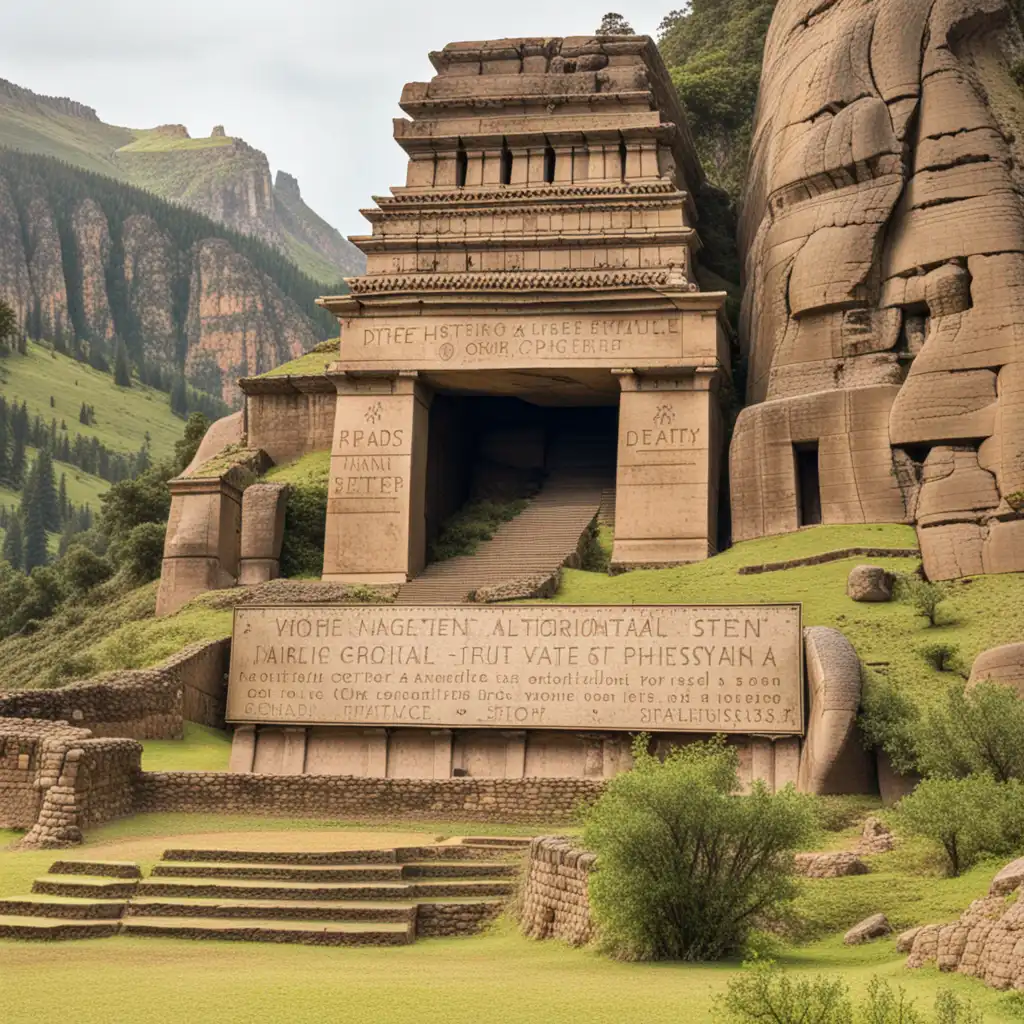
Not able to be moved from its place
The ancient monument is immovable due to its historical value.
immovable
ɪˈmuːvəbl
लोड हो रहा है…
ɪˈmuːvəbl
Not able to be moved from its place
The ancient monument is immovable due to its historical value.

ɪˈmuːvəbl
Not changing or showing little emotion
His immovable expression made it hard to read his emotions.

ɪˈmuːvəbl
Not being influenced or convinced
He was immovable on his decision to retire.

ɪˈmuːvəbl
Related to property that cannot be moved
Immovable assets include land, buildings, etc.
ऑडियो लोड नहीं हो सका। कृपया बाद में फिर कोशिश करें।
The word 'immovable' means something that cannot be moved or changed. It's often used to describe objects or people that are so heavy or fixed that they cannot be moved easily. For example, a large rock or a building might be described as immovable. It can also be used to describe a person's beliefs or opinions, meaning they are unwilling to change their stance or opinion. Overall, 'immovable' is a word used to describe things that are firmly stuck in place or unchangeable.
Firm means having a solid or stable foundation, while the word immovable means incapable of being moved.
Firm can be applied in situations where something needs to be stable or grounded, such as a building or a decision.
शब्द खोलें: Firm →Fix means to adjust or repair something that is broken or not working properly. For example, if a chair is wobbly, you would try to fix it so it becomes stable again.
Fix is applicable when something needs to be adjusted or repaired, while immovable is applicable when something cannot be moved or changed.
शब्द खोलें: Fix →The difference between immovable and inflexible is that immovable refers to something that cannot be moved physically, while inflexible refers to something that cannot be changed or adapted easily.
A person who is unwilling to change their mind or consider different options might be described as inflexible.
Both words can be applied to different situations depending on the context. Immovable might be used to describe a large object such as a building or a boulder that cannot be moved easily, while inflexible might be used to describe a rule or policy that cannot be changed easily.
शब्द खोलें: Inflexible →Static means something that is not moving or changing.
Immovable refers to something that physically cannot move, whereas static refers to something that is not currently moving or changing but has the potential to be moved.
शब्द खोलें: Static →Immovable means something cannot be moved or changed position easily, while stationary means something is not moving but can be moved if necessary.
For example, a boulder is immovable because it cannot be moved without heavy machinery, while a parked car is stationary because it is not currently moving but can be driven away.
Immovable describes objects that are very difficult or impossible to move, while stationary describes objects that are not currently in motion but can be moved if needed.
शब्द खोलें: Stationary →Steady refers to something that is consistent, stable, or firm, like a person's pulse or a ship's heading.
Immovable describes something that cannot be moved physically, while steady describes something that remains constant and predictable.
शब्द खोलें: Steady →Stiff refers to something that is rigid, inflexible, or unnaturally firm.
It is typically used to describe things such as muscles, joints, or fabrics. For example, "After a long workout, my muscles felt stiff and sore.".
Immovable refers to something that cannot be changed or moved, while stiff refers to something that is rigid or inflexible.
शब्द खोलें: Stiff →Yield means to give way or surrender to something or someone stronger.
This word is applicable to situations like traffic, where one car has to give way to another, or in a confrontation where one person yields to the other.
It can also be used in agriculture, where a crop yields a certain amount of produce.
Immovable describes a lack of movement or change, while yield describes giving way or surrendering. They are applicable in different situations, depending on what needs to be described.
शब्द खोलें: Yield →Is war between China and...
YouTube पर देखें ↗The centre of the system of the world is immovable.
Nalini Nadkarni: For the...
YouTube पर देखें ↗You find yourself in the world, without any power, immovable as a rock, stupid, so to speak, as a log of wood.
Beavers: Dam Good...
YouTube पर देखें ↗All mankind is divided into three classes: those that are immovable, those that are movable, and those that move.
Modernity is the transient, the fleeting, the contingent; it is one half of art, the other being the eternal and the immovable.
I actually think that self-interest is overrated as an all-purpose guide to political motive. It leaves out something at least as powerful and immovable - individual psychology.
It's the job of the artist to take something that everybody thinks they know about, they've made a decision about, they will be immovable on, and to shine a light on it.
My mother's openness has remained inspiring to me. I strive to be a skeptic, in the best sense of that word: I question everything, and yet I'm open to everything. And I don't have immovable beliefs. My values shift and grow with my experiences - and as my context changes, so does what I believe.
I've learned over a period of years there are setbacks when you come up against the immovable object; sometimes the object doesn't move.
Disciples who are steadfast and immovable do not become fanatics or extremists, are not overzealous, and are not preoccupied with misguided gospel hobbies.
In India, all public servants employed by the central or a state government or any other public authority under their control are required under the relevant civil service rules to submit returns of movable and immovable assets owned by them and their immediate family.