cavort
verb cavort
kəˈvɔːrt
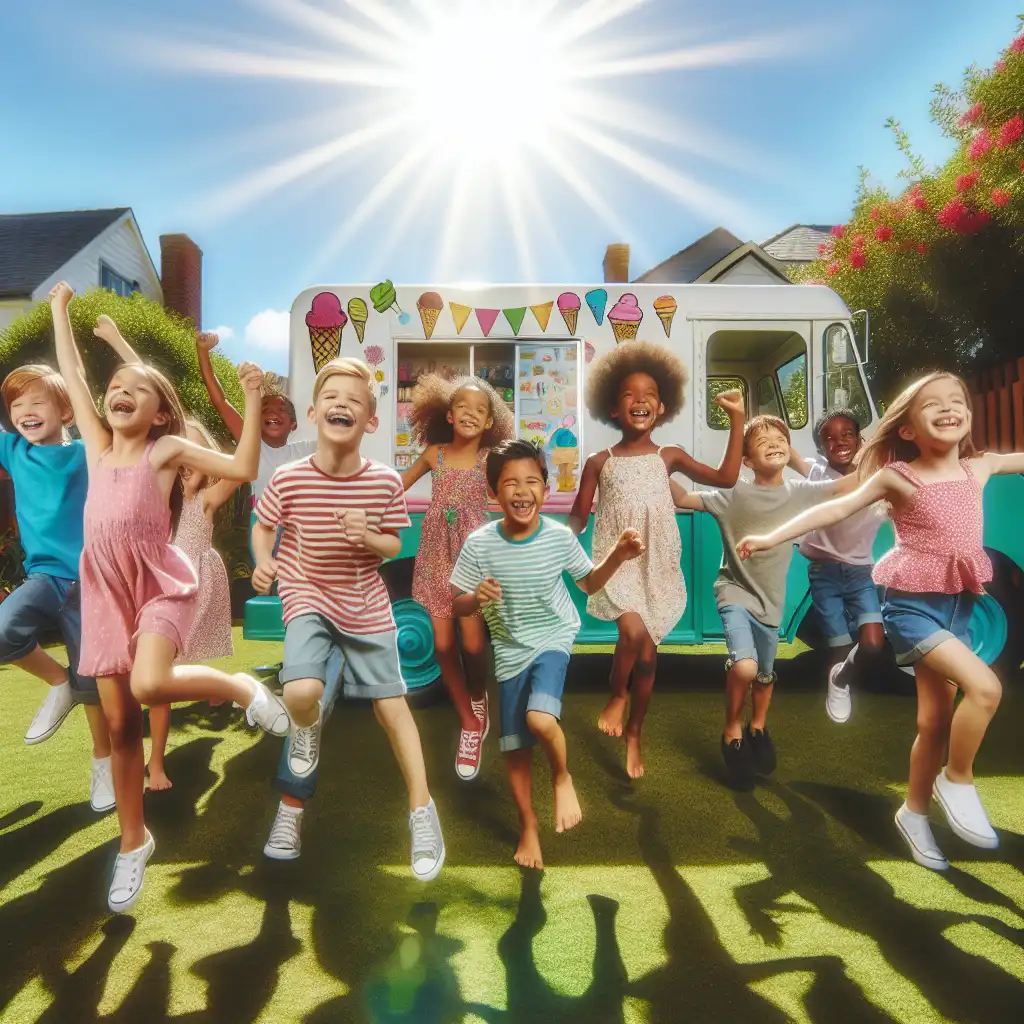
To jump or dance around happily
The kids began to cavort in the yard when they saw the ice cream truck.
cavort
kəˈvɔːrt
読み込み中…
kəˈvɔːrt
To jump or dance around happily
The kids began to cavort in the yard when they saw the ice cream truck.

kəˈvɔːrt
To spend time in an enjoyable and often wild or improper way
He is known to cavort with dubious characters in the city's nightclubs.
音声を読み込めませんでした。しばらくしてからもう一度お試しください。
Cavort means to play or dance around excitedly and often boisterously. It is used to describe someone who is engaged in playful and joyful activity. You can use the word cavort when talking about children or animals romping around, or adults having a good time dancing and enjoying themselves. It is not usually used in serious or formal contexts.
Both cavort and dance involve movement to music, but cavort suggests a playful, carefree, sometimes even wild style of moving, and is often used to describe animals or people frolicking around.
Dance is a more general term that can refer to any style of movement to music, from ballet to ballroom to hip hop. If you want to describe someone skipping around and playfully moving in a silly way, you might use the word "cavort." But if you're talking about a formal event where people are gracefully moving in a traditional way to specific music, dance would be the better choice.
単語を開く: Dance →Both cavort and frolic refer to playful activities but they are used in different contexts.
Frolic implies a more lighthearted and gentle play, often with a sense of joy and happiness. For example, children frolicking in a field of flowers or a couple frolicking on a beach.
Both words can be used interchangeably in some cases, but in general, cavort is used for more animated activities, while frolic is used for more gentle and carefree activities.
単語を開く: Frolic →Both cavort and gambol describe playful and energetic movements, but cavort usually implies a more mischievous or boisterous behavior, while gambol suggests a more gentle and carefree bounding or frolicking.
For example, a group of children might gambol in a meadow, leaping and playing with joy, while a group of teenagers might cavort in a parking lot, jumping around, making noise, and generally causing a ruckus.
Gambol can be used in more innocent or charming contexts, while cavort is better suited to situations that involve a bit more exuberant or unruly behavior.
単語を開く: Gambol →Leap means to jump over or across something or to jump a certain distance horizontally or vertically, usually with speed or agility.
Cavort describes playful and joyful jumping or moving, while leap describes a more focused and purposeful jump.
単語を開く: Leap →Cavort usually means to jump and move around in a playful or silly way, often accompanied by shouting or laughter.
It's a bit more wild and exuberant than the word "play."
Play can mean a number of things, such as engaging in a game or sport, or pretending to be something or someone else.
However, cavort is often used to describe more uninhibited or carefree behavior, while play can describe a wider range of activities.
単語を開く: Play →Cavort means to frolic or play in a joyful and lively way, often used to describe energetic activity or movement. Prance on the other hand, specifically refers to a horse's gait where they lift their feet high and step forward quickly.
Both words are applicable when describing playful or energetic movement, but prance is more specific to horses, while cavort is more general and can be used for any kind of lively or joyful movement.
単語を開く: Prance →The words cavort and romp both refer to playful activity, but cavort usually means jumping or leaping around more energetically and with less control, while romp typically means playing in a more carefree and joyous way.
For example, a group of puppies might cavort around a backyard, bouncing and tumbling over one another, while children might romp through a park, playing games and laughing together.
Cavort is often used to describe more wild or exuberant behavior, while romp is usually associated with playful, easygoing fun.
単語を開く: Romp →Skip means to move by hopping on one foot and then the other in a light and bouncy manner. It is a more subdued word that can describe someone who is happy or carefree, but who is not necessarily being very active.
Cavort portrays a more active and lively behavior than skip, which is more light and bouncy.
単語を開く: Skip →Killer Whale vs. Sea...
YouTube で見る ↗To rock isn't necessarily to cavort.
Terrified Monkeys Scared...
YouTube で見る ↗Actually, what will be shown from here to eternity will be Burt Lancaster and Deborah Kerr cavorting on the beach. 'From Here to Eternity' must have seemed like a chore to its director, Fred Zinnemann.
Robert Muggah: How to...
YouTube で見る ↗Cavorting around fantasy-style environments with a rampaging horde of sycophantic psychos is inherently amusing.
How science & reason...
YouTube で見る ↗We live in a crazily youth-orientated world nowadays. It's a trickle-down thing. We see pictures of lithe, attractive celebrity couples such as Brad and Angelina or the Beckhams cavorting around, covered in tattoos, stomachs as flat as the singing in early 'X Factor' rounds.
As a child growing up in a grey-skied Yorkshire village, I would occasionally happen upon a Bollywood movie on the television. After a few minutes watching a bunch of sari-clad dancers cavorting on a Swiss mountain to tuneless music, I would switch over to some proper drama about housing estates and single mothers.