population
noun population
ˌpɑːpjuˈleɪʃn
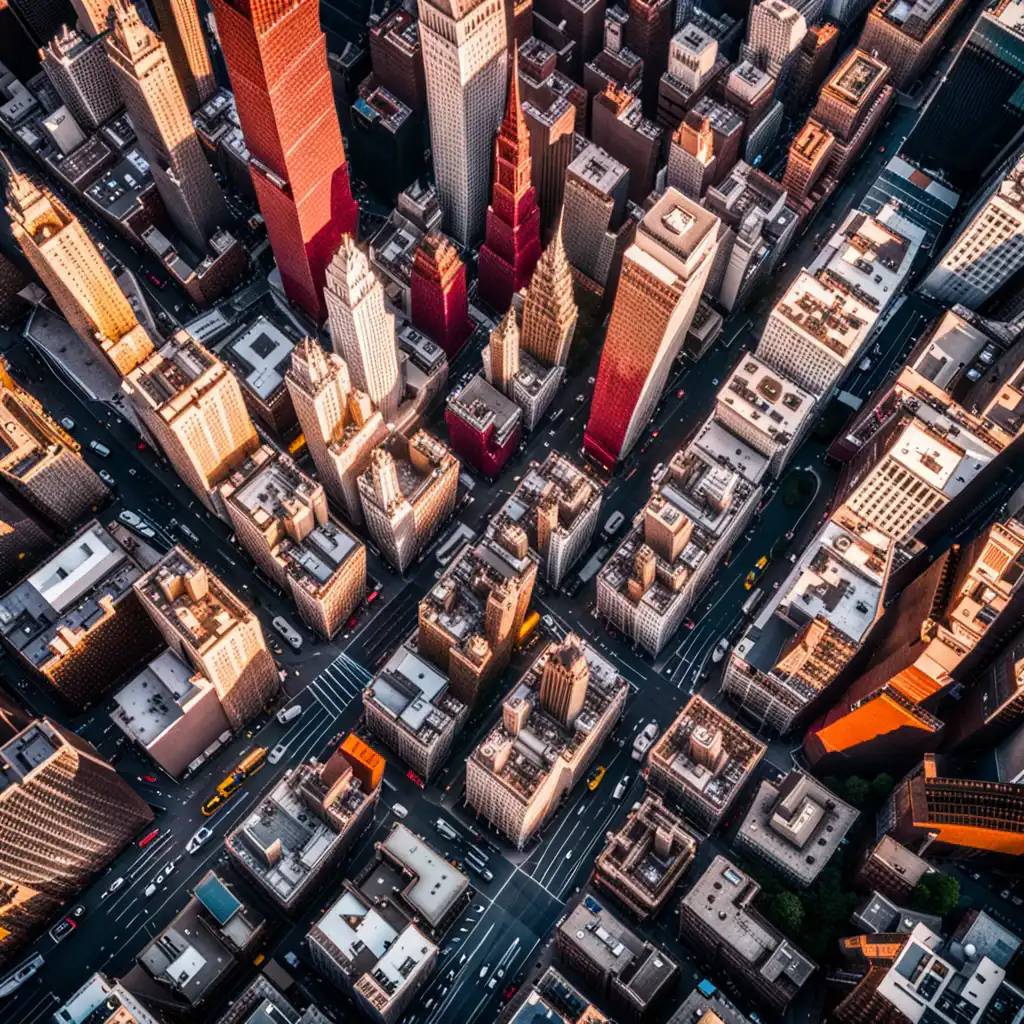
The total number of people living in a specific area.
The population of New York City is over 8 million.
population
ˌpɑːpjuˈleɪʃn
Loading…
ˌpɑːpjuˈleɪʃn
The total number of people living in a specific area.
The population of New York City is over 8 million.
ˌpɑːpjuˈleɪʃn
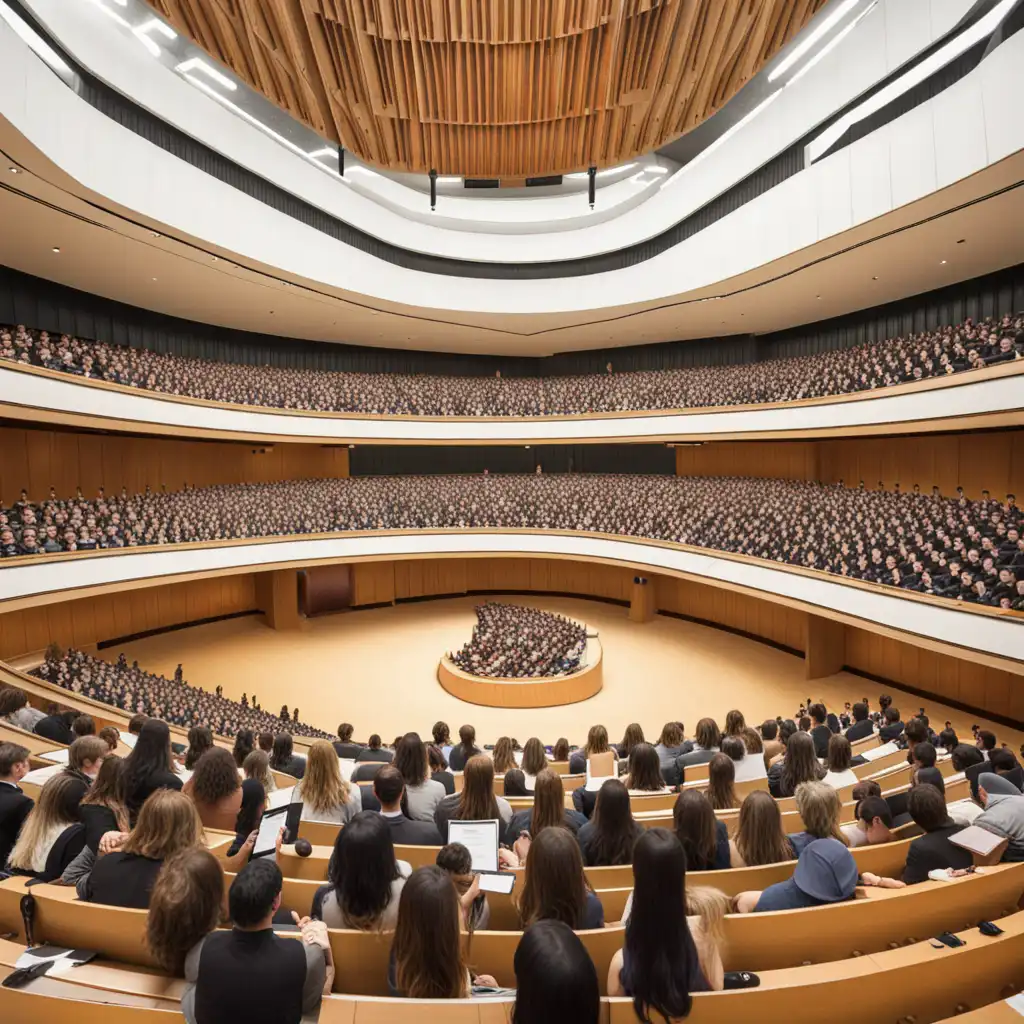
All the individuals of a specific group considered together.
We surveyed a population of 1000 students for this study.
ˌpɑːpjuˈleɪʃn
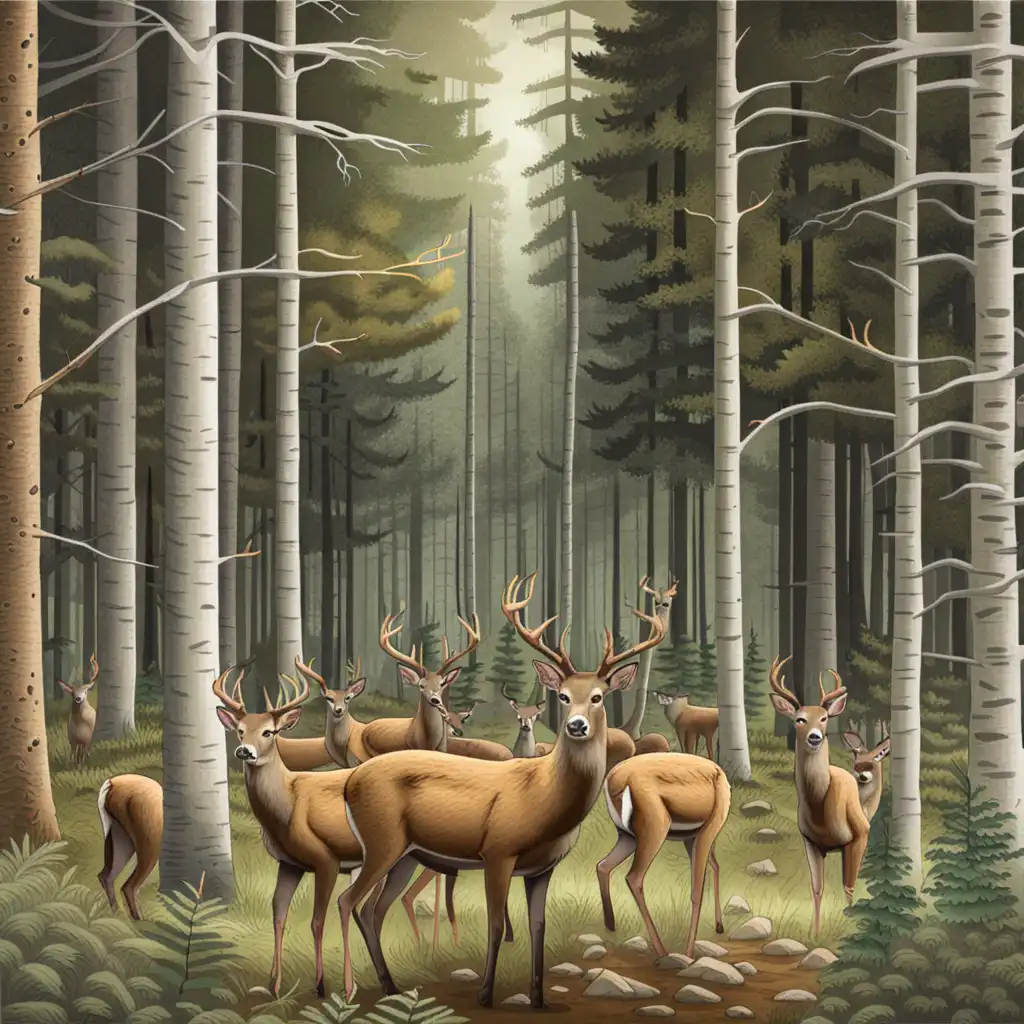
In biology, a community of animals, plants, or humans among whom reproduction is possible.
The forest supports a population of several hundred deer.
ˌpɑːpjuˈleɪʃn
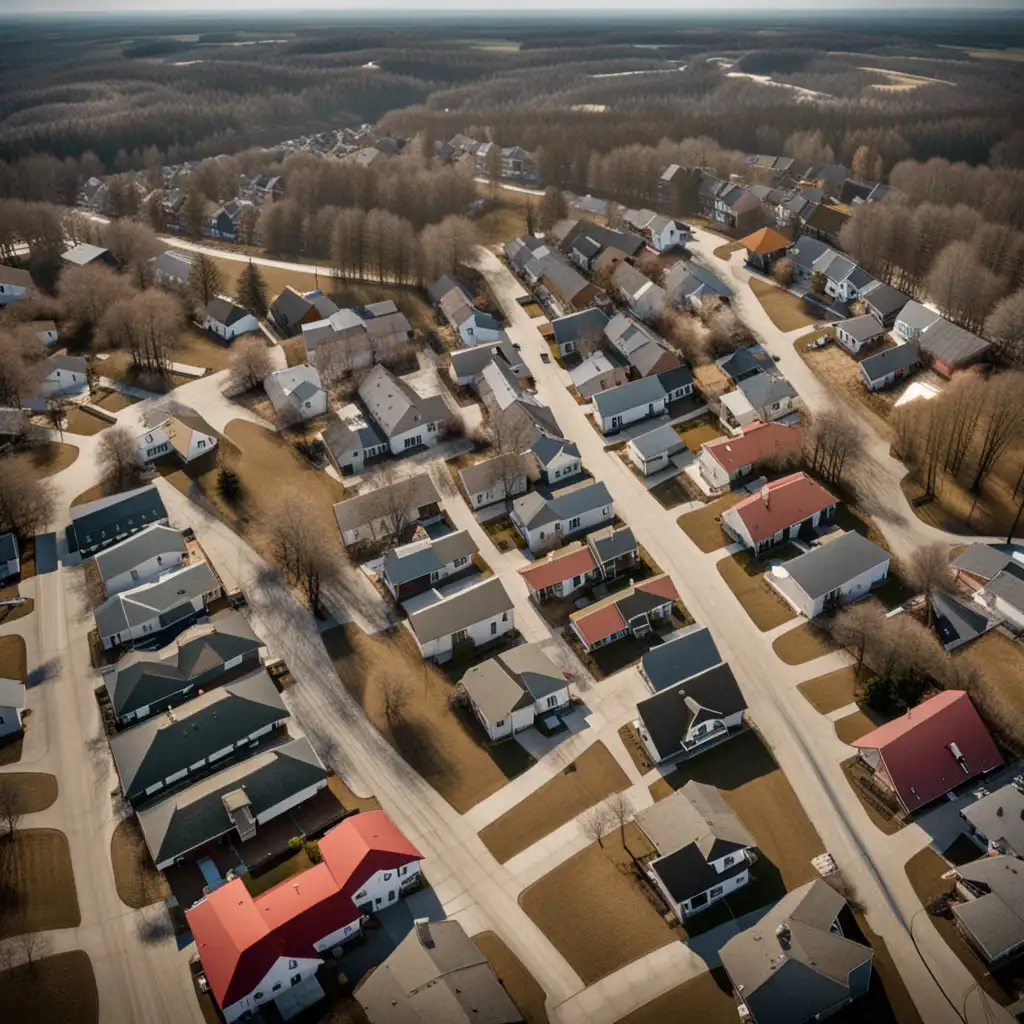
In statistics, a complete set of items that share at least one property in common that is the subject of a statistical analysis.
For our research, the population will be all the people living in this town.
Audio could not be loaded. Please try again later.
The word 'population' is used to refer to the number of people who live in a particular area or country. It is also used to describe a group of animals or plants living in a specific area. You might hear people talk about the population of a city, a state, or a whole country. People use this word when they want to know the size or demographics of a group of living things. For example, scientists often study the population of certain animal species to learn more about them and how they might be affected by changes in their environment.
Citizen refers to an individual who is legally recognized by a country or state as being a member of that country or state.
Citizenship gives a person certain rights and privileges, such as the right to vote and the ability to receive government services.
The word population refers to a group of people living in a particular area, regardless of their legal standing. It includes citizens as well as non-citizens, such as tourists, refugees, and immigrants.
Citizen refers to a legal status, while population refers to a group of people living in a specific area. Citizen is applicable in matters of legal recognition, rights, and responsibilities, while population is more general and used in demographic or statistical contexts.
Open word: Citizen →Community refers to a group of people who share common interests, values, or goals and are living together in a particular geographical area.
The term community is more specific and refers to a group of people who are connected by something more than just living in the same place.
It is applicable when talking about small neighborhoods, interest groups, or cultural or religious communities. The term population is more general and is applicable when referring to larger areas such as cities, countries, or continents, where the people living there may not necessarily have a specific connection with each other.
Open word: Community →The term population refers to the entire group of people living in a particular area, city, country, or the world. Demographic refers to the characteristics of the people in a particular population, such as age, gender, income, education, ethnicity, religion, and more.
However, if we say that the demographic of that city is mostly comprised of middle-aged people with high-paying jobs, it means that most of the people living in that city fall under that particular age and income group.
Population refers to the number of people living in a particular area, while demographic refers to the various characteristics that define the people in that area.
Open word: Demographic →Group refers to a collection of people or things that have something in common. For example, a group of friends, a group of trees, or a group of athletes.
It is applicable when you want to refer to a specific group of people or things.
Population refers to the entire group of people or things that you are interested in studying. For example, the population of a country, the population of a species, or the population of a city.
It is applicable when you want to refer to a larger group of people or things that share similar characteristics.
Group is used when referring to a specific subset of a population, while population refers to the entire set of people or things.
Open word: Group →Inhabitant refers to an individual person, animal or organism that lives permanently or temporarily in a particular place.
The word population refers to the whole group of people, animals or organisms living in a particular area. It is the total number of inhabitants living in a specific geographic region.
For instance, if we talk about the inhabitants of New York City, we are referring to the people that are living permanently or temporarily in the city.
Inhabitant refers to a single individual while population refers to the total number of individuals in a particular area.
Open word: Inhabitant →Person refers to an individual human being.
Population refers to a group of people or organisms living in a particular area.
It describes the entire group of people in a specific location, whether it is a city, country, or even the world.
For example, if you are talking about yourself, you would use the word "person." But if you are talking about the entire group of people in a city or state, you might use the word "population."
Open word: Person →Resident refers to a person who lives in a specific place, whether permanently or temporarily. It typically implies that the person has a legal right to reside in that place, such as a citizen, resident alien, or visa holder.
In simpler terms, population is the total number of people in a place, while resident refers to individuals who live there.
For example, the population of the United States is over 300 million, but not all of these people are residents, as some may be tourists, students, or temporary workers.
Conversely, a small town may have a population of only a few thousand, but all of them are residents, as they live there permanently.
Open word: Resident →Population refers to the number of people in a particular area or country. Society refers to a group of people who live together in a particular area, have a shared culture and attitudes, and interact with each other on a regular basis.
For example, the population of Tokyo is around 14 million people, while Japanese society is made up of individuals who share cultural traditions, values, and beliefs.
It is applicable to use population when discussing statistics or demographics, while society is used when discussing cultural practices and social interactions.
Open word: Society →requires knowing not just the total size of the population but its internal characteristics, such as age and gender distribution. So how can we keep track of all that data in a way that makes it easy to comprehend? Complex data is more easily interpreted through visualization,
Watch on YouTube ↗Larger-than-life characters make up about .01 percent of the world's population.
the forests of the fruit the cassowaries depend on they can eat their eggs and even their chicks with such a small population this new threat could see the cassowary disappear forever from
Watch on YouTube ↗Three-quarters of the world's population doesn't have enough to eat!
We want to help nourish the growing population without further destroying the environment. I believe this is the greatest challenge of our time. Now genetic modification is not new;
Watch on YouTube ↗The increase in the world's population represents our victory against death.
increase in population numbers very rapidly well life is really are sort of the perfect storm I think in many ways this basis species goes they have a lot of characteristics which make them very successful in the invaded range they reproduce very early in life so they
Watch on YouTube ↗I support population control. I think USA should do the same.
really that empowering the introverted half of the population is going to benefit us all but most of all I invite you to go out and shake the world gently thank you very much
Watch on YouTube ↗Mexico has not achieved the advances that the population demands or deserves.
called narcissistic personality disorder. It affects one to two percent of the population, more commonly men. It is also a diagnosis reserved for adults. Young people especially children can be very self-centered, but this might just be a normal part of development.
Watch on YouTube ↗When you destroy a population, once femicide happens, we're going to see the end of humanity, because I don't know how you sustain a future without vitalised women.
were designed for the right-handed majority. Because lefties are worse at using these tools, and suffer from higher accident rates, they would be less successful in a purely cooperative world, eventually disappearing from the population. So by correctly predicting the distribution
Watch on YouTube ↗Women are half the population of the world, and yet there are so few female characters on-screen.
full of illiterate peasants to a modern industrial superpower, with one of the world's best educated populations, unprecedented opportunities for women, and some of the most important scientific advancements of the century. Life may not have been luxurious,
Watch on YouTube ↗If science has a lot to do with what works, then clearly there's much about today's social and economic setup that isn't scientific, because things aren't working very well for a majority of the world's population or the environment.
That's ten thousand times more power than the planet's population uses. So is it possible that one day the world could be completely reliant on solar energy? To answer that question, we first need to examine how solar panels convert solar energy to electrical energy.
Watch on YouTube ↗I would love to see more women directors because they represent half of the population - and gave birth to the whole world. Without them writing and being directors, the rest of us are not going to know the whole story.
Even cremation the second most common burial practice in the world, comes with a high cost. As for the question of running out of space, the issue isn't so much about total land in the world as it is that large populations cluster together within cities. Most of the big cities in the world
Watch on YouTube ↗We have three billion people, half the world's population today, living on less than two dollars a day.