
enervation
noun enervation
ˌenərˈveɪʃn
A feeling of being drained of energy or vitality; debility
The illness left me in a state of complete enervation.
enervation
ˌenərˈveɪʃn
Loading…
ˌenərˈveɪʃn
A feeling of being drained of energy or vitality; debility
The illness left me in a state of complete enervation.
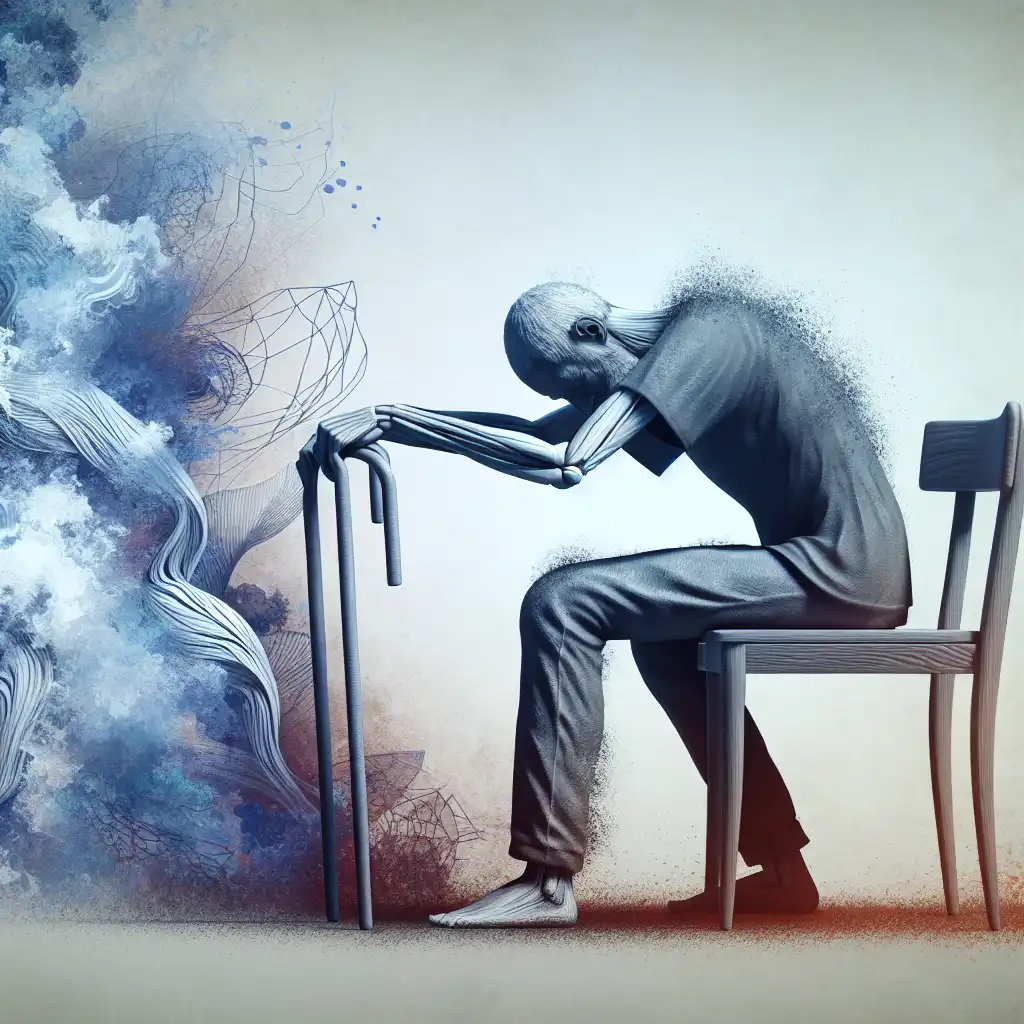
ˌenərˈveɪʃn
The action or state of debilitating or reducing strength or effect
The enervation of muscles can lead to severe mobility problems.
Audio could not be loaded. Please try again later.
Enervation means to feel tired or weak because of a lack of energy. You can use it to describe how someone feels after doing something exhausting or how a situation can drain your energy. For example, "After the long hike, John felt enervated and could barely move." "The constant stress of her job caused her to experience enervation every day."
Deplete means to reduce the amount or quantity of something. It is applicable when referring to material things like resources, supplies, or even energy - for example, we can deplete our savings, or we can deplete the soil of its nutrients.
Open word: Deplete →Exhaustion is a state of extreme tiredness or fatigue usually caused by physical or mental exertion, illness, or lack of sleep.
Enervation is a feeling of a lack of energy or motivation, while exhaustion is a physical state of extreme tiredness.
Enervation is often applicable in situations where one feels a lack of excitement or inspiration, while exhaustion is applicable when one has physically drained their energy.
Open word: Exhaustion →Fatigue refers to a physical or mental exhaustion that is caused by physical exertion, illness, or lack of sleep.
Enervation is a lack of energy or motivation, while fatigue is physical or mental exhaustion. Enervation is more applicable when describing a lack of stimulation, while fatigue is typically used when describing physical exhaustion.
Open word: Fatigue →Both enervation and languor refer to a feeling of weakness or lack of energy, but they differ in their application.
Languor refers to a more general feeling of listlessness or sluggishness, often accompanied by a lack of motivation.
Enervation is focused on physical and mental exhaustion, while languor is focused on a lack of motivation and a general feeling of sluggishness.
Open word: Languor →Enervation refers to a feeling of weakness or exhaustion caused by a lack of energy, while lethargy refers to a state of drowsiness or sluggishness.
Enervation is typically used to describe a physical or mental state caused by a specific event, like an illness or strenuous activity, while lethargy implies a more ongoing condition that may be related to depression or other underlying health issues.
Essentially, enervation is a feeling of immediate weakness, while lethargy is a more prolonged lack of energy.
Open word: Lethargy →Weak generally refers to a lack of physical or mental strength.
Enervation describes a temporary feeling of exhaustion or burnout, while weak describes a more chronic physical or mental condition.
Open word: Weak →Weariness is a general feeling of being tired and lacking energy, often caused by prolonged physical or mental exertion.
Enervation is more specific and refers to a lack of energy in a particular part of the body or mind, while weariness is a general feeling of fatigue that can affect the entire body.
Open word: Weariness →I saw that all beings are fated to happiness: action is not life, but a way of wasting some force, an enervation. Morality is the weakness of the brain.
Although it's the hub of the nervous system and the ultimate terminus of every nerve, the brain itself lacks enervation and therefore cannot feel pain.