climate
noun climate
ˈklaɪmət
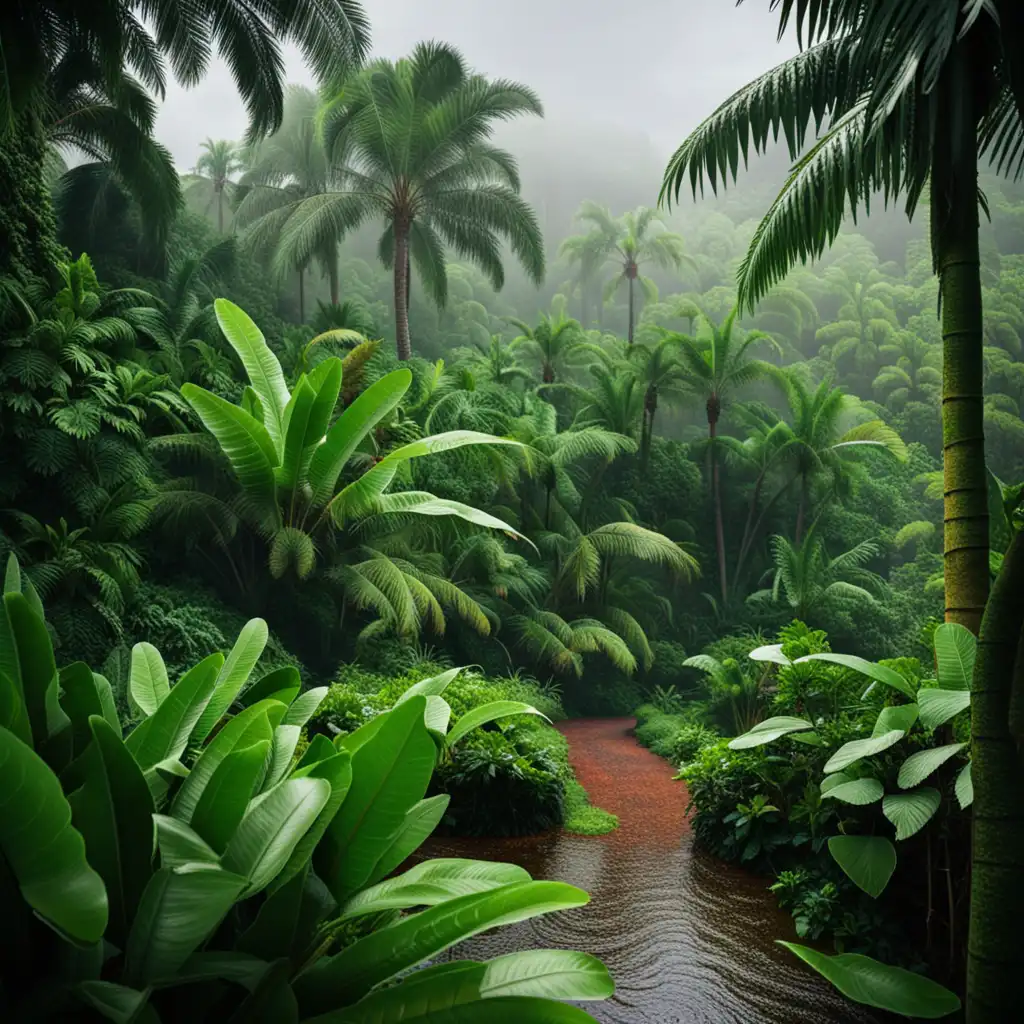
The usual weather conditions in a particular area or region.
The tropical climate is unbearably hot and humid.
climate
ˈklaɪmət
Cargando…
ˈklaɪmət
The usual weather conditions in a particular area or region.
The tropical climate is unbearably hot and humid.
ˈklaɪmət
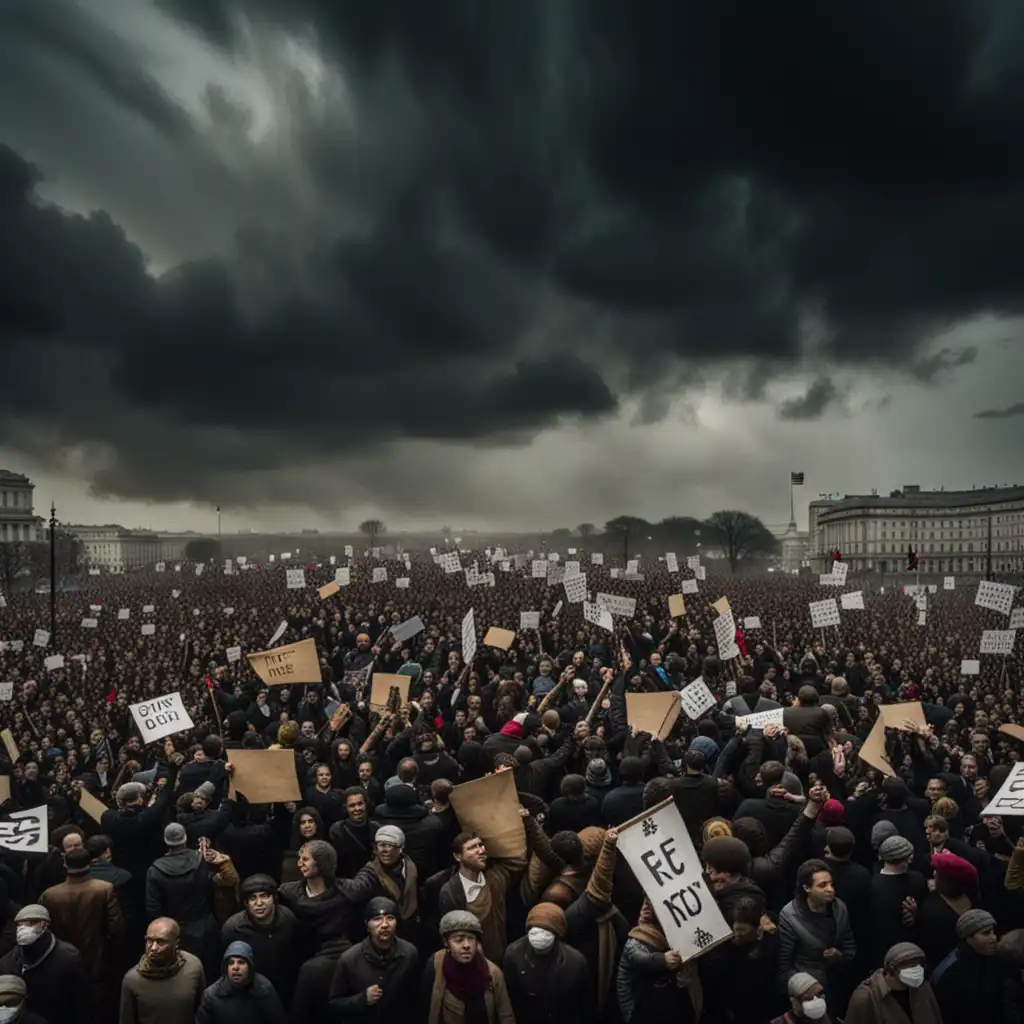
The general feeling or environment at a particular time.
The political climate was ripe for revolution.
No se pudo cargar el audio. Inténtalo de nuevo más tarde.
The word 'climate' refers to the typical weather conditions of a place. For example, some places have a warm and sunny climate, while others have a cold and snowy climate. It can also refer to the overall weather patterns of a region over a longer period of time, such as a decade or century. We use this word when we want to talk about the characteristics of weather in a certain location.
Atmosphere refers to the layer of gases surrounding the earth. It includes air, water vapor, and other substances. Climate refers to the long-term patterns in weather in a particular area.
While atmosphere is applicable to the physical layer surrounding the earth, climate is applicable to the weather patterns of a particular region.
The atmosphere affects climate by controlling the amount of gases, such as carbon dioxide and methane, which in turn effect temperature changes, while climate describes the overall atmospheric tendencies over a longer period of time.
Abrir palabra: Atmosphere →Climate refers to aspects like the long-term weather patterns, temperature, and rainfall of a particular area. It's applicable in describing the overall environmental conditions of a region, which can affect things like flora and fauna.
Condition is more generic and can refer to a variety of circumstances.
For example, the condition of a car could refer to its engine or body, while the condition of a person could refer to their health or mood.
Climate focuses on the long-term environmental factors affecting a region, while condition is a broader term that can describe a variety of circumstances.
Abrir palabra: Condition →Environment refers to the natural world around us, including all living and nonliving things. It includes things like plants, animals, air, water, and soil.
While the environment is a broader term that includes all aspects of the natural world, climate specifically deals with the long-term patterns of weather in a particular area.
For example, while the environment of a forest may include trees, animals, and water sources, the climate of that forest may be a consistently warm and rainy one.
Understanding both the environment and climate is important for understanding how different regions of the world function, and how they may be affected by human activities or climate change.
Abrir palabra: Environment →This includes factors such as temperature, precipitation, wind patterns, and humidity. Climate determines the types of ecosystems and habitats that can thrive in an area, as well as the overall weather patterns that people can expect.
Temperature is a measure of how hot or cold the air or water is at a specific moment in time.
Temperature can impact the behavior of living things and the way that they function, but it is just one part of the overall climate picture.
Both climate and temperature are important factors to consider when studying the environment and predicting how it will change over time.
However, climate is a broader and more long-term concept, while temperature is a more immediate and specific measure.
Abrir palabra: Temperature →Climate refers to long-term patterns of temperature, precipitation, and other weather-related factors in a geographic region.
Weather describes the current atmospheric conditions in a specific location at a specific time.
An easy way to remember the difference is to think of climate as the overall personality of a place and weather as its current mood.
For example, if you live in a desert climate, you can expect hot and dry weather in the summer and cool nights in the winter.
However, if it rains one day in the summer, that's just the weather for that particular day.
Weather can affect day-to-day activities like choosing whether or not to bring an umbrella or wear sunscreen.
Abrir palabra: Weather →that have decimated some indigenous fish populations. On a larger scale climate change is causing the waters to warm, thus reducing water levels and changing the distribution of aquatic life. Luckily in recent years governments have started to recognize the immense value of this natural resource.
Ver en YouTube ↗We seek peace, knowing that peace is the climate of freedom.
I have one climate crisis I don't really need the second one." But this is a crisis of not natural resources -- though I believe that's true -- but a crisis of human resources. I believe fundamentally, as many speakers have said during the past few days,
Ver en YouTube ↗Industrialised countries must take the responsibility of helping poorer countries in the climate change action plan.
and the need to take action has never been more urgent this year the world will gather in glasgow for the united nations climate change conference
Ver en YouTube ↗I've dedicated my life in public service to defeating climate change.
climate change is the most important security issue of the 21st century
Ver en YouTube ↗Clearly, climate change is an extremely important threat to us.
all one size fits all policies processes and tools the results is an epidemic that isn't getting nearly enough attention now over the next few days we're going to hear about some of humanity's most important and complex issues and whether your issue is climate
Ver en YouTube ↗The climate informs the character.
So that would represent a dramatic change of climate. So it's vitally important for scientists to predict the change in temperature with as much precision as possible so that society can plan for the future. The present range of uncertainty is simply too large
Ver en YouTube ↗I'm not afraid to talk about climate change.
their anti-drying technique, to survive other stresses. If we can understand how they and other creatures, stabilize their sensitive biological molecules, perhaps we could apply this knowledge to help us stabilize vaccines, or to develop stress-tolerant crops that can cope with Earth's changing climate.
Ver en YouTube ↗Climate change threatens the future of life on this planet.
roughly five times more than human or cow's milk, to help their young survive the harsh freezing climate. So how is milk made? In the uniquely mammalian process of lactation, a special class of milk-secreting cells known as mammocytes
Ver en YouTube ↗Climate change respects no borders.
Natural gas is non-renewable, and the short-run economic interests supporting fracking may fall short in the face of global climate change. Experts are still examining fracking's overarching effects.
Ver en YouTube ↗We need every person on Earth to acknowledge that climate change is real and encourage each other and our leaders to address the challenge.
and a climate perfect for year-long reproduction allows their populations to skyrocket. So why does this keep happening? Most of the world's ecosystems are the result of millennia of coevolution by organisms, adapting to their environment and each other
Ver en YouTube ↗Business leaders, social justice groups, farmers and ranchers, doctors and nurses and people from all walks of life are concerned about the climate threat.