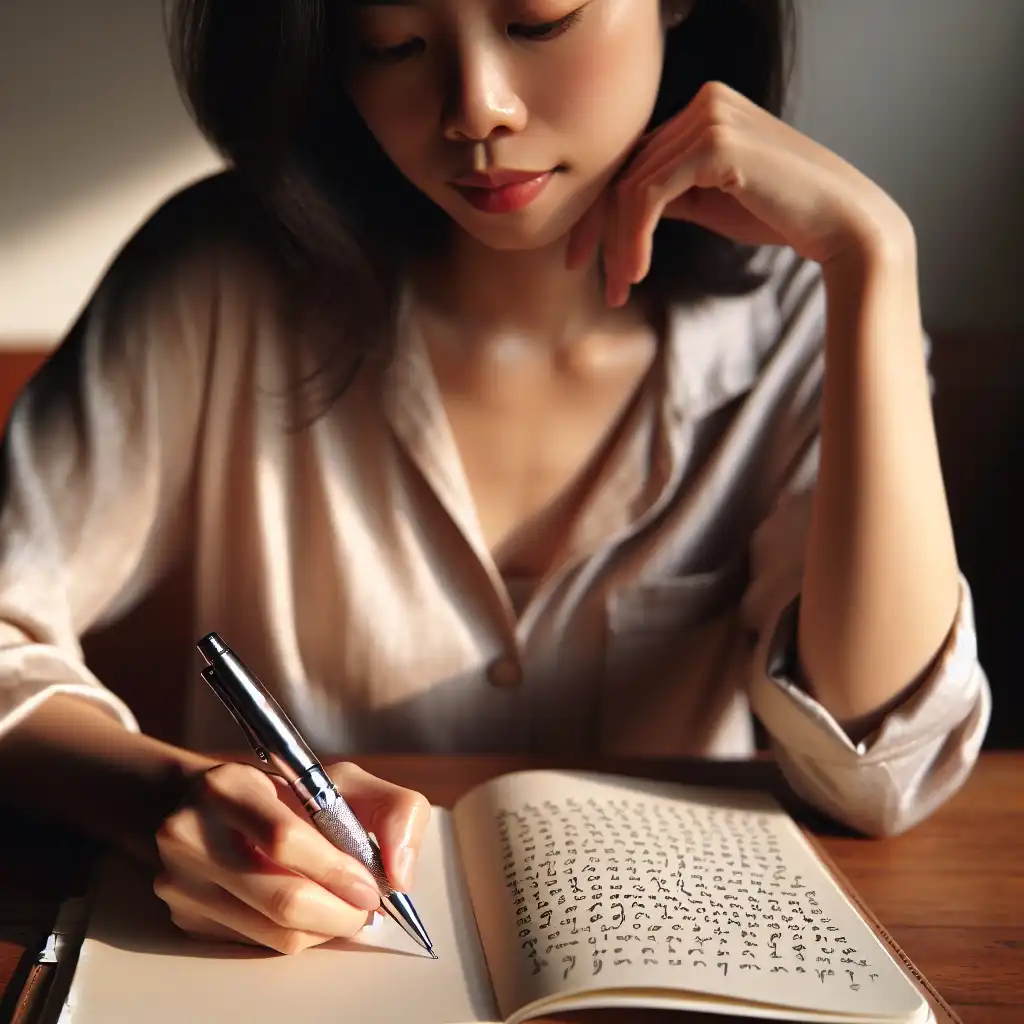
longhand
noun longhand
ˈlɔːŋhænd
The normal style of writing by hand, where every letter of a word is written separately.
I prefer to write my notes in longhand rather than typing them up on a computer.
longhand
ˈlɔːŋhænd
読み込み中…
ˈlɔːŋhænd
The normal style of writing by hand, where every letter of a word is written separately.
I prefer to write my notes in longhand rather than typing them up on a computer.
ˈlɔːŋhænd
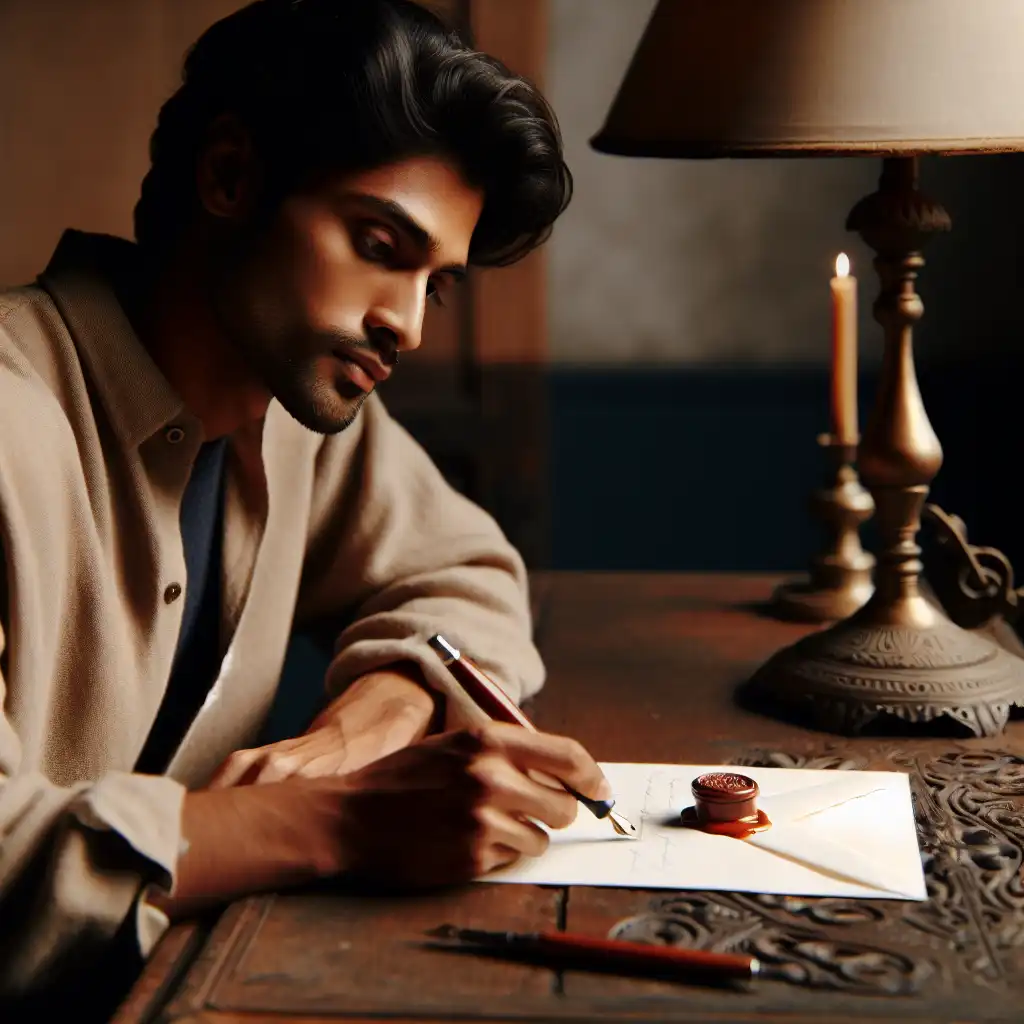
In the normal style of writing by hand, where every letter of a word is written separately.
She wrote the letter longhand, rather than typing it.
音声を読み込めませんでした。しばらくしてからもう一度お試しください。
The word 'longhand' refers to writing words by hand using complete sentences and traditional script, as opposed to shorthand or typing. Longhand is typically used in situations where typing or shorthand are not feasible or appropriate, such as taking notes in a class or meeting, signing a document, or writing a letter by hand. As an English learner, it is important to understand when and why longhand is used in order to effectively communicate in written English.
Cursive and longhand both refer to handwriting styles. Cursive refers to a style of handwriting where the letters are joined together in a flowing manner, while longhand simply refers to regular handwriting where the letters are separate.
Cursive can be useful for quickly writing in a smooth and connected manner, while longhand may be preferred for more formal writing such as essays or letter writing.
単語を開く: Cursive →Handwriting and longhand refer to writing using a pen or pencil instead of typing on a computer or device. Handwriting generally refers to the style and quality of writing, such as neat or messy handwriting, while longhand refers to the act of writing out words in complete sentences, paragraphs, and entire texts by hand.
Handwriting is applicable in situations like writing personal letters, signing documents, or taking quick notes, while longhand is commonly used for writing essays or stories, taking detailed notes, or keeping a journal or diary.
Both terms are often used interchangeably, but handwriting refers more to the physical appearance of the writing, while longhand refers to the actual act of writing.
単語を開く: Handwriting →Manuscript refers to a written or typed document that is intended to be published or otherwise shared with an audience.
単語を開く: Manuscript →Penmanship specifically refers to the quality or style of someone's handwriting.
Longhand refers to the act of writing by hand while penmanship refers to the quality or style of someone's handwriting.
単語を開く: Penmanship →Longhand and script both refer to methods of writing, but longhand usually means writing out words and sentences in full by hand, while script specifically refers to a specific style of handwriting that is cursive and often decorative.
Longhand is generally the term used for everyday writing, while script might be used in more formal or artistic contexts, like creating wedding invitations or calligraphy.
単語を開く: Script →I do not belong to this world. I continue to write everything in longhand. If I have to see something on the Internet, I ask my secretary or students. I am lucky, because I have people who do it for me.
I write non-fiction quicker, and I write it on a computer. Fiction I write longhand, and that helps make it clear that it comes from a slightly different part of the brain, I think.
The only protection as a historian is to institute a process of research and writing that minimizes the possibility of error. And that I have tried to do, aided by modern technology, which enables me, having long since moved beyond longhand, to use a computer for both organizing and taking notes.
I'm not aware of a cadence when writing, but I hear it after. I write in longhand, and that helps. You're closer to it, and you have to cross things out. You put a line through it, but it's still there. You might need it. When you erase a line on a computer, it's gone forever.
I've always preferred writing in longhand. I've always written first drafts in longhand.
I write in longhand on yellow legal pads.
I don't have any particular rituals, I sometimes like to write in longhand when I'm searching for ideas but I do the vast majority by typing, I can't always keep up with my thoughts longhand. I'm not a coffee shop writer because I feel obliged to order more coffee and then I end up over-caffeinated.
The first drafts of my novels have all been written in longhand, and then I type them up on my old electric. I have resisted getting a computer because I distrust the whole PC thing. I don't think a great book has yet been written on computer.
I write in longhand. I am accustomed to that proximity, that feel of writing. Then I sit down and type.
My first five novels were written longhand. So were hosts of short stories.