gradient
noun gradient
ˈɡreɪdiənt
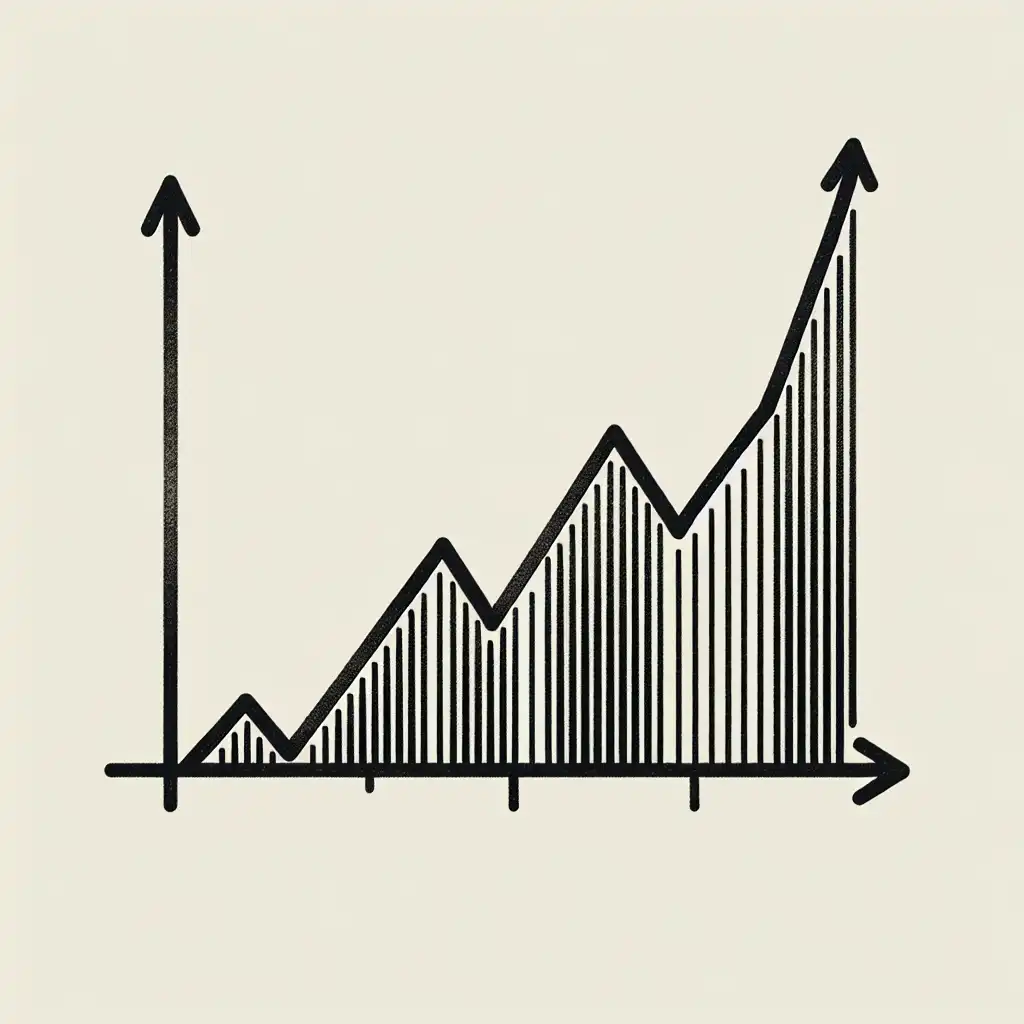
The degree of steepness of a graph at any point.
The gradient of this line is greater than that of the other.
gradient
ˈɡreɪdiənt
불러오는 중…
ˈɡreɪdiənt
The degree of steepness of a graph at any point.
The gradient of this line is greater than that of the other.
ˈɡreɪdiənt
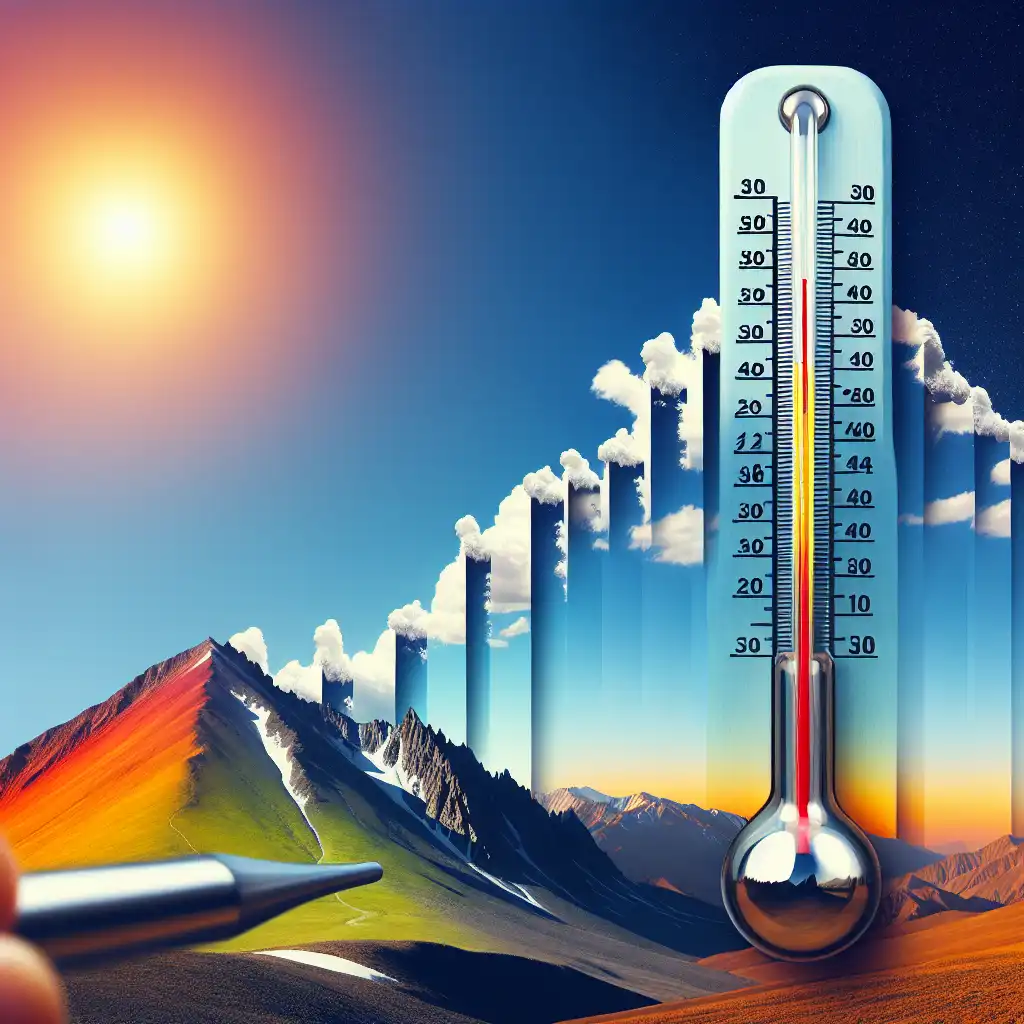
Rate of increase or decrease of a variable value.
The temperature gradient decreases as we go higher up in the atmosphere.
ˈɡreɪdiənt
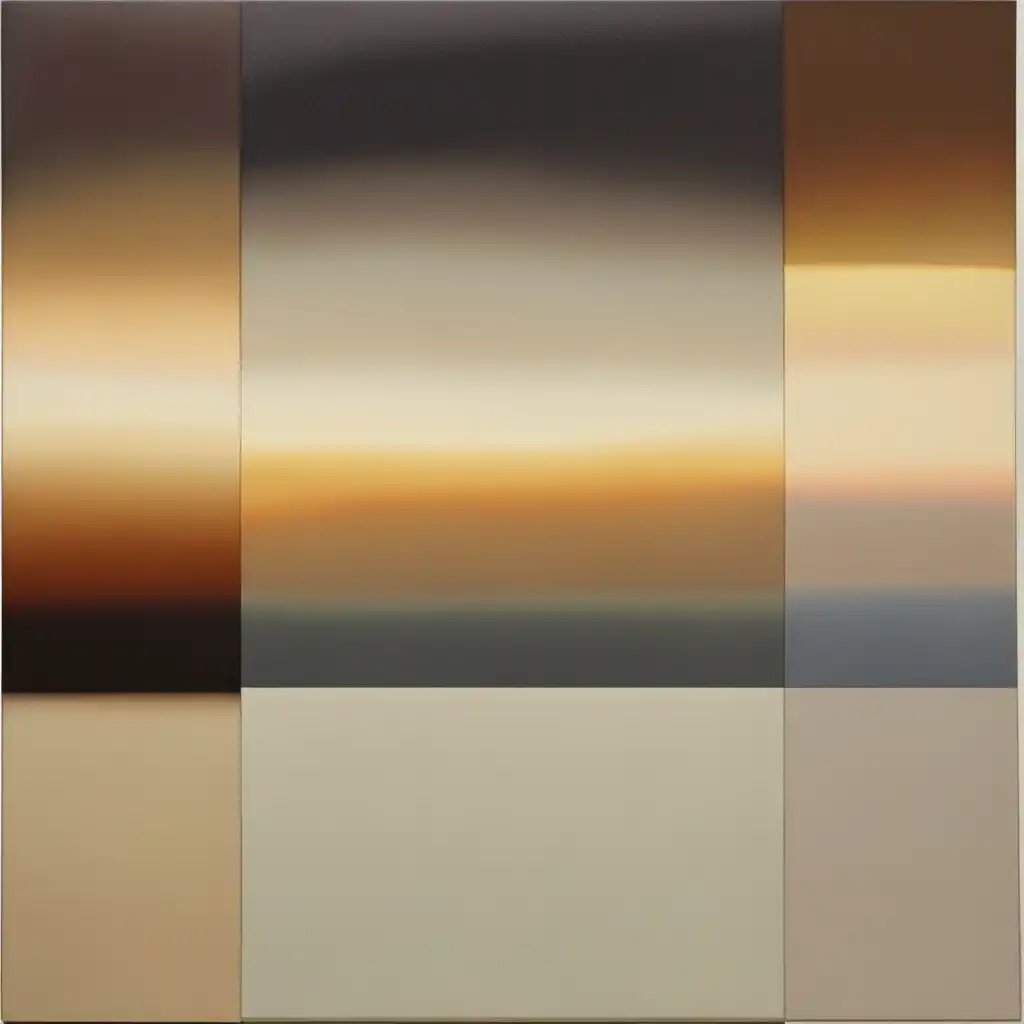
A gradual change of a quantity or quality.
There is a gradient of color from light to dark in this painting.

ˈɡreɪdiənt
A place where ground levels rise or fall.
There is a steep gradient to this part of the hill.
오디오를 불러오지 못했어요. 잠시 후 다시 시도해 주세요.
The word 'gradient' is often used to describe how something changes over distance or time. In science and math, it refers to the rate at which something changes, like the slope of a hill or the speed of a car. It can also be used in design and art to describe a smooth transition between different colors or shades. In everyday language, you might hear someone talk about the "gradient of a situation" or the "gradient of feelings," which means the amount or intensity of change.
Ascent refers to the action of climbing or going up, often used to describe a steep or difficult climb up a mountain or hill.
In simpler terms, ascent describes the act of going up, while gradient describes how steep the incline is. Ascent is applicable when describing a challenging climb or hike, while gradient can describe the slope of a road, hill, or other surface.
단어 열기: Ascent →Both gradation and gradient relate to the concept of a gradual change.
Gradation refers to the process of gradually changing something over time or space. For example, a color gradation is a gradual change in color from one hue to another.
Gradation refers to the gradual change itself, while gradient refers to the rate at which that change occurs.
단어 열기: Gradation →Grade and gradient are two terms used to measure the inclination of a surface or slope. The main difference between them is that grade is typically measured in percentages, while gradient is measured in units of rise over run (e.g.
Grade is often used in reference to roads and railways to indicate the incline of a slope. For example, a 5% grade means that for every 100 feet traveled horizontally, the elevation increases by 5 feet.
It's important to consider the grade when designing roads and railways, to ensure that they are safe and manageable for vehicles or trains to traverse.
Grade is a term used to measure the steepness of roads and railways, while gradient is a more general term used in mathematics and geology to measure the slope of any surface.
단어 열기: Grade →Gradient and incline both refer to the steepness of a slope, but they are used in different contexts. Gradient usually refers to a slope or incline in a field such as science or mathematics, while incline generally refers to a slope or incline in a more practical or physical sense, like a hill or ramp.
For example, a scientist might talk about the gradient of a curve on a graph to describe how steep it is in that particular section, while a hiker might talk about the incline of a trail to describe how steep it is and how difficult it will be to climb.
So, in short, gradient is used more academically to describe the slope or incline of a curve or function, while incline is used more in everyday life and describes the slope or incline of physical surfaces.
단어 열기: Incline →Gradient and pitch both refer to the slope or incline of a surface, but they are used in different contexts.
Pitch usually describes the angle of a roof or a musical note. In construction, the pitch of a roof is the angle of the slope, typically measured as the rise over the run.
For example, a roof with a rise of 8 feet and a run of 12 feet would have a pitch of 8/12, or 0.67. In music, pitch refers to the perceived highness or lowness of a sound, and is measured in hertz.
Gradient describes the slope of a surface in math and science, while pitch describes the angle of a roof or the musical note in music.
단어 열기: Pitch →Ramp refers to a flat surface that slopes upwards or downwards.
It is typically used to describe a structure that is used to connect two different levels at different heights, such as a wheelchair ramp or a car ramp.
So while both words describe slopes, gradient is used more broadly to describe the rate at which something changes over a distance, while ramp specifically refers to a structure that allows something to be moved vertically.
단어 열기: Ramp →Both gradient and slope are used to describe the steepness of a line or a surface.
Slope is used more commonly in geometry and engineering to describe the steepness of a line. The slope of a line is the ratio of the vertical change to the horizontal change between two points on the line.
It is expressed as a fraction or a percentage. For example, if a line rises 3 units for every 5 units it runs horizontally, the slope is 3/5 or 60%.
Gradient describes the rate of change of a variable over a distance, while slope describes the steepness of a line.
단어 열기: Slope →Gradient and tilt both refer to a change in slope or angle, but gradient specifically refers to the rate of change (usually of a color or shade), while tilt refers to a change in inclination or angle.
If you were to tip a water bottle to the side so that the water inside is no longer level, this would be a tilt. The tilt refers to the change in angle.
Gradient is used more in the context of changes in color, while tilt is used more in the context of changes in angle or position.
단어 열기: Tilt →Making waves: The power...
YouTube에서 보기 ↗We don't know why, but there are some gradients of infection.
This deep-sea mystery is...
YouTube에서 보기 ↗Low socioeconomic status carries with it an enormously increased risk of a broad range of diseases, and this gradient cannot be fully explained by factors such as health-care access.
Rodent Roommates %\PIPE%...
YouTube에서 보기 ↗A lot of our fiscal deficit went to fund consumption and really did not get used to build investment and infrastructure. The trouble is, you can get a spurt in GDP growth, which may not be sustainable. I would much rather build the gradient of a long-term marathon.
How do Catfish See the...
YouTube에서 보기 ↗Brexit is a cliff, not a gradient. The mistake we are in danger of making is to believe that some Brexits are better than others when the fundamental problem is Brexit itself.
How economic inequality...
YouTube에서 보기 ↗Because of its gradient, it is the site of many spectacular waterfalls, like the Unchalli Falls, near which, on a full moon night in winter, you might even glimpse a moonbow - a rainbow generated from the moonlight. This is the river Aghanashini - 'the cleanser of sins.
How I found a mythical...
YouTube에서 보기 ↗There are strong reasons for believing that space goes on beyond the limits of our observational horizon. There are strong reasons because if you look in opposite directions, conditions are the same to within one part in 100,000. So if we are part of some finite structure then, if the gradient is so shallow, it is likely to go on much further.
The mysterious origins...
YouTube에서 보기 ↗Michael Levin: The...
YouTube에서 보기 ↗Nina Jablonski breaks...
YouTube에서 보기 ↗Svante Pääbo: DNA clues...
YouTube에서 보기 ↗