clack
noun clack
klæk
A sharp, loud sound something makes when it hits together
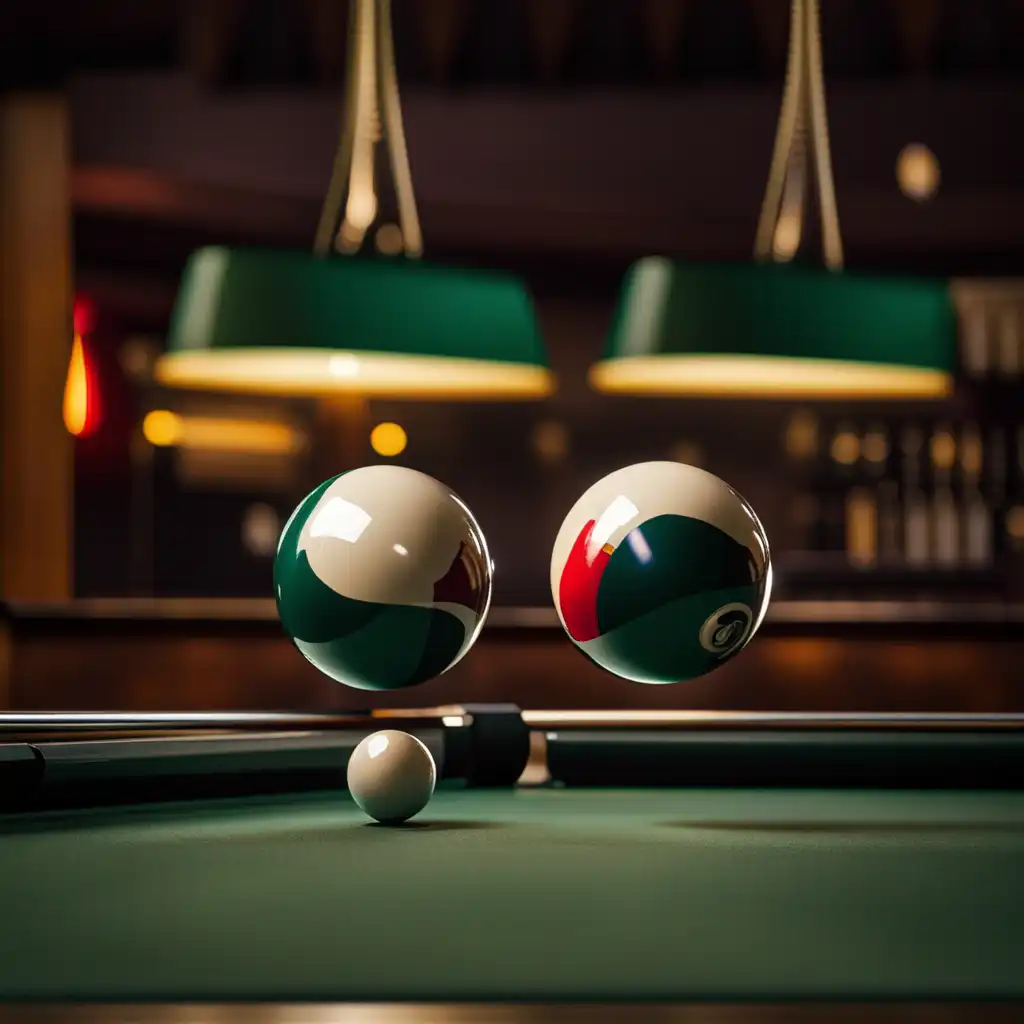
The clack of billiard balls could be heard in the pub
clack
klæk
Loading…
klæk
A sharp, loud sound something makes when it hits together
The clack of billiard balls could be heard in the pub

klæk
To make or cause something to make a sharp, loud sound
His shoes clacked against the marble floor

klæk
A device that makes a loud sound as a signal or warning
The factory installed a clack to alert workers when a shift is over
klæk
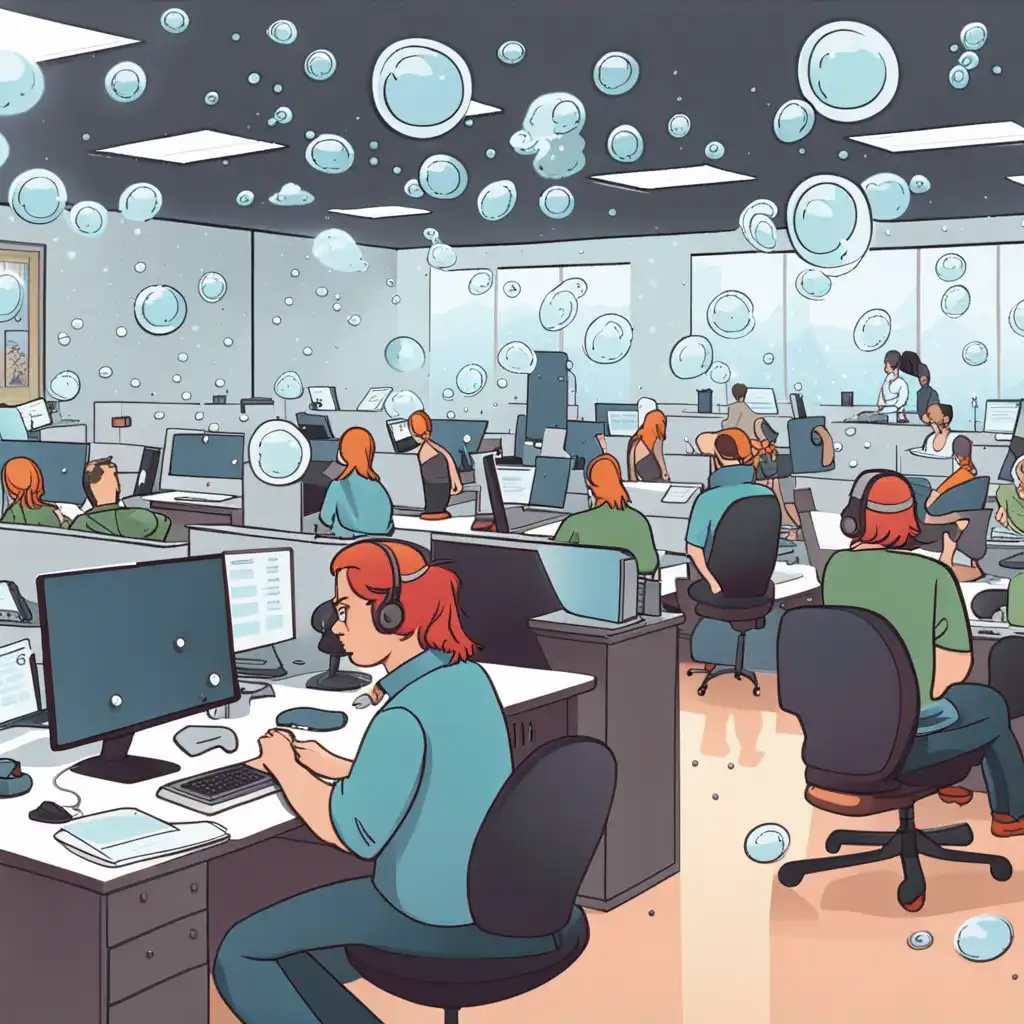
An incessant chatter
Susan found the constant clack in the office distracting
Audio could not be loaded. Please try again later.
The word 'clack' means to make a sharp, repetitive sound, like the sound of two hard objects hitting each other. You can use this word to describe the sound of a train on the tracks, the sound of high heels on a hard floor, or the sound of a typewriter as the keys are pressed down. It can also be used to describe someone talking quickly and loudly, making a lot of noise with their words.
Babble describes continuous and meaningless chatter or speech, often in an unorganized manner. It is applicable when referring to someone who is talking incoherently or just making random sounds without any clear meaning.
Babble is used to refer to meaningless or unintelligible speech, while clack describes a sharp, repetitive sound made by hard objects colliding.
Open word: Babble →Babel and clack are both words that describe noise, but they are used in different contexts.
Babel refers to a confused and noisy situation where many people are talking at once in different languages, making it difficult to understand each other.
This term comes from the biblical story of the Tower of Babel, where God confused the languages of people. For example, a crowded and noisy market where people are speaking different languages might be described as a 'Babel of voices'.
Babel describes a confused and noisy situation with many voices, while clack describes a sharp sound produced by objects hitting each other.
Open word: Babel →Chatter refers to a rapid, continuous sound made by speaking quickly or by teeth chattering.
Chatter describes continuous, rapid sounds, while clack describes sharp, repetitive sounds.
Open word: Chatter →Clatter, on the other hand, refers to a continuous and noisy sound made by a group of hard objects moving or hitting each other.
Clack refers to a sharp and repeated sound, while clatter refers to a continuous and noisy sound produced by hard objects striking or moving against each other.
Open word: Clatter →Click typically refers to the sound made by pressing a button or switch, like the sound a computer mouse makes when you click it.
Click is used for smaller, lighter sounds, while clack is used for louder, more forceful sounds.
Open word: Click →Jabber refers to a rapid and unintelligible chatter, often made by human voices.
It usually describes people talking too much or too quickly, without making much sense. Examples of jabbering include someone who talks for hours without pausing or one who speaks too fast for others to comprehend what they are saying.
Clack is used to refer to hard and distinct sounds while jabber describes rapid and unintelligible chatter.
Open word: Jabber →Prattle often implies a more light-hearted and childish or meaningless way of speaking, like babbling or talking incessantly about unimportant things.
Clack is more commonly used in situations where there is noise or intensity, while prattle describes chatter that is more playful, relaxed or less important.
Open word: Prattle →Rattle refers to a series of sharp, irregular sounds that suggest something is loosely shaking or moving.
Clack is used for sharp repeated sounds, while rattle is used for sharp irregular sounds that suggest something is shaking or moving.
Open word: Rattle →Imagine an engine going clack clack clack. It sounds scary. Well I had a unique seat that day. I was sitting in 1D. I was the only one who could talk to the flight attendants. So I looked at them right away, and they said "No problem. We probably hit some birds."
Watch on YouTube ↗