crusty
adjective crusty
ˈkrʌsti
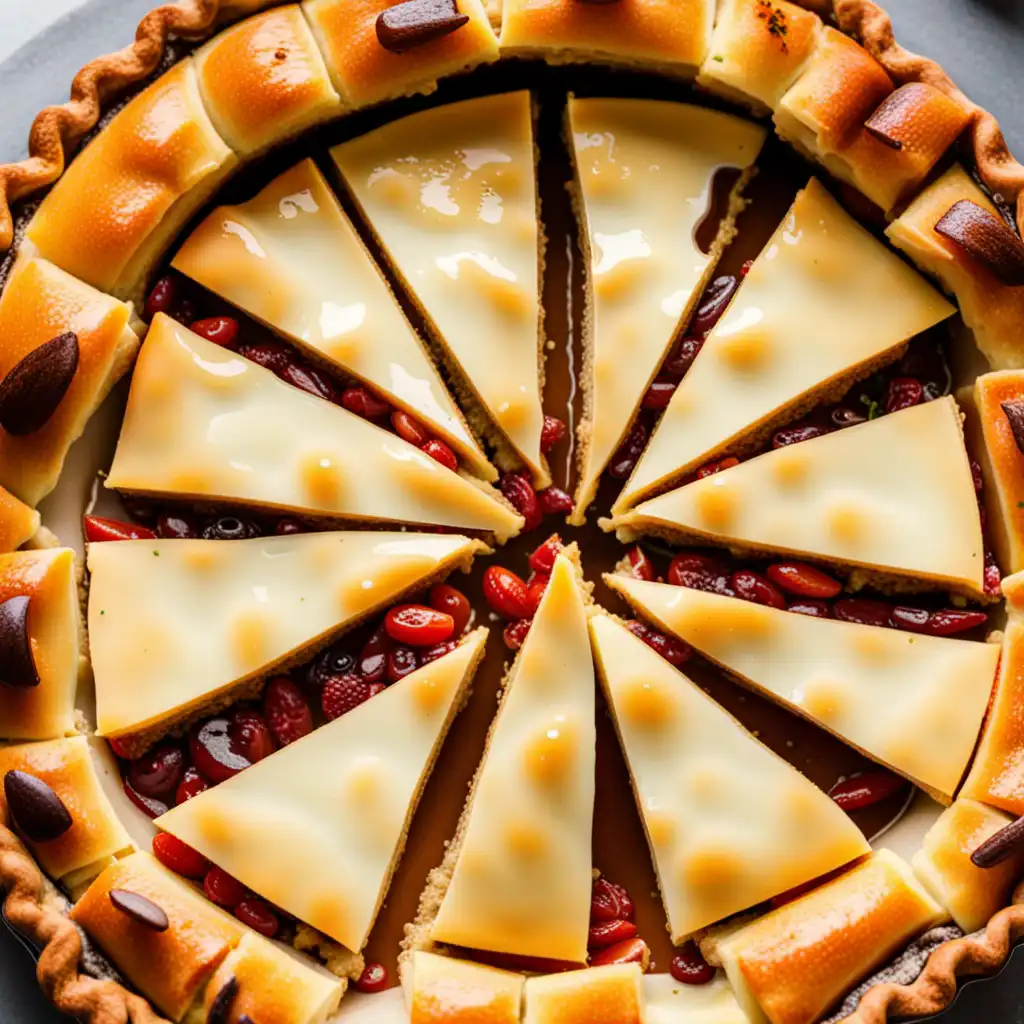
Having a hard outer layer or covering
The pie has a crispy, crusty top.
crusty
ˈkrʌsti
Cargando…
ˈkrʌsti
Having a hard outer layer or covering
The pie has a crispy, crusty top.

ˈkrʌsti
Being grumpy or unfriendly
The old man is often crusty and rude.

ˈkrʌsti
Relating to the genre of punk that is hardcore and raw
He listens to crusty punk music.
ˈkrʌsti
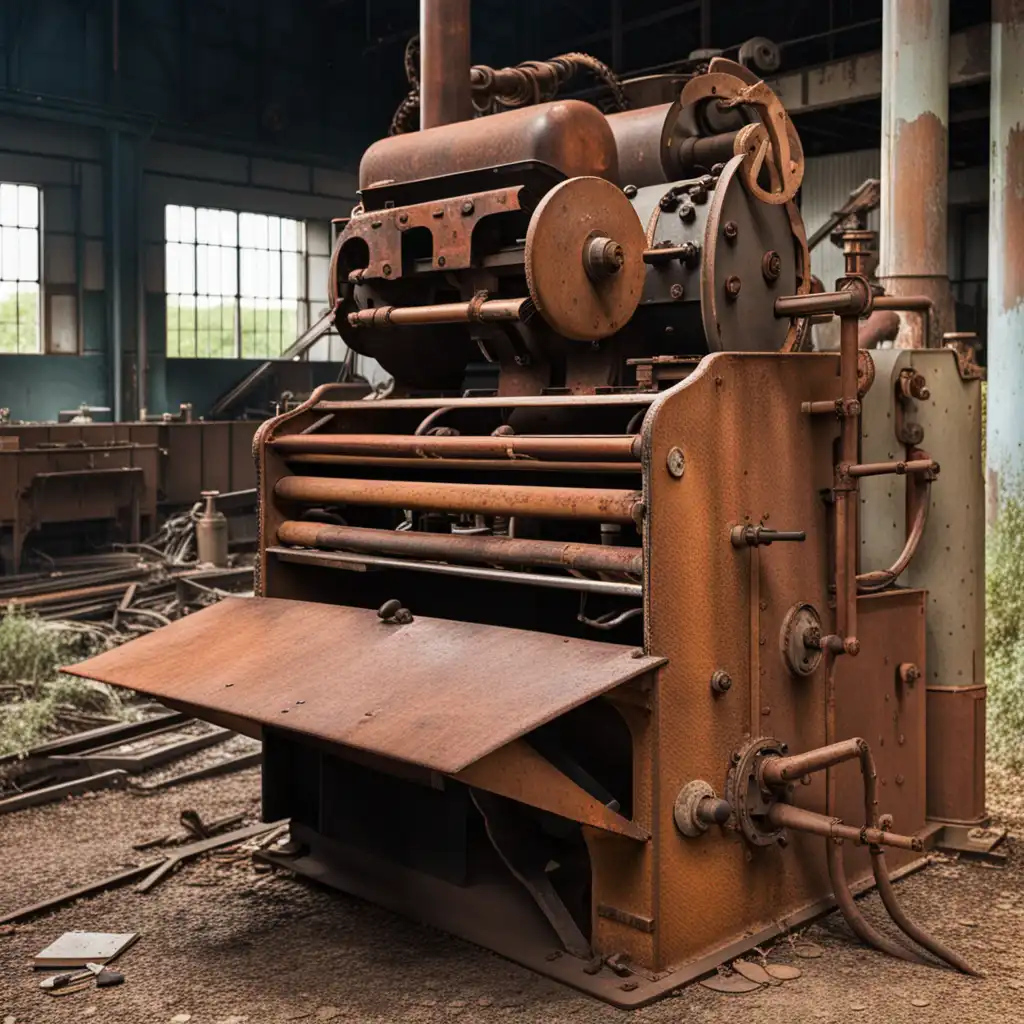
Covered with a crust or hard coating because of age or lack of care
The crusty, old machinery hasn't been used for years.
No se pudo cargar el audio. Inténtalo de nuevo más tarde.
The word 'crusty' is often used to describe something that has a hard outer layer or rough texture. For example, a loaf of bread can be crusty if the outside is tough and the inside is soft. It can also be used to describe someone's personality if they are grumpy or irritable. For example, an old man might be described as "crusty" if he doesn't like to talk to people and is easily annoyed. Overall, 'crusty' is used to describe something hard or rough on the outside, or someone who is grumpy or easily annoyed.
Coarse generally refers to something that has a rough and uneven texture or surface. For example, sandpaper is coarse, and when you touch it, it feels rough to the touch.
Coarse describes a rough texture or rude behavior, while crusty describes a hard outer layer or an irritable personality.
Abrir palabra: Coarse →Crumbly refers to something that falls apart easily into small pieces, like a cookie or a dry piece of cake.
If you can easily break something into small pieces with your fingers, it's crumbly. If you have to use force to break through a hard outer layer, it's crusty.
Both words are applicable to food, but crumbly describes something that is dry and delicate, while crusty describes something that is hard and firm.
Abrir palabra: Crumbly →Dry describes something that lacks moisture or moisture content.
So, for example, a piece of bread that is hard and rough on the outside would be described as crusty, while a desert that lacks moisture would be described as dry.
Abrir palabra: Dry →Flaky refers to a layered texture that is delicate and tender.
It usually describes pastry or baked goods that are thin, crispy, and fall apart easily. Crusty applies to foods that are hard and dry, while flaky describes foods that are tender and crispy.
Abrir palabra: Flaky →Crusty refers to a surface that has formed a layer of dry, hard material on top. This layer can be flaky, rough or uneven, and is often formed by the drying of liquid substances such as food, paint, or mud.
Hard refers to a texture or consistency that is firm and solid.
Hard can also mean difficult, tough, or unyielding.
Crusty refers to a specific texture or quality of a surface, while hard refers to the general level of firmness or strength of an object or substance.
Abrir palabra: Hard →Crusty refers to a rough and hard outer layer that forms on something, typically as a result of exposure to air or heat.
This word is often applied to food items such as bread, where the outer layer becomes crispy and hard. Rough refers to a surface that is uneven, bumpy or not smooth.
It can be applied to anything that has an irregular texture, such as a rough rock or the surface of a piece of wood.
The main difference between these two words is that crusty describes something that has a hard layer on top while rough describes something that has an uneven surface.
Abrir palabra: Rough →Scaly describes something that has scales, like a fish or a reptile.
To summarize, crusty describes something with a hard and dry exterior that is rough and flaky, while scaly describes something with scales that is smooth but has a rough texture.
Abrir palabra: Scaly →Tough usually refers to something that is difficult to break, like a piece of leather or a steak that is cooked well-done.
Crusty is more about texture while tough is about strength or resilience. Both words could apply to certain foods, but crusty is also used more widely to describe things like a "crusty old man" while tough might be more appropriate for describing an athlete who fought through a difficult injury.
Abrir palabra: Tough →and they don't stay in this helmet mounds for life crusty ones do you want to know that I really related to rodents I don't think so that they're related to
Ver en YouTube ↗Anybody who wears their feelings on their sleeve and has a harder, crusty shell - like I do - is definitely protecting an inner sensitivity.
We finished everything on the spacewalk and when we came back inside, Jeff got some cotton batting and took the crusty stuff around my eyes, and it turned out it was just the anti-fog, sort of a mixture of oil and soap that got in my eye. And now we use Johnson's No More Tears,
Ver en YouTube ↗I pride myself on my personilty and not my looks because one day, I will be old and crusty with a moustache, and someone is going to love me for my personality and not looks. So whoever is going to marry me is going to laugh till he dies.
When I put magic into a book - whether it's a wizard or a crusty old werewolf - I'm asking a reader to swallow a huge leap that is counter to everything he or she knows. An extra big helping of reality makes that leap go down a lot easier.
Ain't nobody got time for crusty lips.
My mother and I, our favorite part of any baked pasta is the top, where the cheese gets crusty.
We didn't want to sound like an old and crusty financial institution. We wanted to sound like we were fast moving and that we had this killer technology that was also safe.
You have to have Aquaphor, because you don't want a crusty, dry mouth, and this, in my opinion, is the best. It wears well, it's a great base for any type of lip gloss, lipstick, anything like that.
The simplest fix for better grilling is to line the inside of your barbecue with tin foil. It dramatically affects how evenly the heat is distributed. That crusty black hibachi or Weber grill is doing your food no favors.
When it comes to culture, I'm sort of like Nostradamus if he'd been a handsome, witty minor celebrity with a great head of hair instead of a crusty old dude from the olden days.
As the civil rights struggle progressed, Americans responded to the justice of the cause, shedding layers of the crusty armor that shielded the white majority from contact with its large black minority. There are layers left. It feels so much better to be on good terms with one another.