ऑडियो लोड नहीं हो सका। कृपया बाद में फिर कोशिश करें।
उपयोग कैसे करें
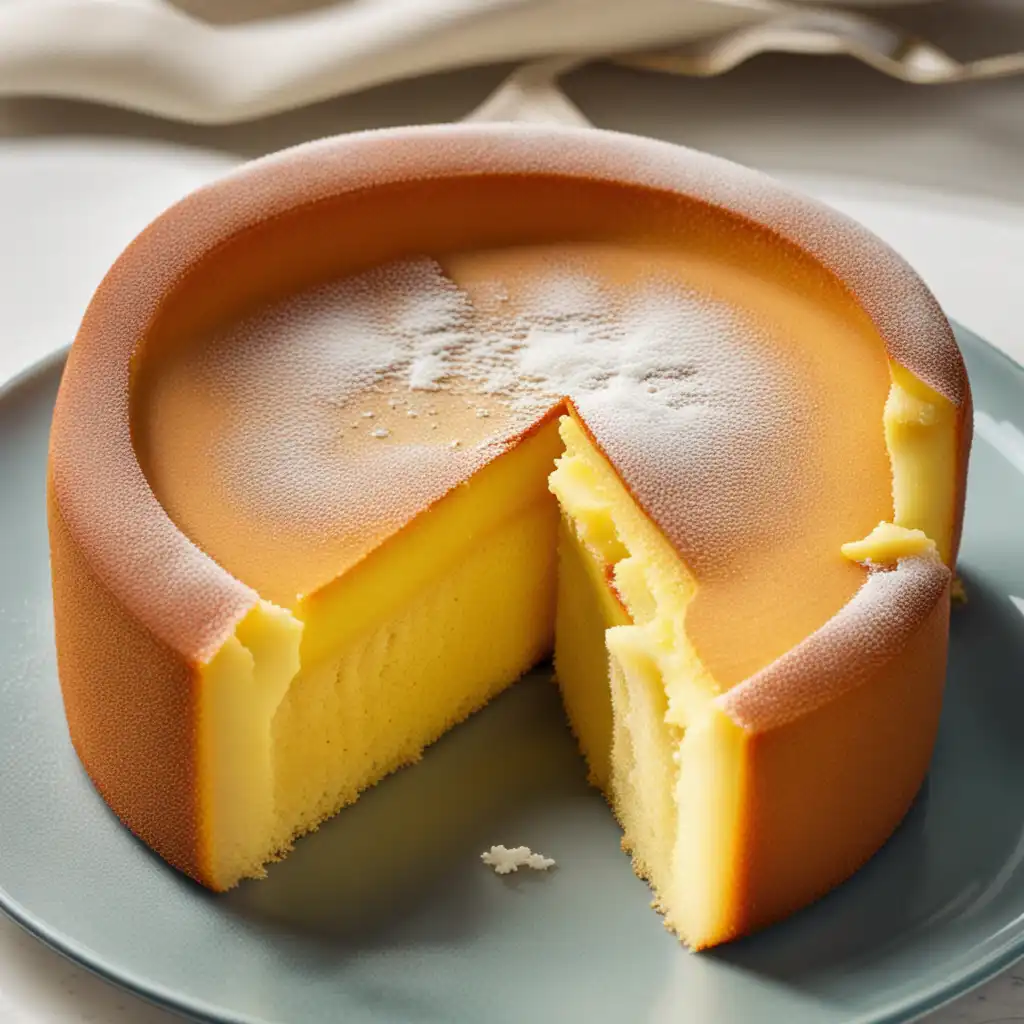
Sponginess is the quality of being soft and springy, like a sponge. It can be used to describe things like the textures of food, the feel of a cushion or a mattress, or the state of a wet sponge. You might also use it to describe the feel of a surface such as a sports field or track. It is a useful word when describing the physical properties of something that is soft but has some resistance or bounce.
Elasticity refers to the ability of a material to stretch and then return to its original shape when the stretching force is removed.
For example, a rubber band has high elasticity because it can be stretched very far and then bounce back to its original shape.
Elasticity is important in materials that need to withstand repeated stretching or bending without breaking, like athletic clothing or the tires on a car.
So, in short, elasticity is about stretching and returning to shape, while sponginess is about compressing and bouncing back.
Flexibility refers to the ability of something to bend or stretch without breaking. It is applicable to things like rubber bands, gymnasts or materials that need to withstand different forces, and often refers to something's ability to adapt to different situations.
Flexibility is about bending without breaking, while sponginess is about compressing to absorb impact or pressure.
Resilience and sponginess are words used to describe how solid or flexible something is. Resilience refers to the ability of an object or material to bounce back or recover its original shape after being pressed or stretched.
Resilience is the ability to recover from deformation, while sponginess is the degree of softness of an object.
Soft generally refers to a surface or material that yields easily to pressure or force. For example, a fluffy pillow is soft because it will easily compress when you lay your head on it.
So, in general, soft describes something that is easily compressed or yielding, while sponginess describes something that is springy and absorbent.