wicket
noun wicket
ˈwɪkɪt
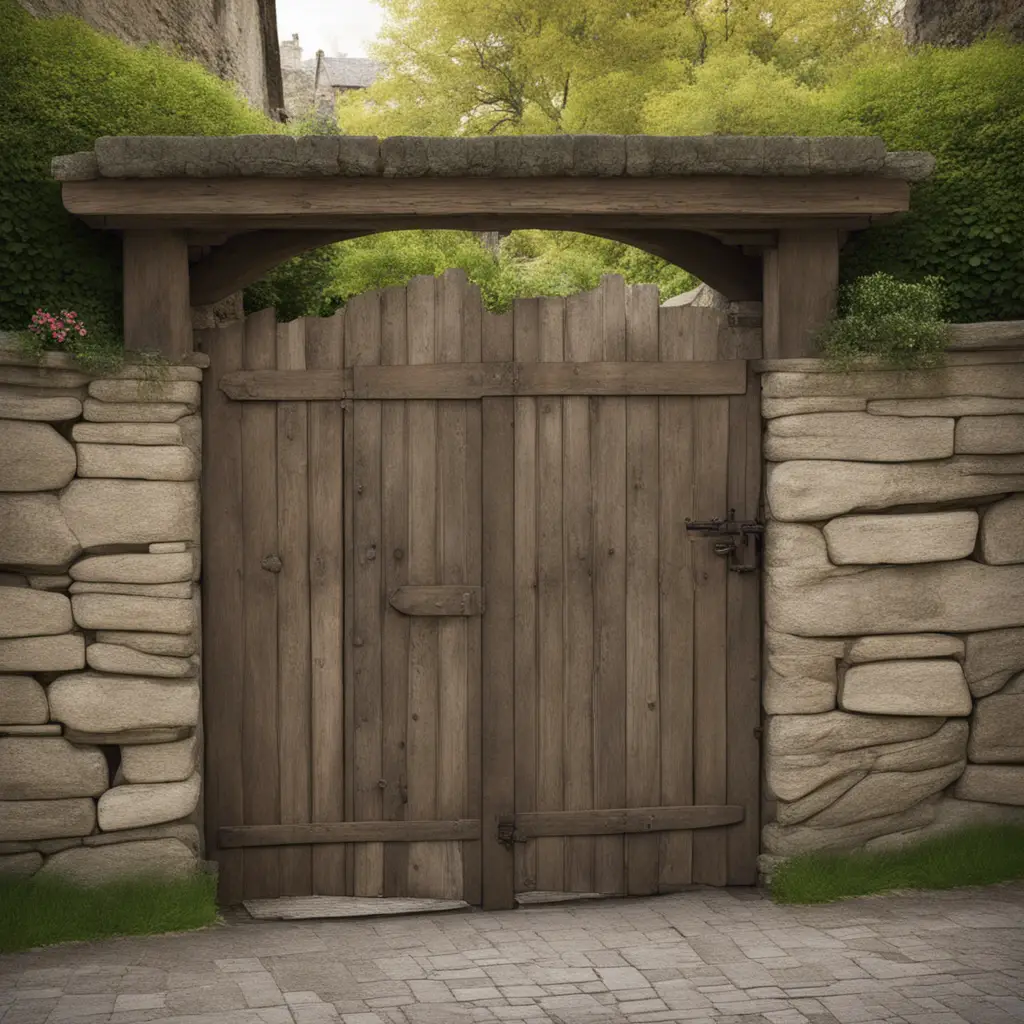
A small door or gate, especially one built into or next to a larger one.
He stepped through a little wicket in the massive gate.
wicket
ˈwɪkɪt
불러오는 중…
ˈwɪkɪt
A small door or gate, especially one built into or next to a larger one.
He stepped through a little wicket in the massive gate.
ˈwɪkɪt
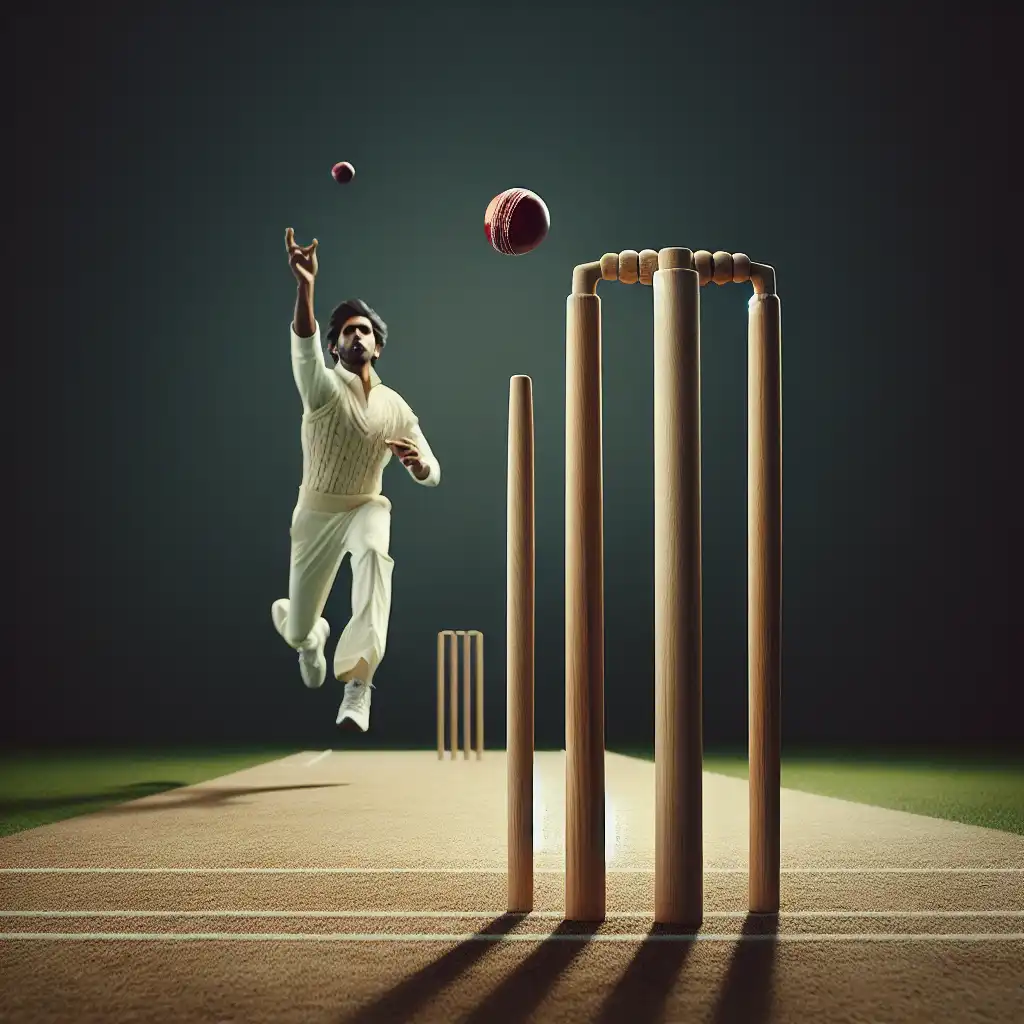
One of the two sets of three stumps and two bails at either end of a cricket pitch.
The bowler knocked his wicket over.

ˈwɪkɪt
The dismissal of a batsman in the game of cricket.
The bowler got his first wicket in his third over.
ˈwɪkɪt
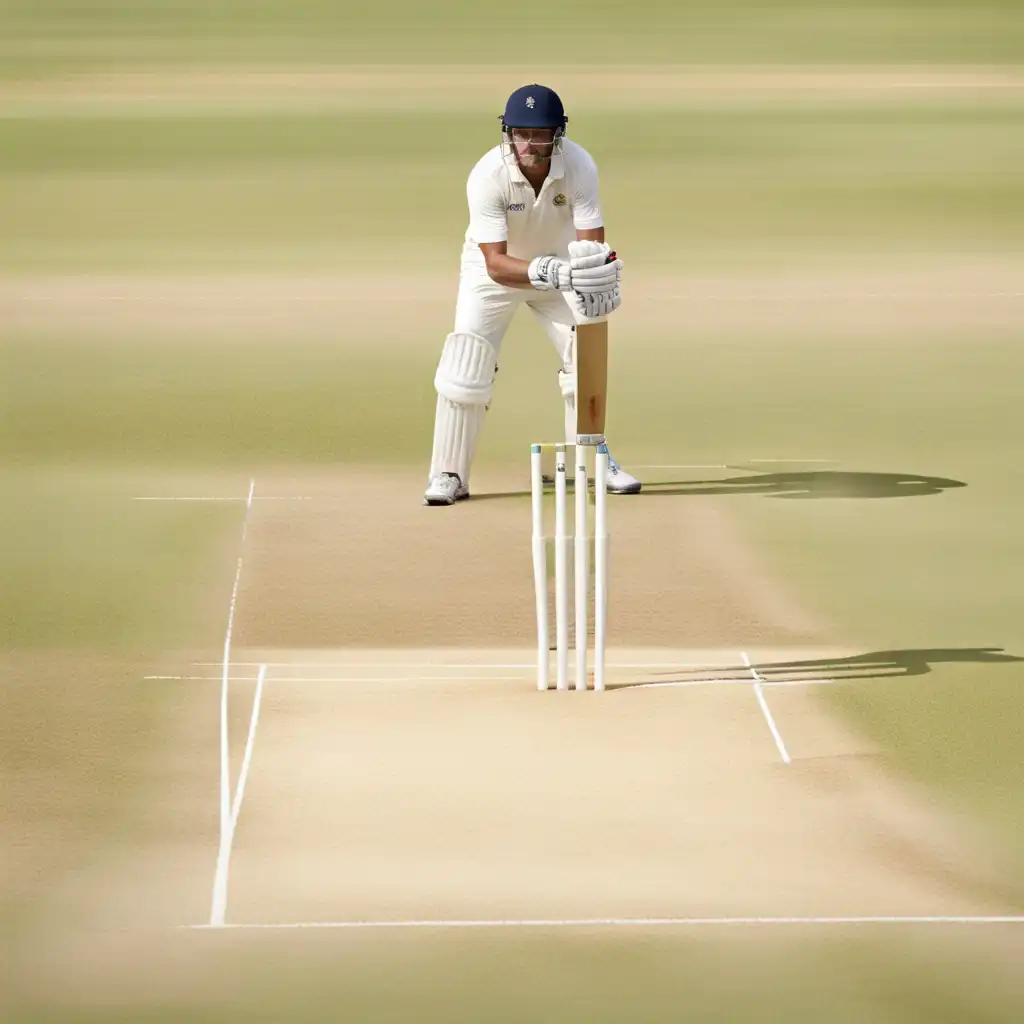
The piece of ground between the two sets of three sticks where the batsman stands in cricket.
The wicket was smooth and well-rolled.
오디오를 불러오지 못했어요. 잠시 후 다시 시도해 주세요.
In the game of cricket, a wicket refers to three vertical sticks that are placed on the ground with two little sticks resting on top of them. The fielding team tries to hit the little sticks off the top of the wicket with the ball, while the batting team tries to protect them. If a fielder hits the wicket and the little sticks fall off, the batter is out. Therefore, the word 'wicket' is commonly used in cricket to refer to both the set of sticks and the act of a fielder knocking down the little sticks. Outside of cricket, the word 'wicket' can also refer to a small gate or entrance.
A barrier is a physical obstruction, such as a fence or wall that prevents passage or access. It usually refers to something solid that blocks the way.
For example, a barrier can be used to stop a car from entering a certain area.
A barrier is a bigger and more solid obstruction designed to block the way entirely, whereas a wicket is a smaller doorway that lets people or things through while still providing some obstruction.
단어 열기: Barrier →A boundary is a physical line or limit that separates one area from another. It is commonly used in sports like cricket and soccer to define the playing area.
When a ball is hit beyond the boundary, it is considered to be out of play and is awarded either four or six runs in cricket, or a goal in soccer.
A boundary marks the limit of the playing area, while a wicket is a structure used to dismiss batters in cricket.
단어 열기: Boundary →A door is a larger opening in a wall that allows a person to enter or exit a room or building. It usually swings on hinges and can be closed for privacy or security.
Doors can be made of various materials such as wood, metal, or glass.
A wicket is a smaller opening or gate within a larger door or fence.
It is often used for pedestrian access and is usually smaller than a regular door. It may also have a closing mechanism such as a latch or bolt, but it doesn't typically swing on hinges.
To summarize: doors are larger, swing on hinges, and are used for a building's main entry or exit point, while wickets are smaller, often have a latch or bolt, and are used for pedestrian access within a larger door or fence.
단어 열기: Door →Entrance refers to the main point where someone enters a building, a park, or a specific area. For example, "the entrance to the mall is on the left side.".
It is usually located within the entrance area of a larger gate. For example, "the security guard only allowed us to pass through the wicket gate after checking our IDs.".
Entrance is commonly used to indicate the main way to enter a location while wicket is used to indicate a smaller or more secured gate within the entrance area.
단어 열기: Entrance →Gate typically refers to a large and wide opening, like a swing gate leading to a driveway or entrance.
A wicket is a small gate or door within a larger gate or fence. It is narrow and usually meant for pedestrians to pass through.
For example, a cricket wicket is a small gate-like structure that the bowler bowls through.
Gate is used for larger openings while wicket is used for smaller ones.
단어 열기: Gate →A hurdle is an obstacle in the form of a frame made of bars or wood, laid over a fence or a wall, that a person or animal jumps over in a race or in training.
Hurdles are used for athletic competitions, such as track and field, where athletes race over a series of hurdles.
단어 열기: Hurdle →Obstruction refers to something that blocks or hinders something else or someone's progress.
For example, a teacher who intentionally delays a student's progress could be considered an obstruction.
Obstruction is a term used to describe something that hinders or blocks movement or progress, while a wicket is a small gate or marked area used in sports such as cricket or croquet.
단어 열기: Obstruction →A portal refers to a large entrance or gateway that leads to a building or structure, while a wicket refers to a small door or gate within a larger portal or fence.
For example, a castle may have a grand portal that leads to the courtyard, while within that portal there may be smaller wickets that lead to different parts of the castle.
Similarly, a cricket field may have a large portal for the players to enter, but there may be smaller wickets for the bowler and batsman to move through.
In short, portals are bigger entrances and wickets are smaller entrances within those larger portals.
단어 열기: Portal →you all that he bettered for the longest which might have some element of truth to it but he definitely didn't he didn't have my number as he said there was no psychological advantage and he's going to bleat about LBW which is called leg before wicket and how he got me out but that's not really going to be I apply
YouTube에서 보기 ↗The wickets in England are very helpful to me.
And in the astronaut business we have a saying which is, there is no problem so bad that you can't make it worse. And so you're very conscious in the cockpit; you're thinking about all of the things that you might have to do, all the switches and all the wickets you have to go through.
YouTube에서 보기 ↗It's important on any English wicket to leave well.
As long as the body feels OK, I'm enjoying playing, helping the team improve and taking wickets, I'll keep going.
Dot balls help build pressure, so even if you are not getting wickets, somebody from the other end is getting wickets, and the job is done.
It is not about being the greatest team in the world ever, it is about fighting for every run and wicket.
If you are playing on a turning wicket, toss plays an important role. The team that wins the toss gets an opportunity to play on the fresh wicket. You should always prepare the wicket as per team's strength. But a rank turner might backfire.
It's difficult when you're not getting any help from the wicket on day one.
Shot selection is very important because you don't want to lose wickets at the start and put pressure on the rest of the side.
It depends on who's bowling, how is the wicket playing, how I gonna score and stuff like that or how people are trying to get me out, probably that determines how open I am or otherwise how closed I am.
When I glare, I don't see it as aggression. I have just got such passion to get wickets. I don't ever say anything, I just have a look and see if I can get their mind concentrating on other things and get them outside their bubble. I like to get them switched on, have a look and get in a bit of a battle.