subsidy
noun subsidy
ˈsʌbsədi
Money given by a government or organization to support an activity or lower the price of something.
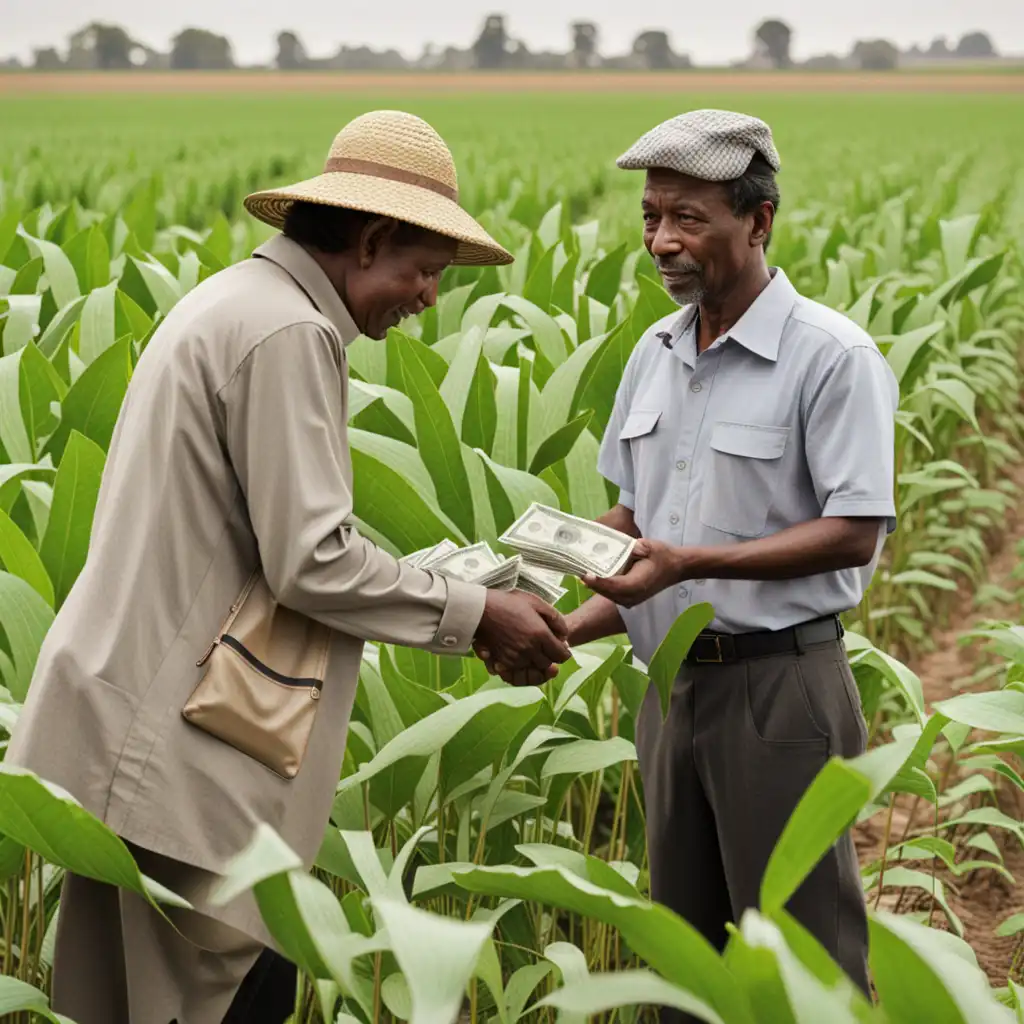
Farmers receive a subsidy to compensate for the low prices of crop.
subsidy
ˈsʌbsədi
読み込み中…
ˈsʌbsədi
Money given by a government or organization to support an activity or lower the price of something.
Farmers receive a subsidy to compensate for the low prices of crop.

ˈsʌbsədi
A sum of money given to reduce the cost of producing goods, so they can be sold at a lower price.
The government granted a subsidy to the steel industry to prevent job losses.
音声を読み込めませんでした。しばらくしてからもう一度お試しください。
A subsidy is a financial help or support provided by the government or other organizations to help people or businesses. It is like a gift of money or a discount that is provided to help make something more affordable. For example, the government may provide a subsidy on education to help students pay for college, or a farmer may receive a subsidy to help with the cost of growing crops. Subsidies are used to support and encourage certain activities that are considered important for the economy, society, or the environment.
Aid refers to help or assistance given to someone in need, while subsidy is a sum of money given by the government to support a particular industry or group.
Aid is generally given to people who are struggling financially or in a crisis, such as earthquake victims, refugees, or those affected by a natural disaster.
On the other hand, subsidies are given to companies, farmers, or industries to promote their growth and development. In simpler terms, aid is given to individuals, and subsidies are given to groups or organizations.
単語を開く: Aid →Allowance is usually used to refer to money given regularly to someone, often a child, by their parents or guardian, to cover their personal expenses.
For example, parents may give their child a weekly allowance for things like buying snacks, entertainment, or other expenses.
An allowance is money given regularly to cover personal expenses while a subsidy is financial assistance given by a higher authority to support a certain activity or industry.
単語を開く: Allowance →A contribution is when someone gives or donates something, usually money or time, to support a cause or project. It is voluntary and comes from a sense of wanting to help or make a difference.
An example of contribution could be donating money to a charity or volunteering at a local organization.
A contribution relies on individual choices and desire to help, while a subsidy is a form of financial assistance provided by an organization to support a specific group or industry.
単語を開く: Contribution →A donation is something given voluntarily to help someone or something, usually for a charitable cause.
In simpler terms, a donation is a gift given to help others without receiving any benefit in return.
Donations are usually applicable in charitable organizations or causes, such as giving money to feed the poor, donating to cancer research, etc.
In summary, while both donations and subsidies are forms of financial assistance, they are different in their purposes, sources, and recipients.
単語を開く: Donation →A grant is a specific amount of money provided by an organization, government or foundation to a person, organization or corporation to support a specific project or initiative.
A grant is usually given with no expectation of repayment.
To summarize, grants are generally given to support specific projects or individuals, while subsidies are given to support businesses or industries.
単語を開く: Grant →Sponsorship is when a company or individual provides financial or other support for an event, activity, or person in exchange for advertising or other benefits.
Sponsorship is typically used to promote a brand or product.
Sponsorship is when a company or individual provides financial support to promote something, whereas subsidy is when a government or organization provides financial support to assist an industry or group.
単語を開く: Sponsorship →A stipend is a fixed regular payment given by an organization or institution to someone to help cover their living expenses or to support their academic or professional pursuits.
For example, a research fellow may receive a stipend to cover their living expenses while they conduct research.
A stipend is a payment given to an individual, while a subsidy is a payment given to a group or organization.
A stipend is often given for personal needs, while a subsidy is given to support a larger goal or industry.
単語を開く: Stipend →Subvention, on the other hand, usually refers to financial support given to non-profit organizations or cultural institutions, like museums or theaters.
It's often used in the context of arts funding, where the government may provide a subvention to help support the organization's operating costs.
A subsidy is a financial benefit given to support a particular industry or product, while a subvention is financial support given to non-profit organizations or cultural institutions.
単語を開く: Subvention →financial instability governance and corruption, malnutrition and hunger population migration, sanitation and water and subsidies and trade barriers. We believe that these in many ways encompass the biggest problems in the world. The obvious question would be to ask, what do you think are the biggest things?
YouTube で見る ↗Subsidies are hugely important; they represent America's de facto energy policy.
and they usually take the form of government-provided subsidies for housing food energy and healthcare. Typically these programs are means-tested, meaning that only people who fall below a certain income level are eligible for benefits. This policy is designed to ensure aid goes to those who need it most.
YouTube で見る ↗While big business gain subsidies and political access, small businesses drown in red tape, and individuals now risk being classified as terrorists for complaining about it. Economic globalisation is about homogenising differences in the worlds' markets, cultures, tastes and traditions. It's about giving big business access to a global market.
estimate that today the world pays a hundred and one billion dollars in subsidies to green energy but in a generations time the bill is not going to go down we will owe two hundred and twenty three billion dollars per year in
YouTube で見る ↗Sure, food stamps are occasionally misused, but anyone familiar with business knows that the abuse of food subsidies is far greater in the corporate suite. Every time an executive wines and dines a hot date on the corporate dime, the average taxpayer helps foot the bill.
the time simply to remove that subsidy but and you'll find the wheat growers doing very well a dam is a means to an end and we've got it the other way around now we look at them as in states they built they're there they're going to stay there forever
YouTube で見る ↗Obamacare's costly regulations mean that the mix of people who sign up are tending to be older and sicker. Many young and otherwise healthy individuals continue to be priced out of the exchanges, even after the benefit of federal subsidies are baked into their costs.
woodland once surrounded the abandoned farmstead probably cleared during the 1980s when EU subsidies encouraged to switch to more intensive crops like maize at the same time wine drinking was becoming more and more popular with a corresponding increase in demand for
YouTube で見る ↗The whole tax code should be looked at, all the way from farm subsidies to carried interest to - to corporate loopholes, because we really need to raise more revenue.
as a global society. We could have all of the clever thinking and technology in the world, but it's not going to be enough in order for this technology to have a significant impact on climate. We really need regulation, we need subsidies, taxes on carbon.
YouTube で見る ↗The government should move towards supporting aspirations and not entitlement. Subsidies supporting non-productive growth should be reduced.
and heavy subsidies for the producers of fossil fuels, mean that almost every green technology is more expensive than its fossil-fuel-based cousin. This cost difference is known as a green premium. Governments have already started subsidizing electric vehicles to help make up the difference.
YouTube で見る ↗The playing field is anything but level when you walk into the grocery store. So much government subsidy goes into processed foods. Even when you're well-meaning as a parent or a shopper for yourself, you can't help but be pulled toward the highly processed food.
so that they can enjoy the kind of life again that we take for granted. And third it had to be cost-effective without subsidy or without mandate. It had to stand on its own two feet;
YouTube で見る ↗Well-designed subsidies help the poor make the best of whatever opportunities they have; poorly designed ones either do very little or actually make things worse for them.
Such examples can be multiplied. But you get the picture. The money is there. Of course collecting taxes, stopping food wastage and slashing subsidies is easier said than done,
YouTube で見る ↗College has been oversold. It has been oversold to students who end up dropping out or graduating with degrees that don't help them very much in the job market. It also has been oversold to the taxpayers, who foot the bill for subsidies that do nothing to encourage innovation and economic growth.
And as a result of this illiteracy, those few who do understand how power operates in civic life, those who understand how a bill becomes a law yes, but also how a friendship becomes a subsidy,
YouTube で見る ↗We build schools and give government loans and grants to college kids; for those of us who are parents, tuition will often be the last big subsidy we give the children we've raised.