cherub
noun cherub
ˈtʃerəb
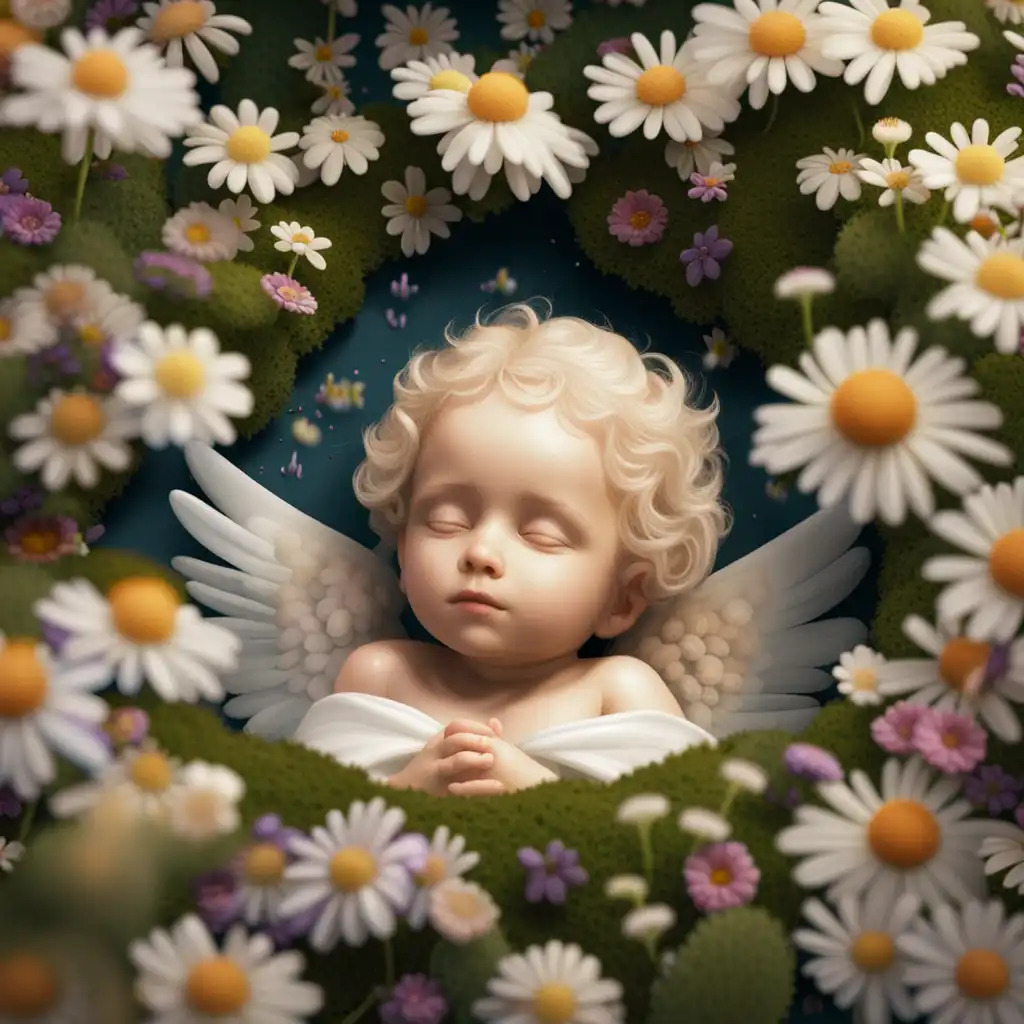
A small angel, often represented as a baby with wings
In her painting, she depicted cherubs floating around a garden.
cherub
ˈtʃerəb
Chargement…
ˈtʃerəb
A small angel, often represented as a baby with wings
In her painting, she depicted cherubs floating around a garden.
ˈtʃerəb
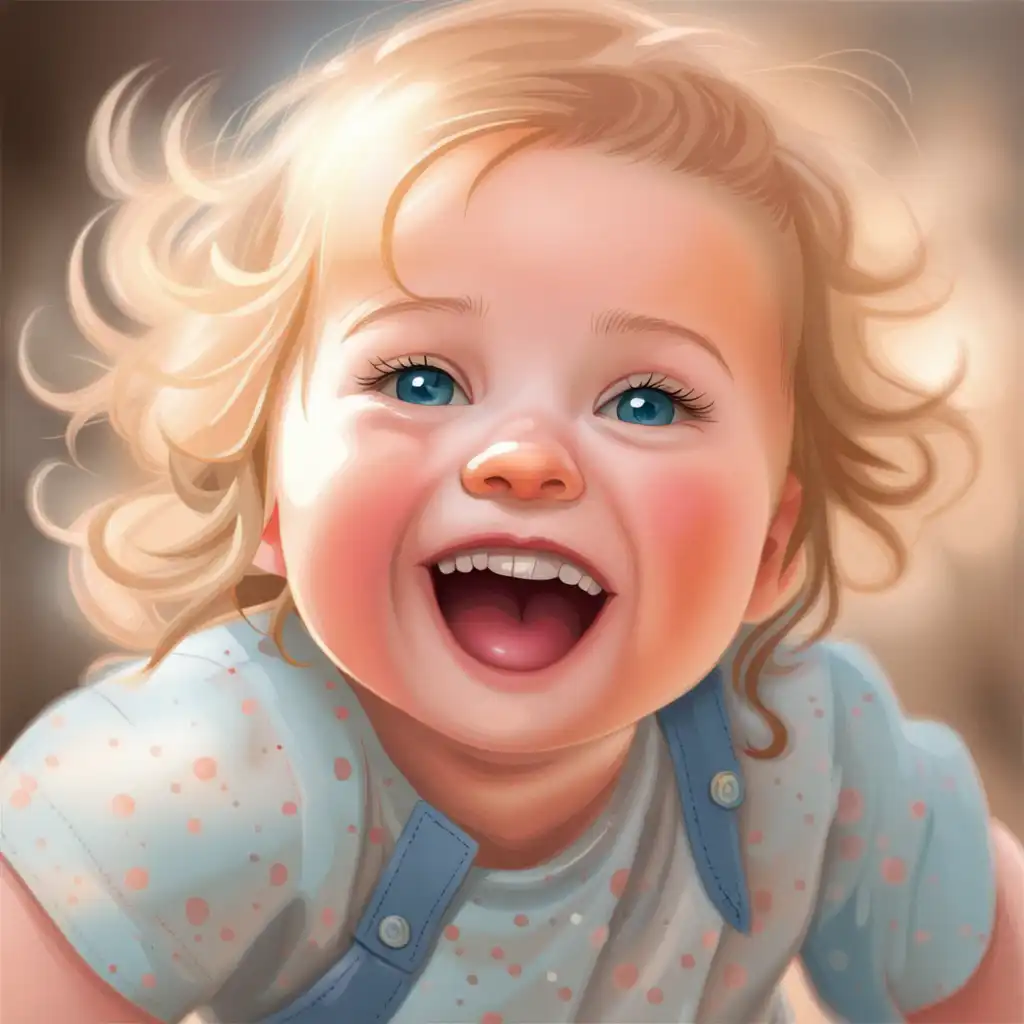
Someone, especially a child, who is thought of as being sweet, innocent, and usually pleasing to look at
Her toddler is such a cherub with those rosy cheeks and big, blue eyes.
Impossible de charger l’audio. Réessayez plus tard.
A cherub is a type of angel that is often depicted in art as a small, chubby and cute child with wings. In everyday language, the word cherub can be used to describe someone, usually a child, who is innocent-looking and incredibly sweet, like an angel. For example, you might say that a little girl with rosy cheeks and a big smile is a cherub. The word cherub is often used in literature and poetry to describe a certain kind of beauty, innocence or purity.
Angelic refers to anything related to angels, which are typically depicted as heavenly beings with wings and a divine nature.
In summary, while both words are related to angels, angelic is a broader term that can refer to anything related to angels or their characteristics, while cherub specifically refers to a type of angel that is usually depicted in a certain way.
Ouvrir le mot: Angelic →Celestial refers to things related to the heavens or the sky, such as stars, planets or angels.
Celestial is a broader term that refers to anything related to the heavens or divinity, while cherub is a specific type of angel often associated with innocence and guardianship.
Ouvrir le mot: Celestial →Divine refers to anything related to or coming from a god or deity.
It can describe something that is sacred or holy. For example, you might say a religious text is "divine."
Cherub refers to a specific type of angel and denotes innocence, while divine refers to anything godly and denotes holiness or sacredness.
Ouvrir le mot: Divine →Ethereal refers to something that is delicate, light, and otherworldly. It suggests a sense of being beyond this world or realm.
Each word is applicable in different contexts. Cherub might be used to describe a small and innocent child, while ethereal might be used to describe a delicate piece of music or a beautiful sunrise.
Cherub describes a specific type of being, while ethereal describes a quality or feeling that something may evoke.
Ouvrir le mot: Ethereal →Cherub generally refers to a type of angel often depicted as a small winged child or baby with chubby cheeks, while heaven refers to a spiritual realm or afterlife often associated with a higher power or deity.
The term cherub is typically used in contexts related to religious or mythological art or literature, while heaven is used more broadly in discussions of religion, philosophy, or spirituality.
Essentially, cherubs are a type of character, while heaven is a concept or place.
Ouvrir le mot: Heaven →It is often associated with innocence, purity, and protection. Holy refers to something that is considered sacred and pure in a spiritual or religious context.
It can refer to a person, object, or place that is believed to be blessed or divine. Both terms are applicable in religious contexts, but while cherub specifically refers to a type of angel, holy is a more general term that can describe various aspects of spirituality and religion.
Ouvrir le mot: Holy →Both cherubs and seraphs are types of angels in religious traditions, but they have some differences.
Seraphs are often depicted with six wings and flames surrounding them. They are considered to be associated with divine love and are mentioned in the Bible in the book of Isaiah.
Overall, cherubs are associated with protection and innocence, while seraphs are associated with divine love and power.
Ouvrir le mot: Seraph →Spiritual refers to a more abstract concept of one's personal beliefs and connection to a higher power or sense of purpose.
Cherub is a physical representation of an angelic figure and spiritual is an abstract concept relating to personal beliefs and connection to a higher power or sense of purpose.
Ouvrir le mot: Spiritual →Alone on the Ice: The...
Voir sur YouTube ↗You've got to make sure that you don't have an airbrushed picture making you look like a 15-year-old cherub when your lyrics suggest otherwise.
I have one secret tattoo. 'True Romance' is my favourite film of all time and in the film the two lovers get matching tattoos of a cherub holding a heart with a banner in it. They obviously get each other's name in it, but mine is empty and will stay empty.
Love is saying you're sorry. It's the opposite of those cherub posters that say, 'Love is never having to say you're sorry.' Wrong! Love is three sorrys a day. If you haven't met that quota, something's wrong.
Driving through Dresden, I still remember the many palaces, happily decorated with cherubs and other symbols of the baroque era. The city made an indelible impression on me.
I'm a collector of carvings. I love old, wooden, grotesque Gothic pieces, anything that has cherubs on it, satyrs and carved angels.
The Sheldonian Theatre in Oxford is an astonishing building, designed by Christopher Wren. Its painted ceiling has just been restored so that the darkish miasma that was Robert Streeter's original allegory of truth and light striking the university is now bright with playful cherubs and lustrous clouds.