
negation
noun negation
nɪˈɡeɪʃn
The action of denying something, saying it's not true
His negation of the accusation made everyone suspicious.
negation
nɪˈɡeɪʃn
Chargement…
nɪˈɡeɪʃn
The action of denying something, saying it's not true
His negation of the accusation made everyone suspicious.

nɪˈɡeɪʃn
In math or logic, it's an operation that transforms something to it's opposite
In Boolean algebra, the negation of TRUE is FALSE.
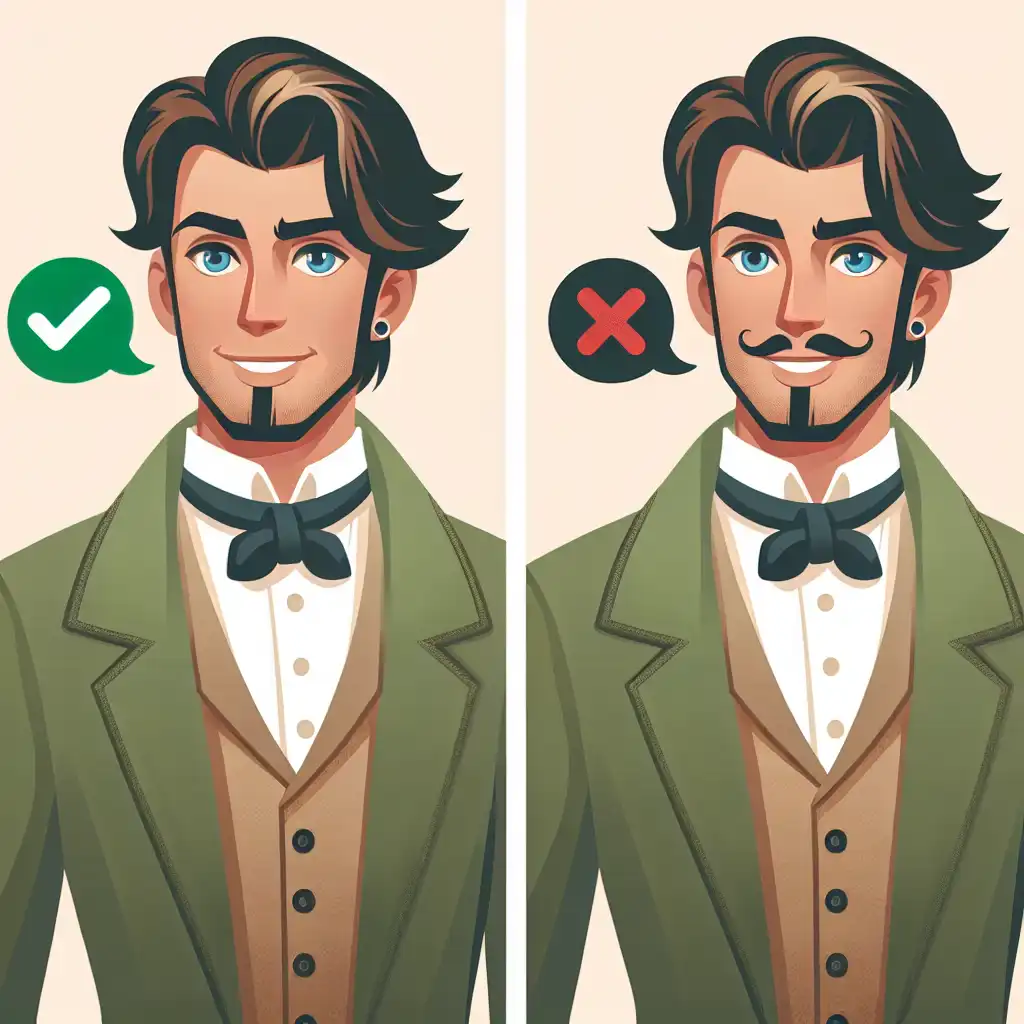
nɪˈɡeɪʃn
In linguistics, it's a grammatical construction that makes a sentence or phrase mean 'no' or 'not'
In English, the negation of 'he is' is 'he is not'.

nɪˈɡeɪʃn
In philosophy, it's the rejection or absence of something rather than presence of something
For Sartre, existence is fundamentally a negation of nothingness.
Impossible de charger l’audio. Réessayez plus tard.
Negation is a word used to express the opposite or the opposite meaning of something. It is often used in sentences to show that something is not true or to deny a statement. For example, if someone says "I like pizza," the negation of that statement would be "I do not like pizza." Negation is commonly used in conversation, writing, and even in math or science, where it is used to express negative values or opposite ideas.
Abnegation is the act of sacrificing or renouncing something in order to put others before yourself or to follow a higher moral or ethical principle.
Abnegation involves sacrificing for others while negation involves denying or contradicting something.
Ouvrir le mot: Abnegation →Annul means to cancel, invalidate or make void. This is typically used in legal or formal settings, such as annulling a marriage.
Annul is used when there is a legal or formal cancellation, while negation is used when something is denied or made untrue.
Ouvrir le mot: Annul →Contradiction refers to a situation where two statements cannot both be true at the same time. For example, if someone says "I am at school right now" and then five minutes later says "I am at home right now", these two statements contradict each other because they cannot both be true at the same time.
Contradiction refers to two statements that cannot both be true at the same time, while negation refers to the opposite of a statement.
Ouvrir le mot: Contradiction →Denial refers to the act of refusing to accept or acknowledge something as true or real. For example, if someone is confronted with evidence that they did something wrong but they refuse to admit it, they are in a state of denial.
In simpler terms, denial is about refusing to accept something that is true, while negation is about denying the validity or truth of something.
Denial is more about a person's state of mind, while negation is more about the thing being denied.
Ouvrir le mot: Denial →Disavow means to publicly declare that one has no connection or knowledge of a particular thing or action.
Disavow is used when someone wants to distance themselves from something, while negation is used when someone wants to deny something.
Ouvrir le mot: Disavow →Refusal refers to an act of rejecting or declining a request, invitation, or offer. It implies a conscious decision to avoid or decline something that one does not want.
Negation is used to deny or contradict something, while refusal is used to decline something. Negation is more applicable in contexts such as logical reasoning, mathematics, or language structure, while refusal is more applicable in social or practical situations where one is offered something.
Ouvrir le mot: Refusal →Rejection means the act of refusing or saying "no" to something that has been offered or proposed.
Negation is about denying a statement or idea, while rejection is about turning down an offer or proposal. Negation is applicable in academic and scientific contexts, while rejection is more applicable in everyday social interactions.
Ouvrir le mot: Rejection →Negation means to deny or reject something, while repudiate means to reject something completely and refuse to acknowledge it.
Repudiate is a stronger word that implies a complete rejection and refusal to accept or acknowledge something.
It can be used for a variety of situations, such as "The government repudiated the treaty that had been signed by the previous administration" or "The company repudiated its previous stance on climate change."
Repudiate can also be used in legal situations to mean that someone is denying or disavowing a legal obligation, such as "The debtor repudiated the terms of the contract and refused to pay."
Negation means denying or rejecting something, while repudiate means rejecting something completely and refusing to acknowledge it.
Ouvrir le mot: Repudiate →Music as a refuge %\PIPE%...
Voir sur YouTube ↗An 'unemployed' existence is a worse negation of life than death itself.
How transistors work -...
Voir sur YouTube ↗When hypocrisy is a character trait, it also affects one's thinking, because it consists in the negation of all the aspects of reality that one finds disagreeable, irrational or repugnant.
My Daughter Malala %\PIPE%...
Voir sur YouTube ↗An exact poetic duplication of a man is for the poet a negation of the earth, an impossibility of being, even though his greatest desire is to speak to many men, to unite with them by means of harmonious verses about the truths of the mind or of things.
A bad or mediocre meal is more than just an unpleasant taste, it is an unnecessary negation of one of life's pleasures - a wasted chance to refine our palates, learn about the world, and share a rewarding experience.
Life is best when lived your way and not as a negation of what you don't like.
Practice rather than preach. Make of your life an affirmation, defined by your ideals, not the negation of others. Dare to the level of your capability then go beyond to a higher level.
But in fact if you look at film as a metaphor, only through the negative can you have the positive print. What I'm trying to get to is the positive value of negation.
Painting is the representation of visible forms. The essence of realism is its negation of the ideal.
Modern medicine is a negation of health. It isn't organized to serve human health, but only itself, as an institution. It makes more people sick than it heals.
The rise of civic society is not a negation of politics, but marks an opportunity for the involvement of the people.