punch
noun punch
pʌntʃ
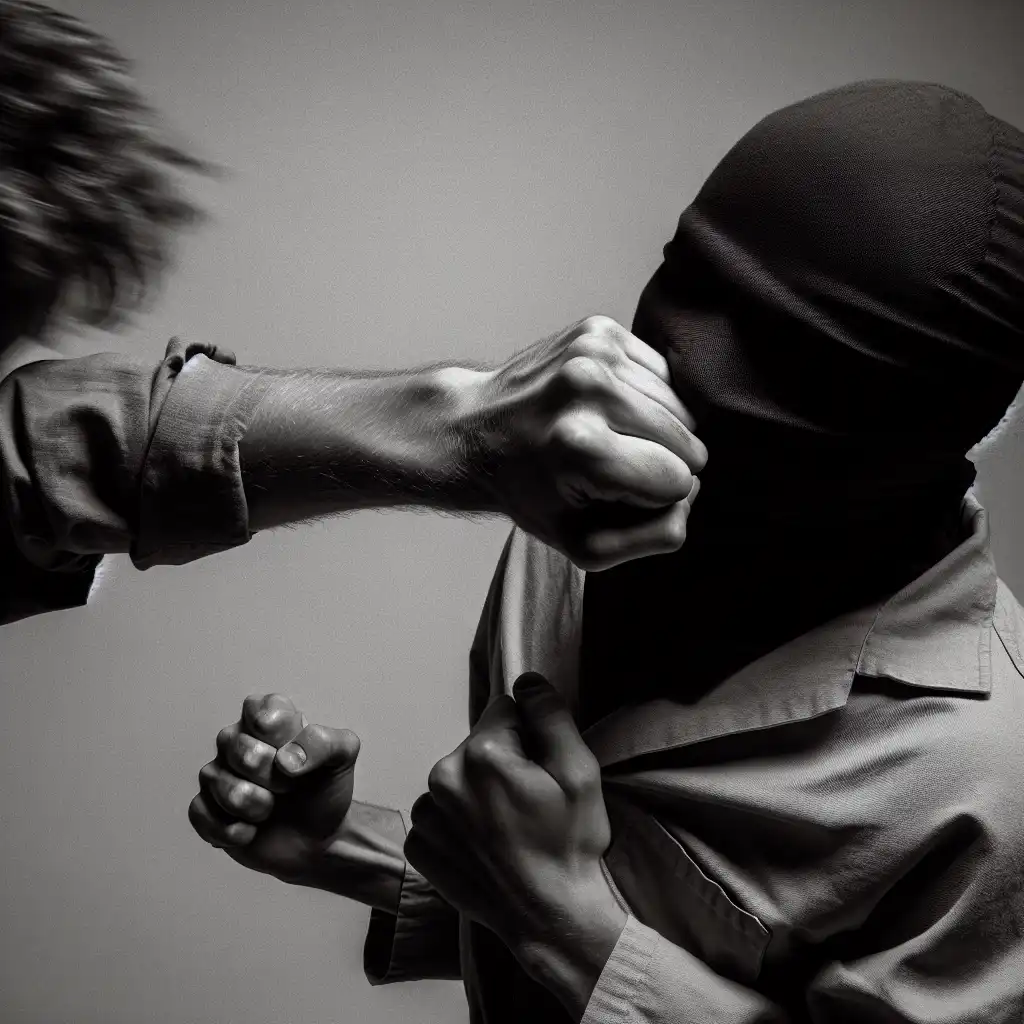
To hit hard with a closed fist
He punched his annoying classmate in the face.
punch
pʌntʃ
読み込み中…
pʌntʃ
To hit hard with a closed fist
He punched his annoying classmate in the face.
pʌntʃ
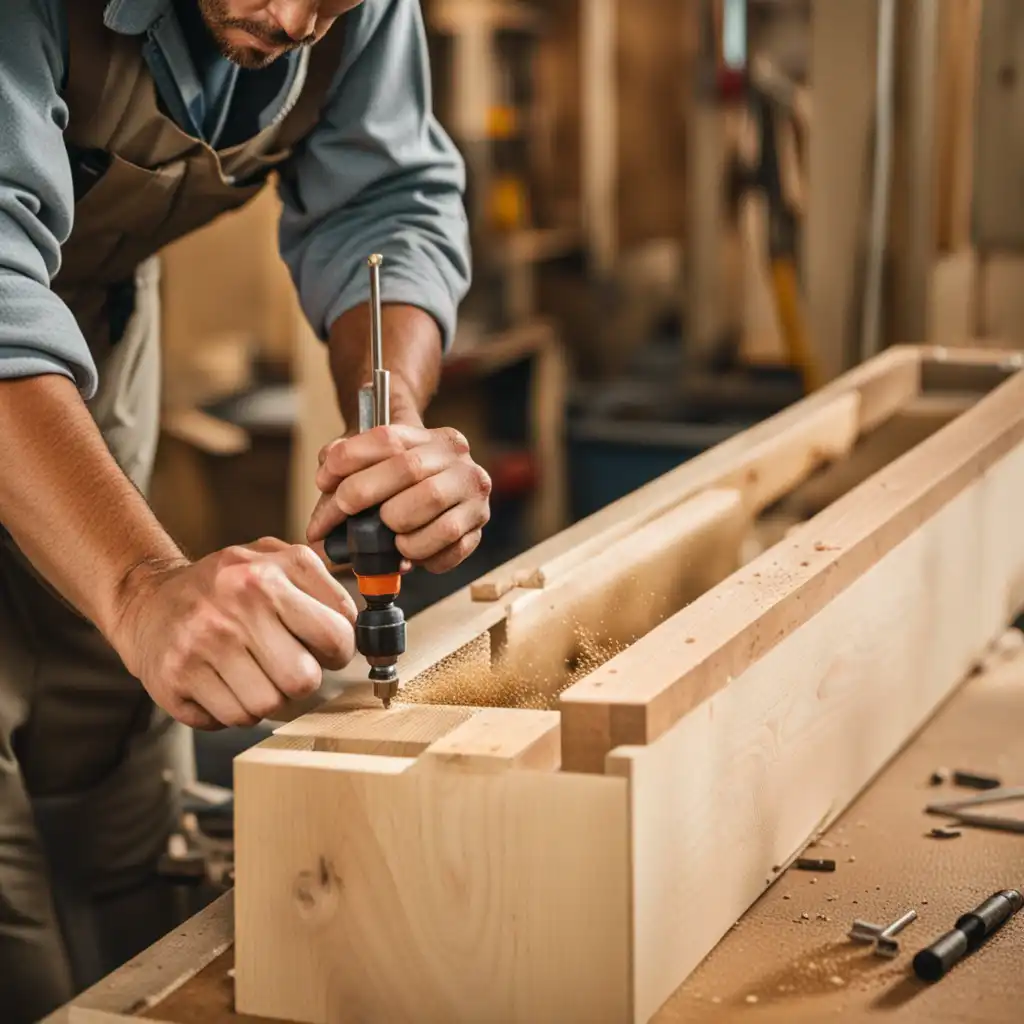
A tool for making holes or embossing
The carpenter used a punch tool to make a hole in the wood.

pʌntʃ
To force a way or make room by hitting or pushing
He punched his way through the crowd.
pʌntʃ
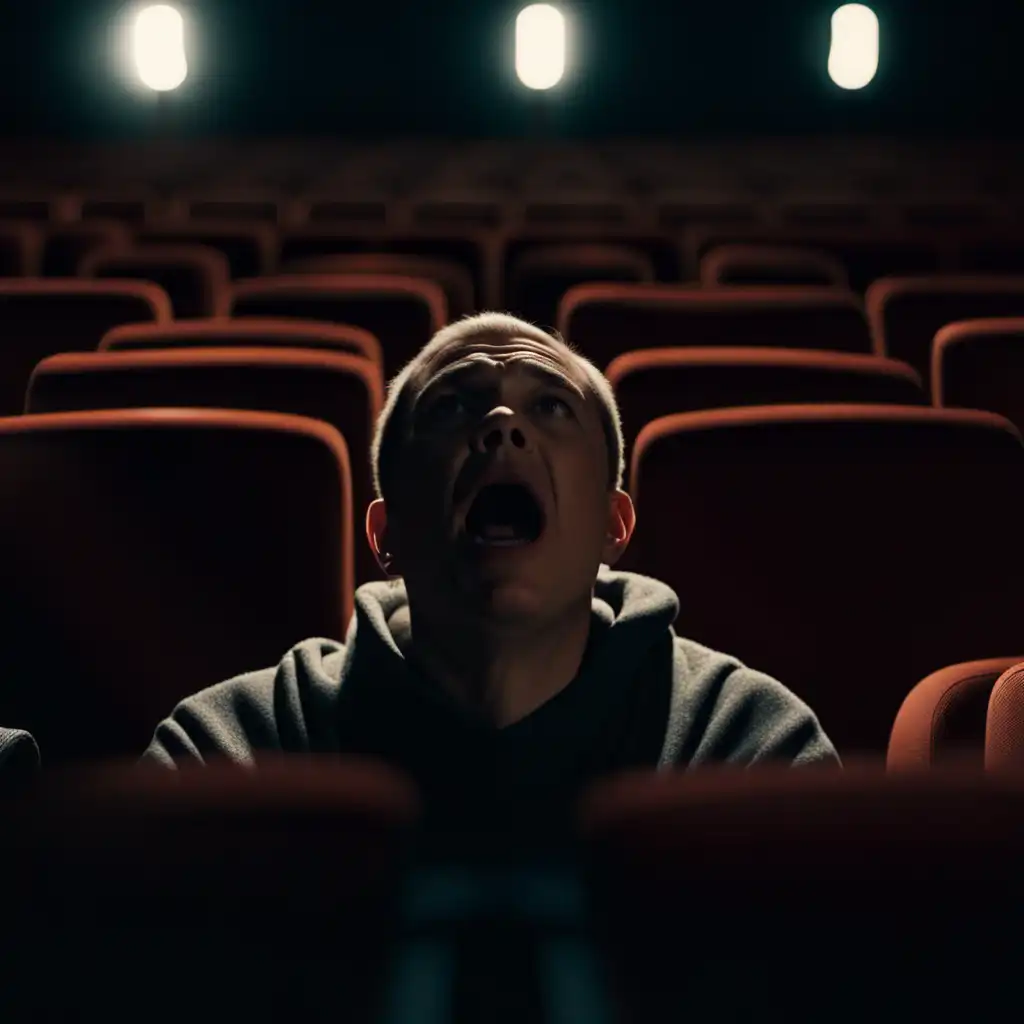
A powerful or significant effect or impression
The movie's ending really packed a punch.
pʌntʃ
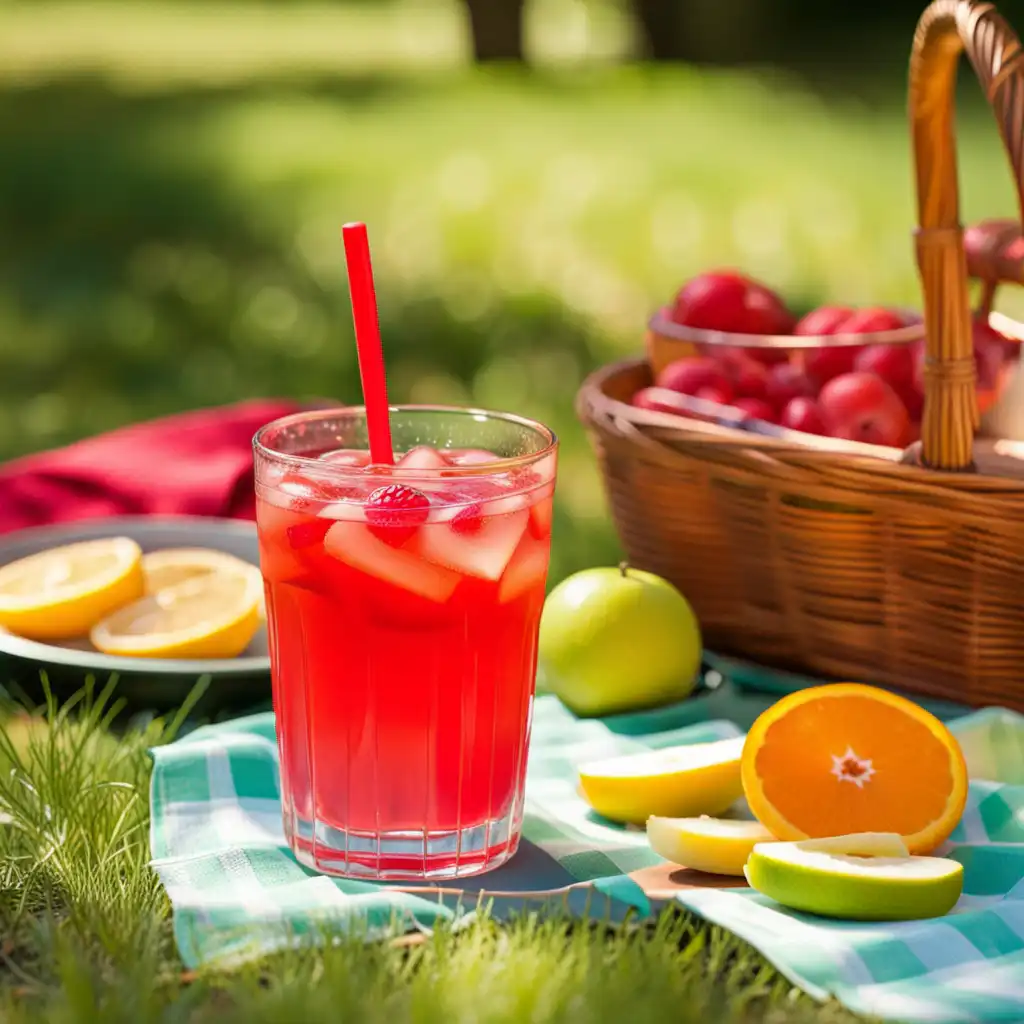
A cold drink made from fruit juices, sugar and often alcohol or soda
We had fruit punch at the picnic.
音声を読み込めませんでした。しばらくしてからもう一度お試しください。
The word "punch" can be used in different ways. It can mean to hit someone with a closed fist or to make a hole in something with a tool like a hole puncher. When talking about drinks, "punch" is a type of beverage made by mixing fruit juice, soda, and sometimes alcohol. In a figurative sense, "punch" can also mean to give something extra strength or emphasis, such as "her words packed a punch". Overall, it's important to consider the context in which the word is being used to fully understand its meaning.
Belt typically refers to a type of clothing accessory worn around the waist, like a leather belt.
It can also be used as a verb to mean to hit or strike forcefully with the hand or an object. For example, "He belted the ball out of the park.".
Belt is more commonly used to refer to an object or accessory worn around the waist, while punch is more associated with physical hitting.
単語を開く: Belt →Hit refers to making contact with something using your hand, foot, stick or any other object.
It doesn't necessarily imply a lot of force or aggression, and can be used for things like hitting a ball, hitting a button or hitting a drum.
Punch refers specifically to hitting with a closed fist, often with the intention of causing damage or pain. It connotes more aggression and force than hit, and is typically used in the context of physical confrontation or self-defense.
Hit is a more general term for making contact with something, while punch specifically refers to hitting someone or something with a closed fist.
単語を開く: Hit →Both punch and slug refer to hitting someone with force, but punch is a more commonly used term and generally implies a quick, straight, and precise hit with the fist, while slug can refer to a heavier, more powerful hit with an object or the fist.
Punch is applicable in everyday conversation and sports like boxing, while slug is less common and typically used in more violent situations.
単語を開く: Slug →Smash refers to a forceful collision that breaks or damages an object.
Punch is applicable in situations where physical force is needed to defend oneself or in a sport like boxing, while smash is applicable when referring to forcefully breaking or damaging something.
単語を開く: Smash →Sock refers to a hit made with an open hand, usually directed at any part of the body. It is a more informal term and is used in regular conversations.
Punch is used when referring to a hit with a closed fist, particularly in sports like boxing, while sock is used when referring to any hit made with an open hand.
単語を開く: Sock →Both punch and strike are verbs that describe hitting something.
A punch is a type of strike where you use your fist to hit someone or something.
Strike is a more general term that can describe hitting something with any body part or object. For example, you might strike a match to light a fire or strike a ball with a bat in baseball.
Strike is a broader term that can refer to any type of hitting motion, while punch specifically refers to hitting with a closed fist.
単語を開く: Strike →Both punch and thrash are verbs and involve hitting something, but they are used in different contexts. Punch typically refers to a quick and forceful blow made with a closed fist, typically aimed at a person's face or body.
Thrash generally means to hit fiercely and repeatedly with a stick, whip, or other instrument.
To summarize, punch applies to quick and forceful blows with a closed fist typically in a fight or self-defense scenario, while thrash applies to fierce and repeated blows or punishment with a stick or whip.
単語を開く: Thrash →Both punch and wallop refer to a hit or strike to someone or something.
However, punch is more commonly used and can refer to a quick, sharp hit with a closed fist. Wallop, on the other hand, suggests a more forceful and powerful hit, often with an open palm or something heavier like a bat.
Punch is used in casual conversation or in a formal setting, while wallop carries a stronger connotation and is often used in informal or playful situations.
単語を開く: Wallop →Perhaps one day, a glimmer of light may punch a hole in your most basic assumptions. Will you break free to struggle towards the light, even if it costs you your friends and family, or stick with comfortable and familiar illusions? Truth or habit? Light or shadow?
YouTube で見る ↗Mother always said that even when I was 3, I used to get the 6- and 7-year-old kids on the block and punch them and say, 'Listen to me.
And I think that's so true about business as well. So much about a team's execution is its ability to adapt to getting punched in the face by the customer. The customer is the true reality. And that's why I came to think that the team maybe was the most important thing. Then I started looking at the business model.
YouTube で見る ↗Boxing is serious. It's not a game. Just one punch - change life.
now real words might seem like good ideas but in a world of 300 million companies it's getting harder to find a name it's hard to find any real words left in a dictionary composite names like facebook and ray-ban are created by gluing two words together these names have a kind of one-two punch and can be really
YouTube で見る ↗I want to punch everything and fight the world.
will overwhelm that sense of the shark, so that as the shark gets too close, it's kind of nearly receiving a punch in the face. And the shark just basically deterred. There's a lot riding on this test. Most shark deterrents are designed to protect just one person.
YouTube で見る ↗I've never scratched, or punched, or slapped anybody in my real life.
fortunately key punches do have friends and a project is now underway to safeguard a part of their forest home and involve local people in their protection
YouTube で見る ↗I'm not afraid to stand toe-to-toe and throw punches.
what's really being said? "Your life would be better if you could work a little less, didn't have to work so hard got home a little earlier, could retire a little faster punch out a little sooner." It's all in there over and over again and again. Washington? I can't even begin to talk about the deals and policies in place
YouTube で見る ↗I don't want to get punched all my life.
And that is what I did. I wrote a comedy show that did not respect the punchline, that line where comedians are expected and trusted to pull their punches and turn them into tickles. I did not stop. I punched through that line into the metaphorical guts of my audience.
YouTube で見る ↗I'm not afraid to take a punch.
Beware though. While all sarcasm fits the definition of verbal irony, not all verbal irony is sarcastic. Verbal irony is where what is meant is the opposite of what is said, while sarcasm adds that little punch of attitude. There are times though,
YouTube で見る ↗You throw your best punch, otherwise don't do it.
and it's punch cards. Google-branded punch cards. And on these punch cards there are a bunch of holes, and I said thank you thank you, okay so what's on here? So I get some software and start reading it, and scan them and it turns out it's a puzzle.
YouTube で見る ↗I have a master plan as an artist. I've always said I'm not going to be punching nobody's clock. I will work as an artist to survive in this world.
rabbits sidearm just like a martial arts punch is that spinning action of this stick that when it hits it creates all that force you want to do throwing stick with us
YouTube で見る ↗My game matches with Velasquez's. I won't be afraid to kick or punch him to avoid the takedowns because the ground game is my best weapon.