floridly
adverb floridly
ˈflɔːrɪdli
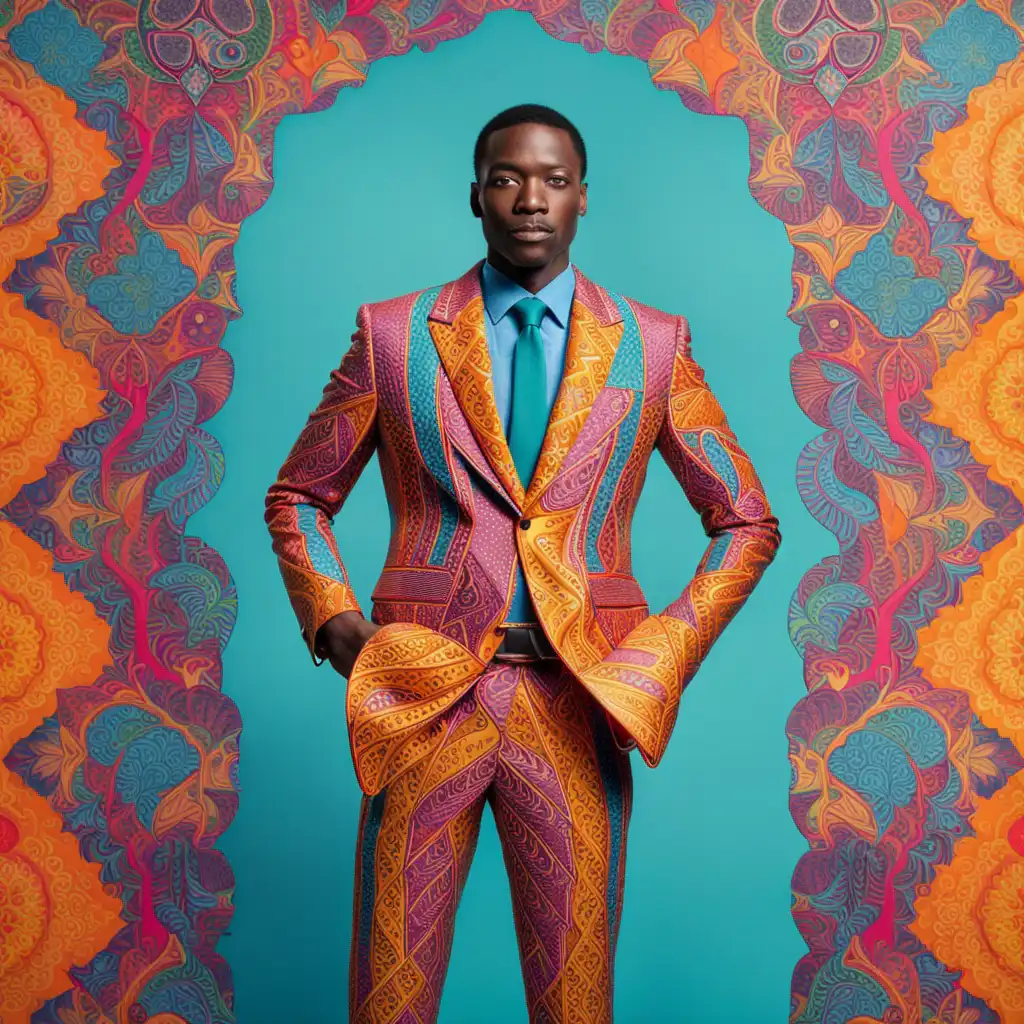
In a fancy or intricate way
The man was floridly dressed in a brightly colored suit.
floridly
ˈflɔːrɪdli
लोड हो रहा है…
ˈflɔːrɪdli
In a fancy or intricate way
The man was floridly dressed in a brightly colored suit.

ˈflɔːrɪdli
Blushing in a bright or healthy color
Her cheeks were floridly colored from the harsh cold weather.

ˈflɔːrɪdli
In a way that is too showy or gaudy
He speaks floridly, using ornate language and excessive hand gestures.
ऑडियो लोड नहीं हो सका। कृपया बाद में फिर कोशिश करें।
The word 'floridly' is used to describe a way of speaking or writing that is excessively ornate, fancy, or flowery. It is often used to describe language that is unnecessarily complicated or overly dramatic, and can give the impression of being insincere or trying too hard to impress. For example, a person might say that someone is speaking 'floridly' if they are using lots of long, fancy words and elaborate descriptions when a simpler, more direct statement would be more effective. As an English learner, it's important to be aware of different ways of expressing yourself, and to choose language that is appropriate to the situation and audience.
Excessive means something that is more than what is reasonable or necessary.
It can apply to things like spending money, eating food, or using force. For example, "Her spending on clothes was excessive and left her with no savings.".
Floridly means elaborately or excessively intricate or complex.
In simple terms, both words imply going beyond what is necessary, but excessive is used for things that are too much in quantity or force, while floridly is used for things that are too elaborate or ornate in design or style.
शब्द खोलें: Excessive →Extravagant means something that is excessive, over-the-top, or luxurious.
It is often used to describe spending money or doing something that is beyond what is necessary or reasonable. For example, buying a diamond-encrusted watch when a simple one would suffice is extravagant.
Each word can be applied differently depending on the context. Extravagant usually describes actions or things, while floridly usually describes language or writing.
शब्द खोलें: Extravagant →Both floridly and flowery are adverbs that describe language that is excessively ornate or embellished.
However, floridly typically carries a negative connotation, implying that the language is overly elaborate and unnecessarily complicated, while flowery can be used in a positive or negative sense, depending on the context.
Flowery language is often used to describe writing that is rich in imagery and figurative language, but can also be criticized for being overly verbose or pretentious.
Flowery is a more versatile term that can describe both beautiful and overly ornate language, while floridly is generally reserved for language that is deemed unnecessarily showy or extravagant.
शब्द खोलें: Flowery →Grand means something that is impressive, magnificent, or large in scale.
So, while floridly describes a particular style of expression or writing that is characterized by excessive or flowery language, grand describes something that is impressive or magnificent in its own right, regardless of how it is expressed or described.
शब्द खोलें: Grand →Floridly and lavish both indicate abundance, but they are used differently.
Floridly describes something that is excessively ornate or flowery in language, while lavish refers to something that is generous or extravagant in material possessions or resources.
For example, a floridly written essay might be filled with long, complicated sentences and obscure vocabulary, whereas a lavish party might have plenty of food, drinks, and decorations.
Floridly describes language that is overly embellished, while lavish describes a situation where resources are abundant beyond necessity or expectation.
शब्द खोलें: Lavish →Floridly and ornate both mean overly decorated or embellished, but there is a subtle difference between them.
Floridly implies a style that is excessively flowery or ornate, with an abundance of intricate details and elaborate patterns that may be overwhelming or distracting.
Ornate simply means highly decorated or embellished, often with intricate details, but not necessarily to the point of excess.
Floridly suggests excessiveness in adornment while ornate refers to an object that is highly decorated.
शब्द खोलें: Ornate →Ostentatious means showy or pretentious, usually used to describe something that is intended to attract attention or impress others, often in a vulgar or tasteless way.
Floridly describes something that is overly complicated or flowery in style, while ostentatious describes something that is overly flashy and showy in an attempt to impress others.
शब्द खोलें: Ostentatious →The words floridly and showily both refer to something that is done in an excessively ornate or decorative way, but they differ in their connotations.
Showily suggests a style that is flashy, attention-grabbing, or ostentatious, often with the intention of impressing or dazzling others.
This word is often used in contexts relating to fashion or behavior, such as "She arrived at the party in a showily sequined dress."
Floridly is applicable when describing an excessive use of language, whereas showily is applicable when describing attention-grabbing behavior or attire.
शब्द खोलें: Showily →A tale of mental illness...
YouTube पर देखें ↗It's scary to me to watch the world around us get less and less physical while in the imaginary world of pop culture, aggressive impulses and fear reactions are floridly, furiously stoked and indulged.
We loved the language in Cormac McCarthy's 'No Country,' which is really about the region, while in 'True Grit' it's more about period: people did speak more formally and floridly.