rickety
adjective rickety
ˈrɪkəti
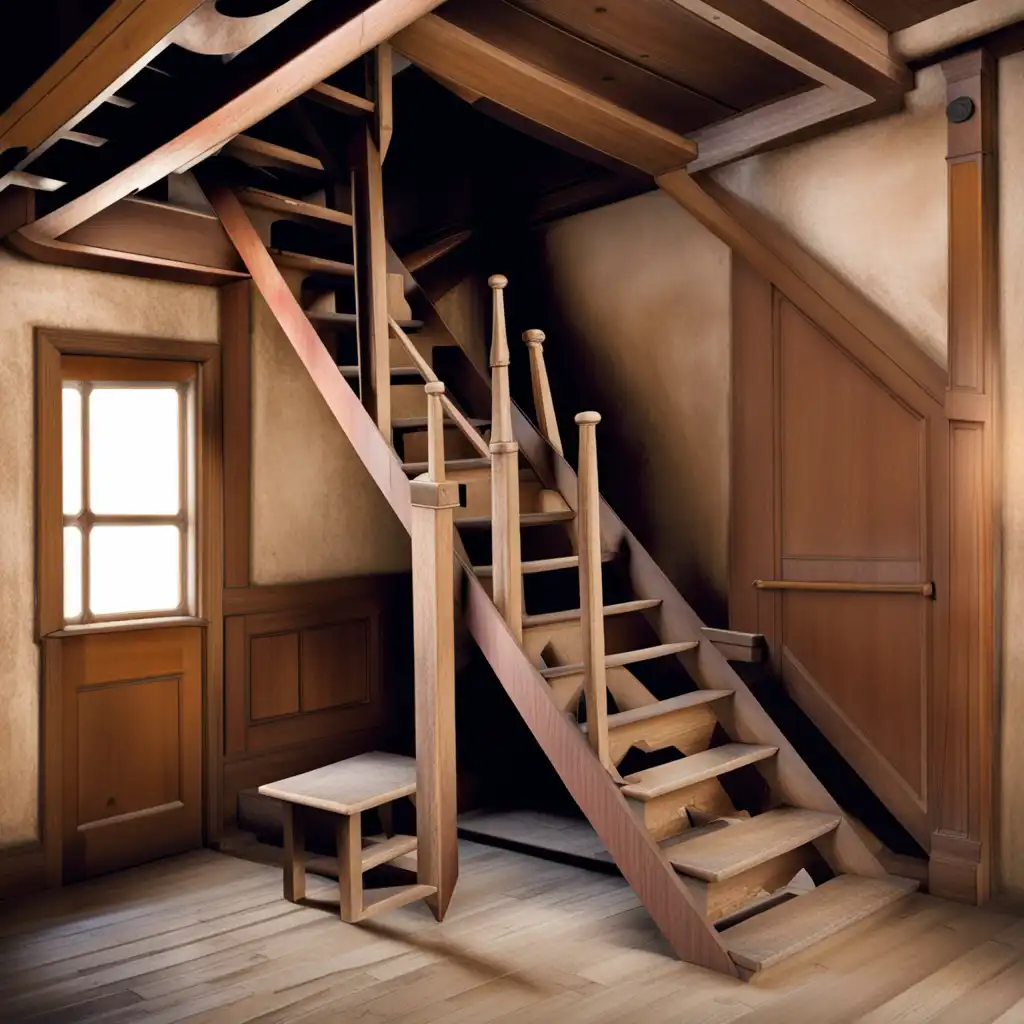
Not strong or stable, and likely to break.
Be careful climbing up to the attic, the stairs are quite rickety.
rickety
ˈrɪkəti
Loading…
ˈrɪkəti
Not strong or stable, and likely to break.
Be careful climbing up to the attic, the stairs are quite rickety.
ˈrɪkəti
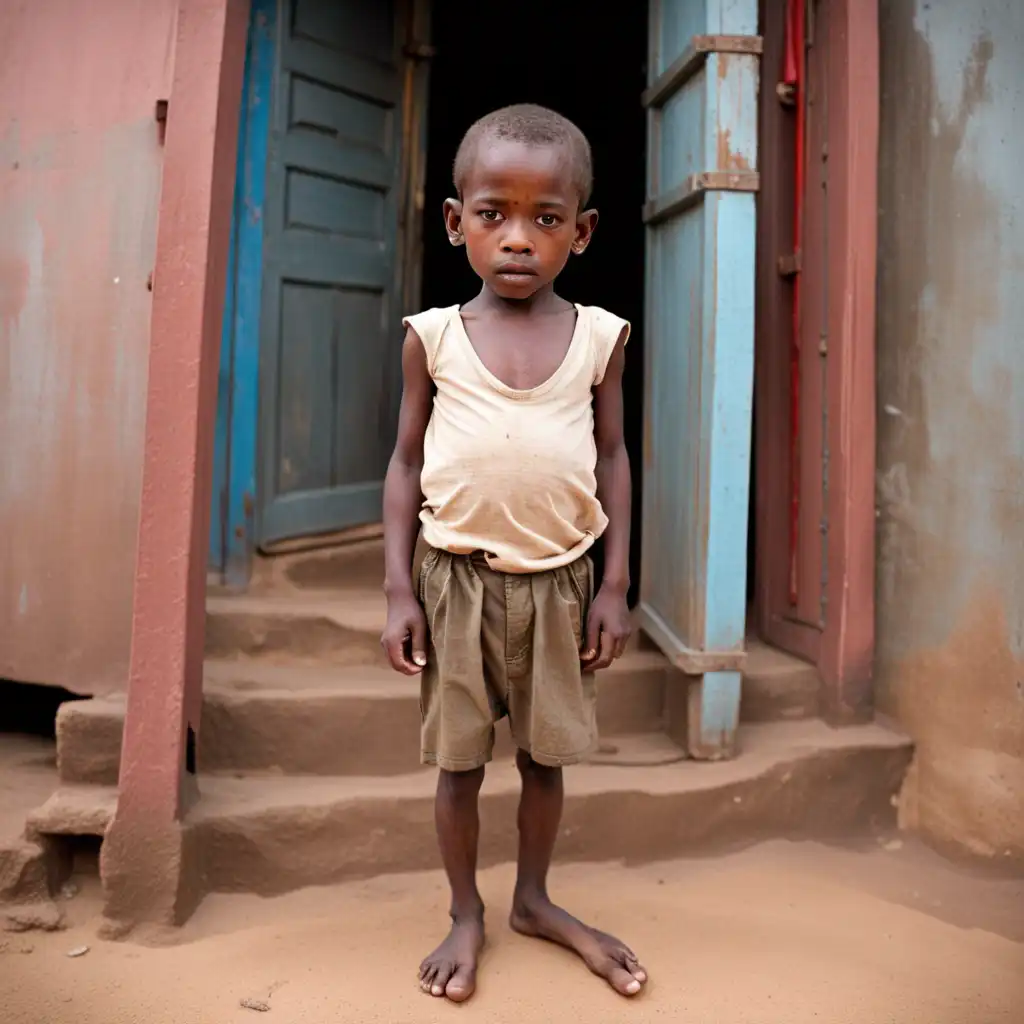
Suffering from rickets, a disease that makes bones soft and weak.
Some children in poverty-stricken regions can end up with rickety legs due to malnutrition.
Audio could not be loaded. Please try again later.
The word 'rickety' is used to describe something that is weak or likely to break or collapse. It is often used to describe old or poorly made things that shake or wobble when you use them. For example, if a chair is old and has a lot of cracks, you might say it is rickety because it could break if you sit on it. You could also use 'rickety' to describe a building or a bridge that is old and unstable. Basically, 'rickety' means something that is not sturdy or strong and could fall apart easily.
Both dilapidated and rickety mean that something is old and falling apart.
Dilapidated is generally used to describe buildings or structures that are in a state of disrepair because of age or neglect.
Dilapidated describes the condition of something that is old and falling apart, while rickety describes something that is unsteady or unstable.
Open word: Dilapidated →Flimsy means that something is weak or not sturdy.
Flimsy describes the quality of being weak, while rickety often describes the quality of being unstable or wobbly.
Open word: Flimsy →Rattle usually refers to a sound that objects make when they shake or vibrate. For example, if you shake a container filled with rocks, it will make a rattling sound.
So, while both words have to do with movement and noise, rattle is mainly about sound and rickety is mainly about stability.
Open word: Rattle →Rundown describes something that is old and in poor condition, often referring to a house or neighborhood. It means that something has not been properly maintained and is now worn out or dilapidated.
For example, if a house has peeling paint, broken windows, and overgrown weeds in the yard, it is rundown.
Rickety refers to something that is unstable, while rundown refers to something that is old and in poor condition.
Open word: Rundown →It implies that something is not just shaky or unstable, but also that it is in a state of disrepair.
Shaky describes something that is unsteady or unstable. It might shake or tremble, but it's not necessarily old or weakened.
For example, a shaky hand could be the result of nervousness or illness, but it's not necessarily an indication that the person is old or frail.
Rickety implies a more serious level of instability or risk of collapse, whereas shaky generally describes something that is less severe and could potentially be easily remedied.
Open word: Shaky →Rickety refers to something that is shaky or unstable, while the word stable refers to something that is steady and firm.
For example, a chair with loose legs could be considered rickety because it's likely to wobble or fall over. A well-built table with strong legs and a sturdy surface is considered stable because it can hold weight without moving or tipping over.
The word rickety describes something that is flimsy or worn out, while stable describes something that is solid and reliable.
Open word: Stable →Weak on the other hand, describes something that lacks strength or energy. For example, a person who is feeling weak might lack the energy to walk or do other physical activities.
While both words refer to things that are not strong, rickety is more specific to things that are structurally unsound or poorly constructed, while weak refers more generally to anything that lacks strength or energy.
Open word: Weak →Rickety describes something that is unsteady or shaky because it is old or poorly made. For example, a rickety old chair might wobble when you sit on it because it is not very sturdy.
Wobble describes something that is unsteady or shaky because it is not balanced or stable. For example, a bicycle might wobble if it is not moving at a steady speed or if the rider is not balanced properly.
So, while both words describe something that is unsteady or shaky, rickety usually describes something that is old or poorly made, while wobble describes something that is not balanced or stable.
Open word: Wobble →Aja Monet and phillip...
Watch on YouTube ↗I find it always pleasurable talking with young people, particularly those aspiring to be writers, out of nostalgia, and because I've always felt that we oldies can learn so much from them and draw from them inspiration in our flagging and rickety years.
Can VR help create...
Watch on YouTube ↗My golf is so delicate, so tenuously wired together with silent inward prayers, exhortations and unstable visualizations, that the sheer pressure of an additional pair of eyes crumbles the whole rickety structure into rubble.
The myth of Zeus' test -...
Watch on YouTube ↗Being popular with an audience is a very rickety ladder to be on.
Alison Wright: Portraits...
Watch on YouTube ↗After 50, the rock 'n' roll road is a little absurd. It's very difficult to play these little places. You're out there on a rickety old bus with no place to shower.
How will we survive when...
Watch on YouTube ↗Saturdays are set for antique shops. Williamsburg in Brooklyn has some good ones. I get in there and start meddling around with dusty boxes and rickety, worn-in stuff. I like it when I find something with someone else's name on it.
John Hunter: Teaching...
Watch on YouTube ↗As part of the England women's cricket team, we had our own rickety period at the end of 2005 through to the beginning of 2007. Learning from our mistakes, by 2009 we were the best team in the world.
Michael Pollan: A...
Watch on YouTube ↗What it takes to make...
Watch on YouTube ↗A plant's-eye view -...
Watch on YouTube ↗How India could pull off...
Watch on YouTube ↗