cadaverous
adjective cadaverous
kəˈdævərəs
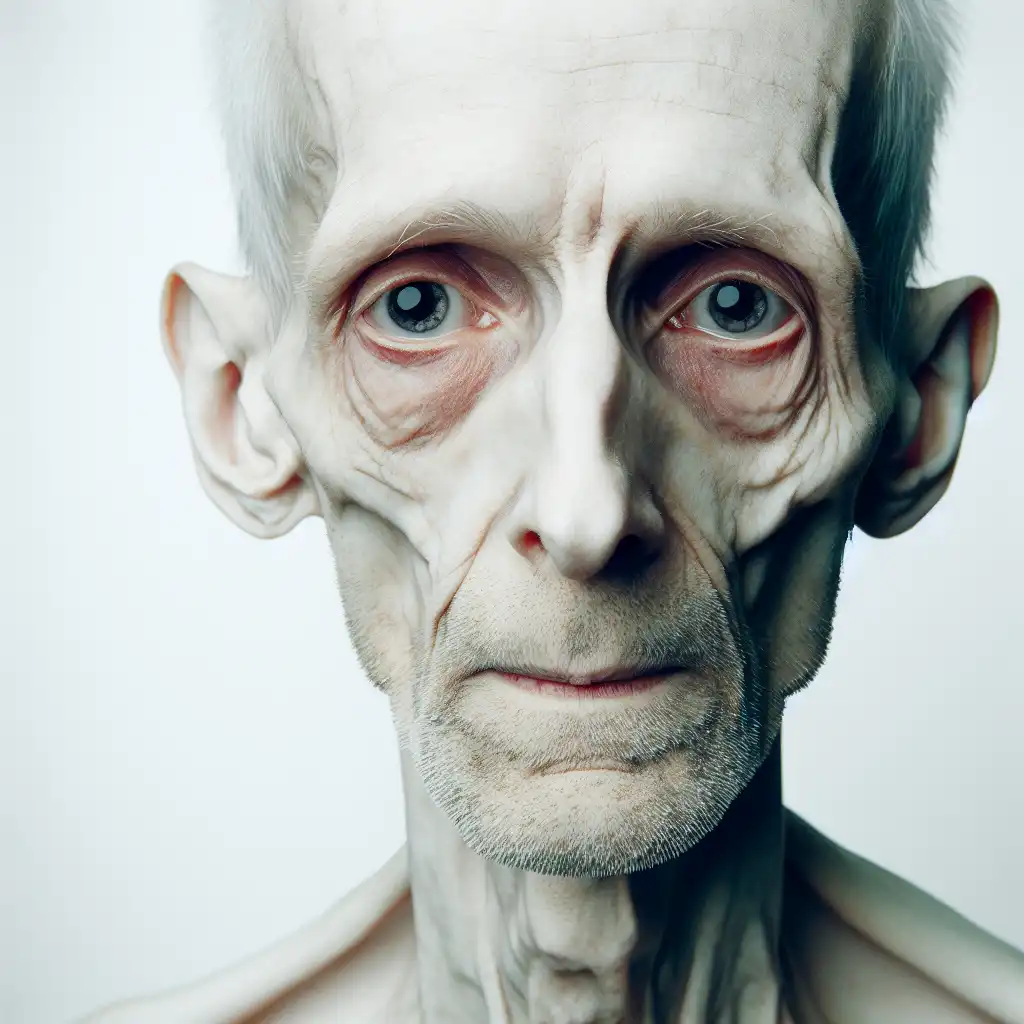
Looking very thin and pale, like a dead body
After his long illness, he had a cadaverous look.
cadaverous
kəˈdævərəs
読み込み中…
kəˈdævərəs
Looking very thin and pale, like a dead body
After his long illness, he had a cadaverous look.
kəˈdævərəs
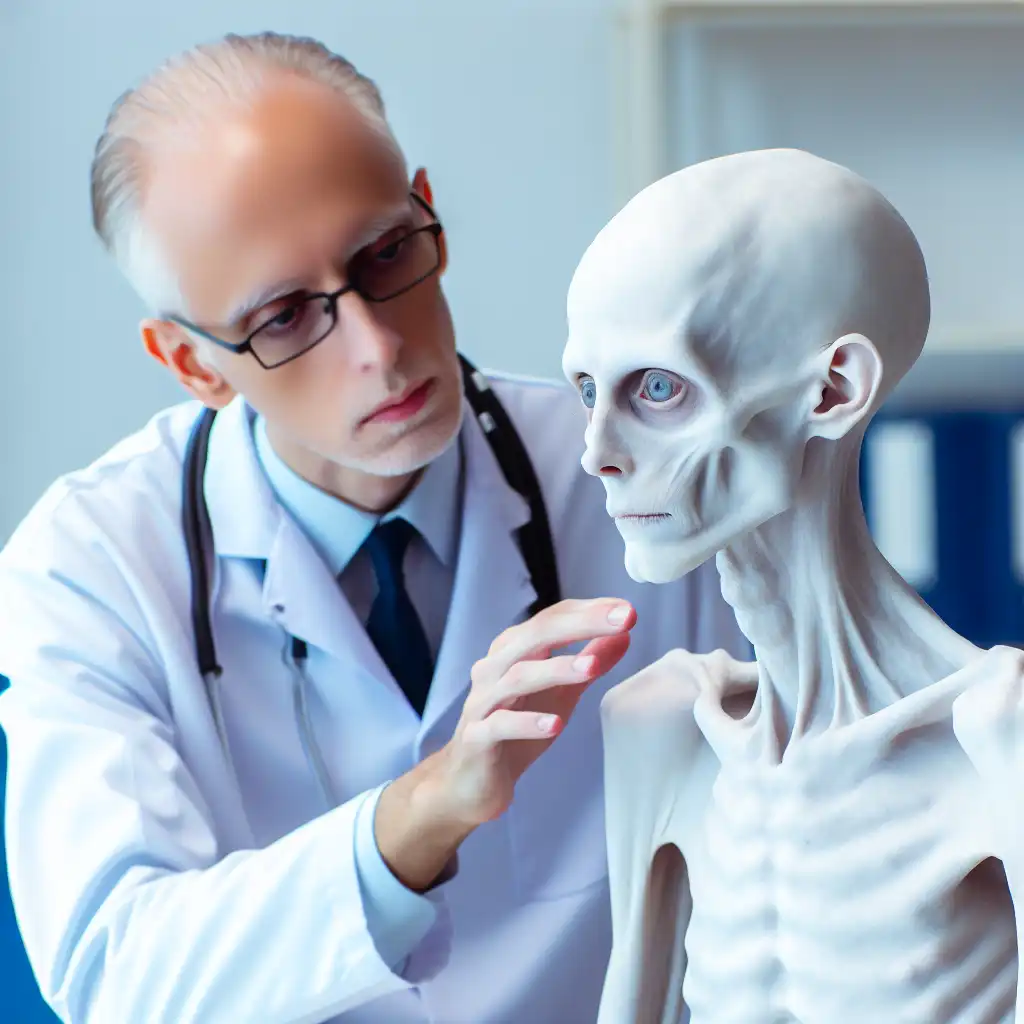
Related to death or a corpse
The doctor noted his cadaverous pallor.
音声を読み込めませんでした。しばらくしてからもう一度お試しください。
The word "cadaverous" is used to describe someone who looks extremely thin or ill, as though they might be close to dying. It's often used to describe someone's appearance or complexion, particularly when they've lost a lot of weight or seem very unhealthy. For example, you might say "he looked cadaverous after weeks of not eating properly." It's not a particularly common word, but it can be useful when you want to describe someone's appearance in a very specific way.
Both bony and cadaverous describe someone or something that appears thin or emaciated.
However, bony specifically refers to someone who appears to have protruding bones due to being very thin, while cadaverous refers to someone who looks like a corpse or is very pale and sickly.
Bony is generally used to describe someone who is thin, but may not necessarily be unhealthy, while cadaverous describes someone who looks sickly, frail, and almost lifeless.
単語を開く: Bony →Both cadaverous and emaciated describe a person who looks thin and gaunt.
Emaciated refers to someone who is extremely thin due to a lack of food, illness, or extreme exercise.
Cadaverous is applicable when someone looks like they could be a corpse, while emaciated is applicable when someone appears thin but not necessarily as if they are dead.
単語を開く: Emaciated →Gaunt refers to an appearance that is thin or bony, but not necessarily associated with death or illness.
Both words can describe someone's appearance, but cadaverous is more extreme and typically implies a very unhealthy or emaciated look, while gaunt is more neutral and can simply refer to someone who is very thin or skinny.
単語を開く: Gaunt →Ghost on the other hand refers to the spirit or soul of a dead person that can haunt or appear to the living. It is a supernatural concept and cannot be used to describe a person's physical appearance.
Cadaverous describes physical appearance while ghost describes a supernatural entity.
単語を開く: Ghost →Haggard refers to someone who looks tired, exhausted, and worn out. It's often used to describe someone who has been working hard for a long time, or someone who has been through a lot of stress and emotional strain.
単語を開く: Haggard →Pallid means that someone looks pale or weak, but it doesn't necessarily imply that they look like a dead body.
However, cadaverous is more extreme and implies that someone looks like they are close to death, whereas pallid is milder and could just indicate that someone looks tired or sick.
単語を開く: Pallid →Skeletal refers to the structure of the human body, particularly the bones.
This word can also be applied to non-living things, such as a skeletal framework or structure.
Cadaverous describes a person's appearance or behavior that suggests sickness and possible death, while skeletal is more of a descriptive term related to the structure of the body or objects.
単語を開く: Skeletal →Waste refers to something that is unused, unwanted, or discarded.
Cadaverous is applicable to describing physical characteristics while waste is applicable to describing objects or actions.
単語を開く: Waste →