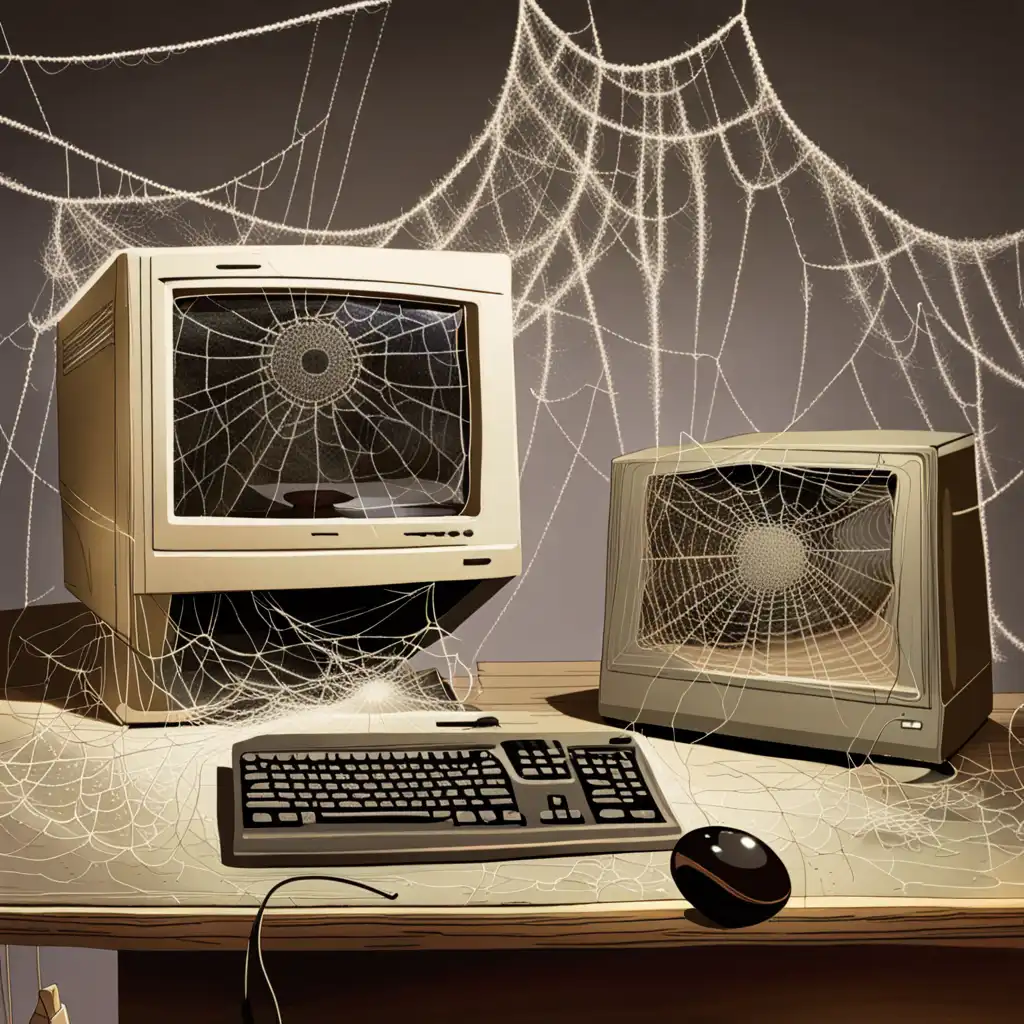
obsolescence
noun obsolescence
ˌɑːbsəˈlesns
The process of becoming old, unused, or out of date
The rapid obsolescence of computer hardware means you have to upgrade your equipment regularly.
obsolescence
ˌɑːbsəˈlesns
लोड हो रहा है…
ˌɑːbsəˈlesns
The process of becoming old, unused, or out of date
The rapid obsolescence of computer hardware means you have to upgrade your equipment regularly.
ˌɑːbsəˈlesns
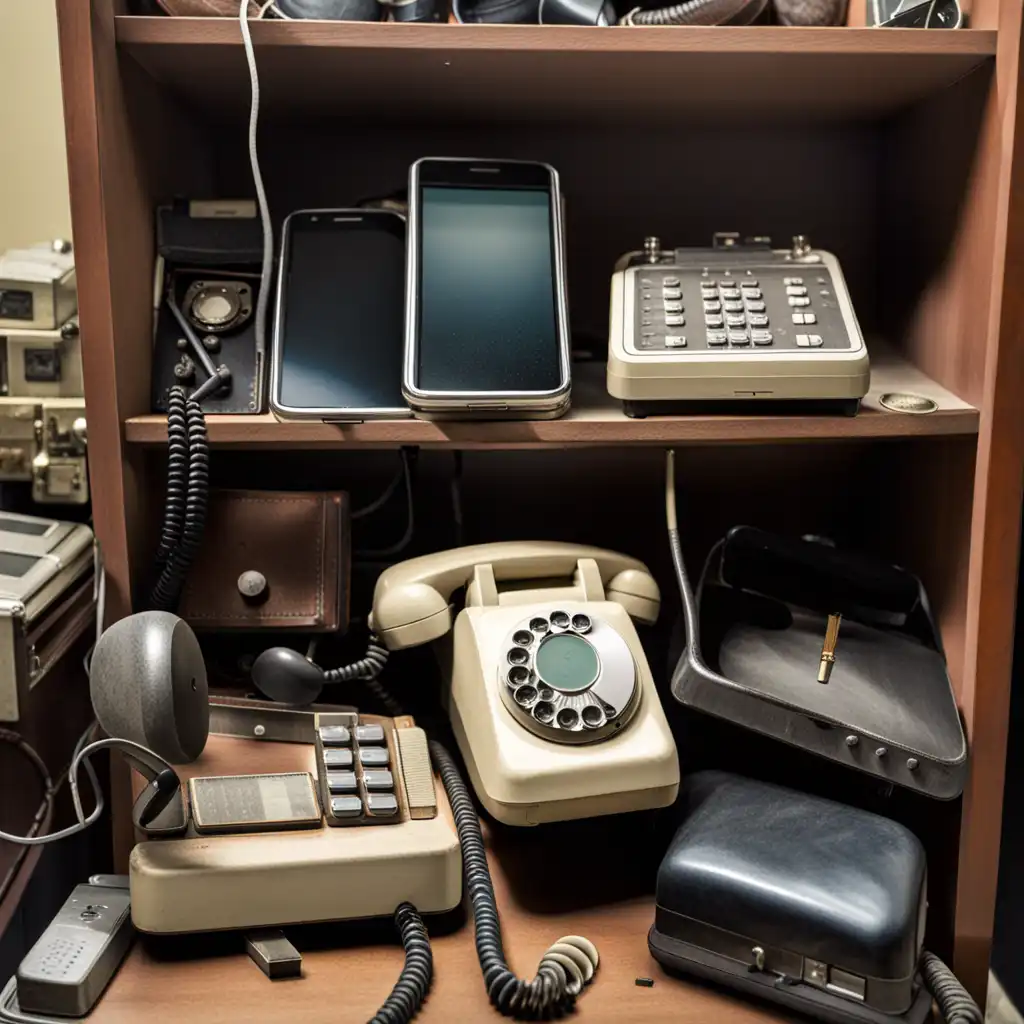
The state of being which occurs when a person or object is no longer wanted even though it may still be in good working order
We live in an age of rapid technological obsolescence.
ऑडियो लोड नहीं हो सका। कृपया बाद में फिर कोशिश करें।
Obsolescence refers to the state of being outdated or no longer useful. It can be used to describe technology, products or even ideas that have become obsolete due to new innovations or changes in society. For example, a computer that was purchased several years ago may no longer be as effective as newer models, and is therefore considered to be obsolete. Similarly, certain industries or professions may become obsolete due to changes in the economy and job market. Essentially, the term obsolescence suggests that something has become outdated and is no longer relevant or useful in the current context.
Disuse refers to something that is no longer being used or has stopped being used. It suggests a voluntary or unintentional cessation of use due to lack of need or relevance.
An example of disuse can be a tool that is no longer needed due to a change in circumstances.
Disuse refers to a state of something being unused, while obsolescence refers to a state of obsoleteness or uselessness due to advancements or changes in technology or society.
Disuse is applicable when something is no longer being used along with any evident reason while obsolescence is applicable when something is no longer useful or necessary due to advancements or changes in technology.
शब्द खोलें: Disuse →Extinction means that a species, organism, or thing no longer exists and cannot be found anywhere. This term is generally used to describe biological entities that have completely disappeared from the earth due to natural or man-made causes.
So, in simple terms, extinction means something is completely gone and cannot be found, while obsolescence means something is no longer useful or relevant in the current context.
Extinction is typically used in biological contexts, while obsolescence is generally used in technological or cultural contexts.
शब्द खोलें: Extinction →Fossilization refers to the preservation or petrification of something, often used in reference to the remains of ancient animals or plants.
In simpler terms, fossilization is about things that are preserved from the past, while obsolescence is about things that become outdated in the present.
शब्द खोलें: Fossilization →Redundancy refers to when something is no longer needed or useful. This can be due to a variety of reasons, such as changes in the workplace or improvements in technology.
Obsolescence is when something becomes outdated due to new advancements, while redundancy is when something is no longer needed or useful.
शब्द खोलें: Redundancy →Superannuation refers to a retirement fund or pension plan that is set up for an employee. It is a way to save for retirement and ensure financial stability in old age.
Obsolescence is about things becoming outdated or unusable, while superannuation is about planning for retirement.
शब्द खोलें: Superannuation →Marcin Jakubowski:...
YouTube पर देखें ↗We live in a disposable, 'cast-off and throw-away' society that has largely lost any real sense of permanence. Ours is a world of expiration dates, limited shelf life, and planned obsolescence. Nothing is absolute.
Making high quality...
YouTube पर देखें ↗It had to happen to me sometime: sooner or later, I would have to lose sight of the cutting edge. That moment every technical person fears - the fall into knowledge exhaustion, obsolescence, techno-fuddy-duddyism - there was no reason to think I could escape it forever.
Instead, most colleges are studies in obsolescence.
Britain today is suffering from galloping obsolescence.
Obsolescence never meant the end of anything, it's just the beginning.
Publishers, naturally, loathe used books and have developed strategies to depress the secondhand market. They bring out new, even more expensive editions of popular textbooks every three to four years, in a classic cycle of planned obsolescence.
It drives me crazy to throw something out. I find planned obsolescence revolting.
Planned obsolescence is not really a new concept. God used it with people.
People always worry that buying tech products today carries a risk of obsolescence. Most of the time, that fear is overblown.
I personally am not so obsessed about immortality for myself. The human body has been designed that way, obsolescence is OK.